As an Amazon Associate, we earn from qualifying purchases. Some links on this site are affiliate links at no extra cost to you. Our recommendations are based on thorough research and editorial judgment.

LED Longevity: Heat Management, Drivers, and Warranty Basics

Effective heat management is vital for LED longevity. High temperatures can cause lumen degradation, flickering, and premature failures. To enhance performance, use quality aluminum heat sinks and thermal interface materials. Selecting high-quality LED drivers is essential, as they regulate power and often include thermal protection. Additionally, understanding warranty terms can protect investments, with options ranging from three to ten years. For best results, one must adopt best practices in maintenance and operations. Discover more about these strategies for lasting efficiency.
Key Takeaways
- Effective heat management, including aluminum heat sinks and regular maintenance, significantly increases LED lifespan and performance.
- Elevated temperatures can degrade LED brightness by 5% to 70% and cause potential failures.
- LED drivers regulate power and must be high-quality to prevent flickering and ensure longevity.
- Manufacturer warranties typically last 3 to 10 years, protecting against premature failures and enhancing consumer confidence.
- Selecting LEDs with long warranties and understanding their limitations can help guard against unexpected replacement costs.
Importance of Heat Management in LED Longevity
Although the benefits of LED technology are widely recognized, understanding the significance of heat management is vital for ensuring their longevity. Effective thermal management directly influences the lifespan of LED lights, as high operating temperatures can trigger premature failures and reduce brightness. Choosing high-quality LED fixtures that incorporate aluminum heat sinks is essential; these materials dissipate heat efficiently, maximizing performance even under elevated temperatures. Additionally, proactive maintenance such as cleaning heat sinks and ensuring proper ventilation can prevent overheating, further supporting LED longevity. Manufacturers emphasize the importance of these design features, often linking their reliability to a manufacturer’s warranty that takes thermal dynamics into account. As a result, proper heat management is a key factor in achieving peak LED lifespan and performance. Furthermore, learning about energy efficiency in LED lighting can help consumers make informed choices that benefit both their budgets and the environment.
Consequences of Elevated Temperatures on LED Performance
Effective thermal management not only enhances LED longevity but also plays a vital role in the performance of these lighting systems. Elevated temperatures can cause significant lumen degradation, ranging from 5% to 70%, leading to diminished light output and affecting the lifespan of LEDs. When high temperatures exceed the tolerance of materials in LED products, complete failure may occur, compromising functionality. Furthermore, color temperature shifts can affect white LEDs, producing undesirable changes in emitted light quality. Proper heat dissipation is essential; without effective thermal management, mechanical failures, brightness loss, and warranty terms may also be negatively impacted. Maintaining ideal operating conditions is critical to ensuring reliability and performance, underscoring the importance of effective thermal strategies in LED design. Additionally, energy efficiency plays a crucial role in ensuring that LEDs operate within their optimal thermal thresholds.
Recommended Products

3CCT Selectable Color Temperature: Select your preferred color temperature via the toggle switch on the fixture before mounting. Three preset tones are available: 3000K Bright White, 4000K Cool White, and 5000K Daylight. This fixture requires hardwiring to a standard ceiling J-Box (sold separately). Once installed, it works only with a regular ON/OFF wall switch for basic on/off control. Recommended for flat ceilings with pre-installed junction boxes.

【Ultra Thin Design - Fits Perfectly to Ceilings】Our led ceiling light flush mount are only 0.94 inches thick, perfect for rooms with low ceilings. The simple and modern rounded design blends perfectly with any interior style and is perfect for bathrooms, hallways, bedrooms, closet, children's rooms, porch, etc
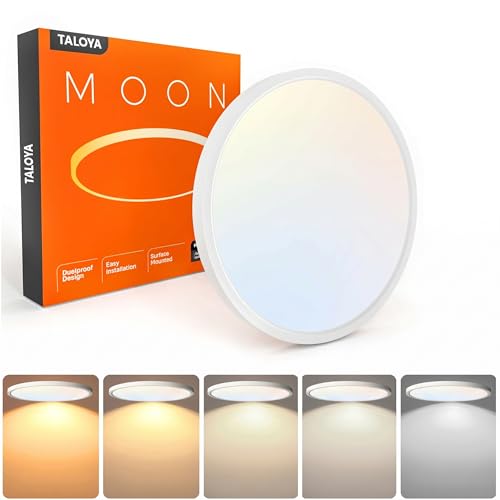
Why Taloya?【Advantage 1- The most convenient installation】: Spare three minutes to log into Youtube, and input “Taloya Ceiling Light-C2” in the search to watch the whole easy installation video. DIY friendly.【Warm Tips】: This product only works with regular ON/OFF wall switch as shown in the advertised pictures.
Strategies for Effective Heat Management in LED Fixtures
To guarantee ideal performance and prolong the lifespan of LED fixtures, effective heat management strategies must be implemented. Utilizing heat sinks made from materials with high thermal conductivity, such as aluminum, greatly enhances heat dissipation, ensuring peak operating temperatures. Incorporating thermal interface materials (TIMs) improves the heat transfer efficiency between LEDs and heat sinks, resulting in increased longevity. For high-power LED applications, active cooling systems, including fans or liquid cooling methods, may be crucial to effectively manage heat. Additionally, regular maintenance, such as cleaning heat sinks and ensuring unobstructed airflow, is essential for preventing overheating. These strategies not only boost energy efficiency but also preserve the performance and lifespan of LED fixtures, making them indispensable for any lighting installation. Understanding energy-efficient designs can also play a significant role in maximizing the benefits of heat management strategies.
Recommended Products

Low Profile & Wide Applications: The Slimline designed overhead 2.75'' puck light (thickness only 1/2") is perfectly suited for RV limited spaces, expanding interior headroom. It is widely used in truck, camper van interior ceilings, cabinets, etc

8.5” LED Mid-Century Modern Ceiling Light: Embrace the timeless elegance of mid-century modern design with our white octagonal spider web ceiling light! Crafted from premium aluminum alloy frame and frosted glass shade, this stunning white close to ceiling light fixture 8.5in features an web-like appearance within an octagonal metal frame, diffuses soft glow that enhances any living space. This is a nice 8.5 inch white front porch ceiling light when you are looking to upgrade.

These eagle eye LED tag lights are elegant & tiny enough to be discreet during the daytime - yet bold enough to pop at night, making them perfect LED lighting to light up your trucks bar, car interior, motorcycle license plate, or any ambient interior lighting or underglow project.
Understanding LED Drivers and Their Impact on Lifespan
Heat management strategies are paramount for maximizing the performance of LED fixtures, yet another vital aspect that greatly influences longevity is the LED driver. These components regulate power to the quality LEDs, and their stability heavily impacts the lifespan of LED lighting systems. If an LED driver malfunctions, it can cause flickering and inconsistent brightness, ultimately leading to premature LED failure. High-quality LED drivers incorporate features like thermal protection, enhancing both their longevity and that of connected LEDs. Regular monitoring of drivers is necessary, as they often show early signs of failure through flickering. Utilizing original equipment manufacturer (OEM) drivers during replacements guarantees compatibility and maintains the rated lifespan and performance characteristics promised by the manufacturer. Moreover, energy-efficient designs in LED technologies can significantly contribute to reduced heat output and prolonged lifespan.
Recommended Products

Unprecedented Ultra-thin Ceiling Lights - We've used cutting-edge raw materials renowned for their flexibility and strength to create this incredibly slim round led light, measuring just 0.67 inches thick. This design surpasses the thickness limitations of traditional lights for ceiling. Regardless of your ceiling height, it seamlessly integrates into your home decor, adding a modern and stylish allure

Sleek Modern Design: This contemporary flush mount ceiling light features a low-profile housing that sits neatly against the ceiling, ensuring smooth clearance for closet doors. Its durable metal frame comes in a brushed nickel finish, paired with a white plastic diffuser that evenly distributes bright, shadow-free illumination.
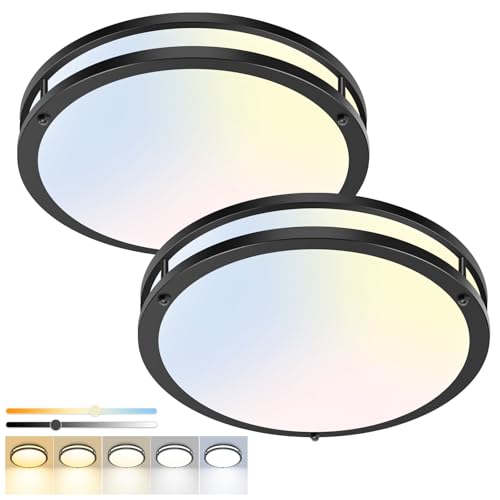
[Newly Upgraded - Ultra-Easy Installation] Unlike most led ceiling lights, our upgraded bedroom light fixture features an integrated design—no need to disassemble parts. What's more, no electrician assistance is required! Simply follow the included step-by-step installation guide, and you can finish the installation in just a few minutes, saving you from the hassle of installation
The Role of Warranty in Protecting LED Investments
Warranties are increasingly recognized as essential elements in protecting investments in LED technology. Manufacturer warranties typically range from 3 to 10 years, securing customer investments against premature failures while providing peace of mind. Although most warranties cover manufacturing defects, they often exclude labor costs for replacements, which can be significant. Extended warranties may offer enhanced investment protection, particularly for high-quality LED products with an average rated life of up to 100,000 hours. By ensuring customers understand any usage limitations, these warranties boost customer confidence and reduce the financial impact of replacement costs. Selecting LED lights with longer warranties not only enhances satisfaction but also acts as a safeguard against unexpected expenses, making it a wise choice for any buyer. Furthermore, understanding the average rated life of LED bulbs can influence warranty expectations and overall satisfaction with the product.
Recommended Products

Vivid Color Accuracy: With a 90 CRI, this fixture delivers rich, true-to-life color clarity in every room.

Color Selectable - 5 CCT Select of 2700K/3000K/3500K/4000K/5000K allows you to choose soft white, warm white, bright white, neutral white or daylight by easily utilizing the switch on the back of the panel light

【 One Light, Five Color Temperatures】The 12 inch LED ceiling light can beswitched from 3000k/3500k/4000k/5000k/6509k five Kelvin to match any similar lights you already have, or be changed to reflect any new styling in your room.You can choose your favorite color by sliding the button on the back of the product as shown in the advertisement picture. ( The brightness is not dimmable)
Best Practices for Professional Maintenance of LED Systems
Maintaining LED systems in ideal condition requires a commitment to best practices that enhance performance and extend lifespan. Regular cleaning of LED fixtures and lenses guarantees optical clarity and consistent light output, with bi-annual cleaning recommended, or quarterly in dusty environments. Effective heat management is vital, as clean heat sinks and proper ventilation prevent excessive heat that can shorten lifespan. Professional maintenance should include frequent inspections of mounting and wiring connections, confirming they withstand weather exposure and mechanical wear. Monitoring LED driver performance is important, as symptoms like flickering indicate potential failure. Scheduling annual professional maintenance checks enables thorough assessments, allowing certified technicians to identify hidden issues and verify that lighting solutions remain reliable and compliant with warranty requirements. Additionally, understanding energy efficiency ratings can help in selecting better-performing systems that reduce overall operating costs.
Recommended Products
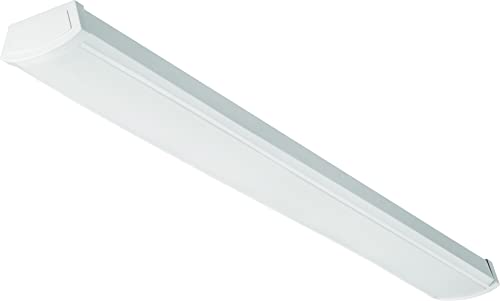
VERSATILE CEILING LIGHT FIXTURE: The Lithonia Lighting FMLWL LED wraparound delivers bright, even illumination with equivalent light output to traditional 2-lamp T8 wraparound for offices, closets, bathroom light fixtures, LED shop lights, and garages

3 WATTAGES SELECTABLE: Allows you to control how much energy and how bright you want your lights to be. Our led wraparound light have a 3 wattage switch which offer the ability to go from 55 watts, 65 watts, or 75 watts of power. With each adjustment, the amount of light output will also change. The 55W setting will offer 5500 lumens, 65W offers 6500 lumens, and 75W offer 7500 lumens

VERSATILE CEILING LIGHT FIXTURE: The Lithonia Lighting FMLWL LED wraparound delivers bright, even illumination with equivalent light output to traditional 2-lamp T8 wraparound for offices, closets, bathroom light fixtures, LED shop lights, and garages
Frequently Asked Questions
What Is the Lifespan of an LED Driver?
An LED driver typically lasts between 30,000 to 100,000 hours. Factors influencing its lifespan include power supply efficiency, thermal performance, current regulation methods, and circuit design, highlighting the importance of quality and compatibility in LED driver technology.
How Do I Know if My LED Driver Is Bad?
Signs of a failing LED driver include flickering lights, reduced brightness, no power, faint buzzing, a burnt smell, and overheating issues. Additionally, power fluctuations and inconsistent performance may indicate compatibility problems requiring immediate attention or replacement.
Do LED Drivers Need to Be Replaced?
Yes, LED drivers need to be replaced periodically due to wear. Proper LED driver maintenance, efficiency assessment, and compatibility checks are essential for peak performance, making upgrades and troubleshooting crucial for longevity across various LED driver types and brands.
What Is the Failure Rate of LED Drivers?
The failure rate of LED drivers hovers at 10-20%, driven by inefficient thermal management, poor installation, and electrical quality. Awareness of driver types and troubleshooting techniques can enhance longevity and performance in diverse installations.