As an Amazon Associate, we earn from qualifying purchases. Some links on this site are affiliate links at no extra cost to you. Our recommendations are based on thorough research and editorial judgment.

Common Home Lighting Mistakes and How to Fix Them

Common home lighting mistakes can diminish comfort and efficiency. Relying solely on overhead lighting can create a dull atmosphere. Instead, layer ambient, task, and accent lighting for depth. Ascertain fixtures are proportionate to the room, avoiding both oversized and undersized options. Employ dimmers for flexibility, enhancing mood and reducing eye strain. Additionally, consider the function of each room to tailor lighting appropriately. Addressing these issues can greatly improve a space. Explore further for more tips and solutions.
Key Takeaways
- Avoid relying solely on overhead lighting; incorporate ambient, task, and accent lighting for a balanced and inviting atmosphere.
- Layer lighting by using dimmers to adjust brightness levels, accommodating various activities and enhancing comfort.
- Ensure lighting aligns with room purposes; use bright task lighting in kitchens and softer light in bedrooms for optimal functionality.
- Choose appropriately sized fixtures; oversized fixtures can overwhelm while undersized ones diminish impact, affecting room aesthetics.
- Evaluate different light types and their properties, considering lumens and color temperature to enhance both functionality and ambiance.
Relying Solely on Overhead Lighting
You may be interested



Overhead lighting serves as a fundamental component in home illumination, yet relying solely on this type of lighting can lead to significant shortcomings. A one-dimensional lighting scheme, dominated by overhead fixtures, often results in poor lighting and uneven illumination, creating discomfort in a space. To truly create a space that is both functional and inviting, it is vital to incorporate layered lighting, which includes ambient lighting, task lighting, and accent lighting. For instance, undercabinet lights in kitchens provide essential task lighting, while wall sconces beside mirrors in bathrooms enhance usability. Furthermore, choosing appropriately sized light fixtures guarantees that neither oversized nor undersized units detract from the room’s aesthetic. Balancing these elements is key to achieving an effective and visually appealing lighting design. Additionally, considering the lumens and color temperature of your lighting installations can significantly improve both functionality and atmosphere in your spaces.
Lack of Layering in Lighting Design
How can the absence of layered lighting design impact the overall atmosphere of a space? Without proper layering light, spaces risk becoming one-dimensional, relying heavily on ambient lighting alone. A well-structured lighting plan incorporates task lighting, such as desk lamps in work areas, and accent lighting that highlights artwork or architectural features. This combination enhances both functionality and depth, creating an inviting atmosphere. Failing to layer can lead to overlighting or underlighting, resulting in discomfort and reduced usability. Implementing dimmers allows for adjustable brightness levels, accommodating various activities throughout the day. Ultimately, effective lighting design requires considering different light types, ensuring a harmonious blend that promotes an appealing ambiance reflective of each room’s purpose. Additionally, incorporating customizable options for different moods can further enhance the versatility of your lighting design, allowing for more tailored experiences.
Ignoring Function and Purpose of Each Room
What happens when the unique function of each room is overlooked in lighting design? Misalignment between lighting and room purpose can result in a space that feels uncomfortable or inefficient. For instance, kitchens thrive with bright task lighting to facilitate cooking, while bedrooms require softer ambient lighting to promote relaxation. Additionally, home offices benefit from cooler light temperatures to enhance focus, whereas warmer lights create a cozy environment in living areas. Specialized lighting, like under-cabinet fixtures in kitchens or sconces beside bathroom mirrors, is essential for maximizing usability. By thoughtfully evaluating the intended activities in each room, homeowners can create effective lighting configurations that balance comfort, functionality, and aesthetic appeal, thereby avoiding common lighting mistakes that hinder daily activities. Incorporating adjustable, dimmable fixtures can further enhance the versatility of lighting in any room.
Choosing the Wrong Size Fixtures
Selecting the appropriate size of lighting fixtures is vital for achieving a well-designed space that feels harmonious and inviting. Choosing the wrong size can greatly affect how a room feels; fixtures that are too small may lack visual impact, while oversized fixtures can overwhelm the space. Consider the proportion and scale of your fixtures in relation to the room. For instance, a chandelier should be about one foot smaller in diameter than the narrowest width of its table. Additionally, ceiling height plays an important role; pendant lights should hang between 30 to 36 inches above surfaces. Utilizing cardboard models can help visualize various fixture sizes, ensuring ideal placement before finalizing a purchase, thereby enhancing overall room balance and design. Always remember that proper lighting layouts play a crucial role in overall kitchen renovation appeal.
Not Using Dimmers for Flexibility
Properly scaled lighting fixtures can set the stage for a well-designed space, but without dimmers, the full potential of these fixtures remains untapped. Dimmers offer adjustable brightness, allowing homeowners to easily switch from bright task lighting during the day to soft, ambient lighting at night. This flexibility can transform a room’s mood, enhancing relaxation or productivity as needed. Additionally, installing dimmers can lead to energy savings by reducing electricity consumption when lights are dimmed. As an easy integration into existing systems, dimmers also help reduce eye strain, especially in spaces where individuals spend extended periods. Overall, adopting dimmers is essential for effective lighting changes throughout the day, making them a must-have in modern home lighting design. Smart dimmer switches provide advanced features like customizable fade rates and scheduling, enabling users to personalize their lighting experience.
Recommended Products
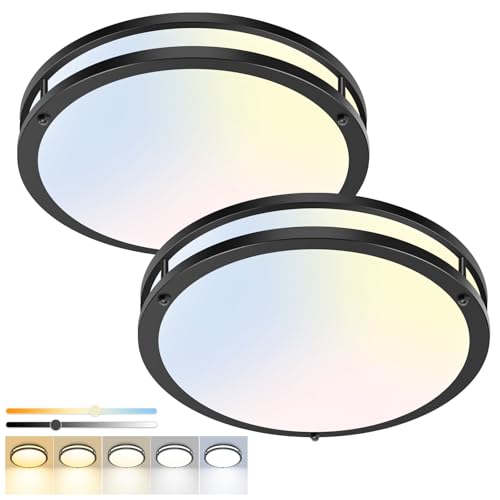
[Newly Upgraded - Ultra-Easy Installation] Unlike most led ceiling lights, our upgraded bedroom light fixture features an integrated design—no need to disassemble parts. What's more, no electrician assistance is required! Simply follow the included step-by-step installation guide, and you can finish the installation in just a few minutes, saving you from the hassle of installation

Unprecedented Ultra-thin Ceiling Lights - We've used cutting-edge raw materials renowned for their flexibility and strength to create this incredibly slim round led light, measuring just 0.67 inches thick. This design surpasses the thickness limitations of traditional lights for ceiling. Regardless of your ceiling height, it seamlessly integrates into your home decor, adding a modern and stylish allure

Sleek Modern Design: This contemporary flush mount ceiling light features a low-profile housing that sits neatly against the ceiling, ensuring smooth clearance for closet doors. Its durable metal frame comes in a brushed nickel finish, paired with a white plastic diffuser that evenly distributes bright, shadow-free illumination.
Overusing Recessed Lighting
How can homeowners avoid the common pitfall of overusing recessed lighting in their spaces? Overusing recessed lighting can create a cold atmosphere, primarily illuminating downward while neglecting walls and surfaces. To achieve a balanced aesthetic, homeowners should incorporate ambient lighting and decorative lamps, which add warmth and visual interest. Layered lighting techniques—mixing recessed lights with other fixtures like pendant lights—can soften harsh shadows that may arise from excessive recessed illumination. Ideal spatial coverage usually requires spacing recessed lights four to six feet apart, ensuring no area becomes overly bright. To enhance the design, consider adding accent fixtures or wall-mounted lights, which will highlight key features and create a dynamic environment, thereby avoiding common lighting mistakes. Additionally, leveraging dimmable lighting options can allow flexibility in atmosphere, further reducing the starkness of recessed-only arrangements.
Recommended Products
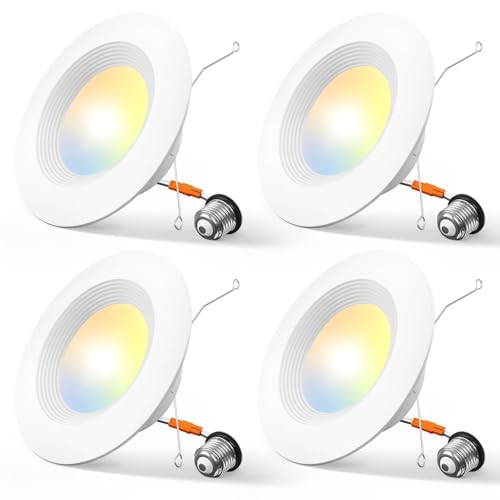
Eye protection: The brightness of the can lights can be smoothly adjusted from 10% to 100%, so you can choose the most comfortable brightness for your eyes. Note: This light is compatible with most dimmers on the market, except for the smart dimmer.

5-in-1 CCT: Eliminate the Guesswork. Because this recessed ceiling light features a 5-color switch on the J-box, you can physically toggle between 2700K Warm White and 5000K Daylight before installation. This means no more return hassles for buying the wrong color, ensuring the perfect ambiance for any room from a cozy bedroom to a bright, functional kitchen. Versatility is proven by the built-in dip switch supporting 2700K, 3000K, 3500K, 4000K, and 5000K.
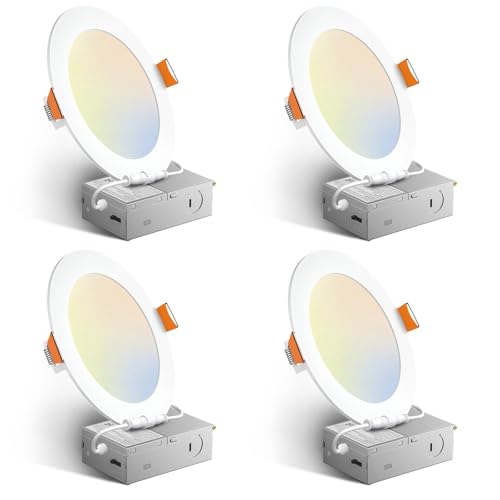
Slim Wafer Light: Amico's 6 inch 5CCT slim wafer LED downlight with junction box housing & trim kits.
Neglecting Natural Light Sources
Why neglecting natural light sources can be a significant oversight for homeowners, as it often leads to overly bright and harsh indoor environments. Relying mainly on artificial lighting can increase energy consumption and result in an uncomfortable, over-lit space. Homeowners should assess the positioning and size of windows to maximize natural light flow, while avoiding heavy drapery that blocks it. Opting for lighter window treatments or sheer fabrics can help control daylight, ensuring appropriate illumination. Additionally, incorporating reflective surfaces like mirrors can enhance brightness, distributing natural light effectively throughout a room. Adjusting the lighting plan seasonally is also essential, as fluctuations in natural light quality need consideration for a balanced, energy-efficient environment. Moreover, using fixtures with vintage Edison bulbs can add a warm, inviting atmosphere while maintaining energy efficiency.
Frequently Asked Questions
What Bulb Wattage Is Best for Different Rooms?
Bulb wattage guidelines suggest 40 watts for bedrooms, 60-100 watts for living rooms, 75-100 watts in kitchens, 60 watts for bathrooms, and 40 watts for hallways, considering lighting intensity preferences and specific task lighting needs.
How Do I Choose a Color Temperature for My Bulbs?
Choosing bulb color temperature involves considering color significance for task or mood lighting. Warm tones enhance comfort, while cool tones promote focus. Energy ratings and bulb compatibility with decorative fixtures affect lifespan and ambiance quality.
Can I Mix Different Lighting Styles in One Room?
Mixing different lighting styles in one room is feasible, provided it aligns with design principles. This approach enhances style harmony, room functionality, and ambiance, ensuring bulb compatibility while creating focal points and integrating decorative accents through layered lighting.
What Types of Bulbs Are Most Energy-Efficient?
LED technology reigns supreme in energy efficiency, offering remarkable energy savings and an extended bulb lifespan. With options like dimmable and smart bulbs, these eco-friendly choices enhance bulb brightness, color rendering, and support bulb recycling initiatives.
How Can I Maximize Natural Light in My Home?
Maximizing natural light involves using window treatments like sheer curtains, arranging furniture to avoid blocking light, utilizing reflective surfaces such as mirrors, installing skylights, and considering open spaces alongside seasonal changes and natural landscaping.