As an Amazon Associate, we earn from qualifying purchases. Some links on this site are affiliate links at no extra cost to you. Our recommendations are based on thorough research and editorial judgment.

LED Strip Anatomy: Chips, Density, Diffusion, and Bend Radius

LED strips consist of vital components like SMD LED chips, chip density, diffusion materials, and bend radius specifications, which collectively influence performance. SMD chips, such as 2835, 3528, and 5050, impact brightness based on their density, typically ranging from 30 to 120 LEDs per meter. Effective diffusion reduces hotspots, enhances color accuracy, and guarantees uniform output. Additionally, maintaining a minimum bend radius of 30mm is essential for preventing damage. Understanding these elements leads to better installation and performance outcomes. More insights await.
Key Takeaways
- LED strips feature different SMD chip configurations (2835, 3528, 5050), impacting brightness and efficiency based on chip density.
- A higher density of LEDs per meter, like 60, increases light output and minimizes visible hotspots for better illumination.
- Diffusion materials enhance light uniformity and soften output, improving color rendering and reducing glare from LED strips.
- The minimum bend radius for LED strips is about 30mm to avoid damaging the PCB, with gentle curves recommended for sharp corners.
- Proper installation practices, including heat dissipation management, are crucial for optimizing LED strip performance and longevity.
Overview of LED Strip Components
When examining LED strips, it is essential to understand their key components and how they work together to deliver effective lighting solutions. LED strips feature a flexible circuit board that hosts multiple SMD LEDs, with configurations such as 2835, 3528, or 5050, indicating chip size and output capacity. The LED density, or the number of LEDs per meter, plays a significant role in achieving uniform lighting; higher densities, like 60 LEDs per foot, minimize visible hotspots. To enhance light diffusion, optional covers or silicone coatings can be added, improving overall light appearance by softening harsh illumination. Additionally, identifying cut points marked by copper ovals facilitates customization, allowing users to modify strip lengths for various applications while ensuring efficient operation. Moreover, implementing energy efficiency ratings helps in choosing products that sustain performance while reducing energy costs.
Understanding SMD LED Chips
LED strip lighting relies heavily on the quality and type of SMD LED chips used, which serve as the backbone of the illumination provided. SMD LED chips, specifically sizes like 2835, 3528, and 5050, greatly influence brightness and power consumption. Higher density configurations, such as 60 LEDs per meter, enhance light output by minimizing visible hotspots, leading to a more uniform glow. Additionally, the effectiveness of an LED strip is contingent upon the performance of these chips; inferior chips typically yield fewer lumens while demanding more power. Each SMD LED chip generally operates at a maximum drive current of 0.2 watts, necessitating careful power supply calculations to guarantee efficiency and longevity without overdriving the components. Understanding energy efficiency benefits in LED products enhances the selection process for optimal performance.
Recommended Products

UP to 75% ENERGY SAVING: Hykolity's 4FT 40W LED Wraparound light at 4000K Neutral White provides over 4400lm, which makes the replacement for traditional 2 lamp 32W fluorescent wrap light fixture and cuts down the electric bill up to 65% instantly

VERSATILE CEILING LIGHT FIXTURE: The Lithonia Lighting FMLWL LED wraparound delivers bright, even illumination with equivalent light output to traditional 2-lamp T8 wraparound for offices, closets, bathroom light fixtures, LED shop lights, and garages
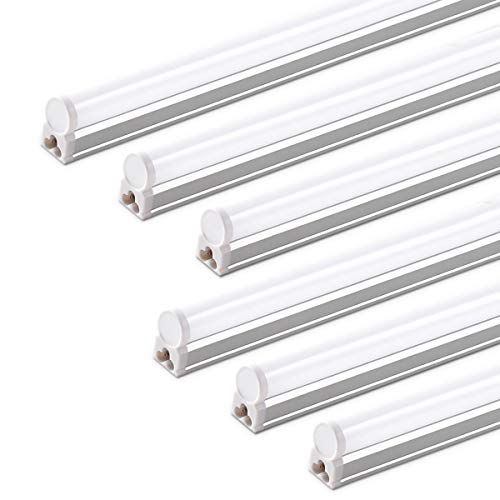
Super Bright: More than 2200 lumens output, 20w low power consumption. Please note that we have a brand new upgrade. If you need to connect new and old products, make sure to use the new male-female connector cables. The second generation is designed to be safer, preventing accidental electrical connections caused by human error
Importance of Chip Density
How critical is chip density in determining the efficacy of LED strip lighting? Chip density, measured in LEDs per meter, plays a pivotal role in the overall brightness and light output of LED strips. Common configurations, such as 30, 60, or 120 LEDs per meter, impact the uniformity of illumination. Strips with 60 LEDs per meter achieve an ideal balance for ambient lighting applications, delivering approximately 1,500 lumens per meter. Higher chip density reduces visible hotspots, providing smoother lighting experiences. However, increased chip density typically demands a more robust power supply to prevent overloading. Hence, when designing lighting solutions, consider chip density as a fundamental factor for achieving prime brightness and aesthetic appeal in various settings. Additionally, the integration of energy-efficient designs can further enhance the performance and sustainability of your lighting solutions.
Role of Diffusion in LED Strips
Although often overlooked, the role of diffusion in LED strips greatly influences the quality of light produced. Diffusion materials help to disperse the light emitted from the LED chips, creating a more uniform and softer light output. This minimizes harsh shadows and hotspots, enhancing aesthetic appeal in various applications. The effectiveness of diffusion is determined by several factors, including the LED chip density and the thickness of the diffusion material used. High-quality diffusion can considerably improve the color rendering index (CRI) of LED strips, ensuring vibrant and true-to-life colors. Additionally, these materials protect the LEDs from dust and moisture while extending the longevity of the strip lights, making diffusion a vital aspect in LED strip design and application. Proper energy-efficient lighting options not only contribute to savings but also enhance the overall lighting experience.
Bend Radius Specifications
When considering the flexibility of LED strips, understanding bend radius specifications becomes essential for effective installation and optimal performance. Most manufacturers recommend a minimum bend radius of 30mm (1.18 inches) to prevent damage. While lateral bending is safe and promotes flexibility, vertical bending may crack the printed circuit boards (PCBs). To maintain integrity, gentle curves should be implemented, especially for sharp corners, with connectors favored for 90-degree turns. The flexibility of LED strips varies; standard strips allow modest bends, while COB strips are generally less adaptable. Improper bending may lead to electrical damage, resulting in flickering and inconsistencies in color brightness, specifically in RGB LED setups. Adhering to these specifications guarantees optimal functionality and appearance. Additionally, using energy-efficient LED lights can further enhance the integration and performance of lighting designs in various applications.
Selecting the Right LED Strip
Selecting the right LED strip requires careful consideration of several key factors that influence both performance and application. First, examine the SMD chip type, such as the 2835 for efficiency or the 5050 for vibrant RGB colors. Additionally, prioritize LED density; higher density strips, like those with 60 LEDs per meter, deliver even light distribution with minimal hotspots. It is also crucial to choose the appropriate color temperature, ranging from warm white (3000K) to cool white (6000K), depending on the ambiance desired. Moreover, check the voltage rating, either 12V or 24V, as it impacts the maximum run length. Finally, verify the power supply matches the strip’s voltage and wattage capacity, allowing for at least 20% buffer for safe operation. Furthermore, consider brightness output ratings to ensure adequate illumination for your intended application.
Recommended Products

Modern Minimalism Design & Wide Applications: The modern mid-century LED ceiling light fixture features a matte black metal exterior lampshade with a champagne gold interior, and is combined with an LED panel light source. A vintage and classical look adds an antique and retro vibe to your cozy space. 12-inch diameter dimmable LED flush mount ceiling light is compatible with most household and commercial areas, and which ideal for hallways, bathrooms, kitchens, closets, stairwells, bedrooms, living rooms, corridors, entrances, porches, mud rooms, children's rooms, dining rooms, bars, cafes, offices, hotels, and restaurants.
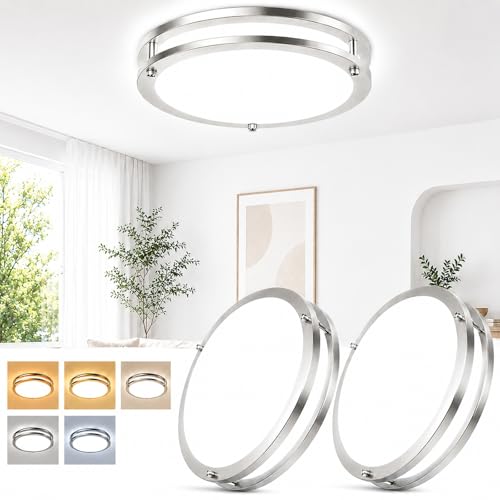
【Brightness That Actually Works for Real Rooms】“How bright is this light?” — Most 13 inch LED ceiling lights deliver only 1300–2400 lumens. Ours delivers 3600 lumens at 36W, bright enough for bedrooms, kitchens, hallways, garages, basements, and home offices up to 250 sq ft. Enjoy fewer shadows, fewer dim corners, and up to 90% energy savings vs. traditional bulbs.

Sleek Modern Design: This contemporary flush mount ceiling light features a low-profile housing that sits neatly against the ceiling, ensuring smooth clearance for closet doors. Its durable metal frame comes in a brushed nickel finish, paired with a white plastic diffuser that evenly distributes bright, shadow-free illumination.
Benefits of Higher Density LEDs
Higher density LEDs, such as those designed with 60 LEDs per meter, present numerous advantages for both residential and commercial applications. These LED strips enhance brightness levels considerably, achieving at least 450 lumens per foot, which results in more vivid lighting. In addition, higher density LEDs improve color mixing in RGB setups, leading to dynamic and vibrant displays. Their energy efficiency is notable, allowing users to achieve ideal lighting output while consuming less power, a crucial consideration in today’s eco-conscious environment. Moreover, employing advanced semiconductor technologies like 5050 and 5730 in high-density configurations fosters better thermal management, mitigating overheating risks. This design quality extends the lifespan of the LED strips, making them a smart and sustainable choice for various lighting needs. Additionally, the use of energy-efficient LED designs ensures that these strips not only illuminate effectively but also help to reduce overall energy consumption.
Color Uniformity and Brightness
Color uniformity and brightness are critical factors that influence the overall effectiveness of LED strip lighting in both aesthetic and functional applications. The uniformity of color largely depends on the type and density of LED chips used; strips with higher density, such as 60 LEDs per meter, offer superior performance by reducing hotspots and ensuring even light distribution. Brightness, measured in lumens per meter, should ideally exceed 1500 lumens for effective illumination. Additionally, color temperature (CCT) plays an essential role in perceived brightness and ambiance, ranging from warm white (3000K) to cool white (6000K). Employing LED strips with a high Color Rendering Index (CRI) enhances color accuracy, making quality diffusion a must-have to minimize visual differences between individual emitters. Some top-rated LED strips, like the Govee Warm White LED Strip Lights, maintain a high level of brightness while providing color versatility.
Enhancing Performance With Diffusers
While leveraging LED strip lighting for various applications, the installation of diffusers can greatly enhance overall performance. Diffusers scatter and soften the light output of LED strip lights, resulting in more uniform illumination and reducing harsh hot spots. This improvement is especially beneficial in settings like under-cabinet or ambient lighting, where aesthetic appeal is key. Choosing high-quality diffusers made from materials such as polycarbonate or acrylic can maximize light transmission while ensuring excellent diffusion properties. Additionally, proper diffusion minimizes glare, enhancing comfort for both residential and commercial environments. Various diffuser profiles and shapes are available, allowing designers to tailor effects that complement their installation spaces, making diffusers a must-have for anyone looking to optimize their LED strip lighting setups. Additionally, products like the Govee Smart RGB LED Strip Lights provide a wide range of colors to further enhance the ambiance created by diffused lighting.
Maintaining Proper Bend Radius
Properly maintaining the bend radius of LED strip lights is essential for ensuring their longevity and ideal performance. For most LED strips, a minimum bend radius of around 30mm (1.18 inches) is recommended to protect the flexible circuit board from damage. Lateral bending is safe, but vertical bending poses risks of PCB cracking and electrical failure. To achieve the best results, gentle curves should be utilized while avoiding sharp corners; connectors are especially useful for making 90-degree turns. Additionally, the flexibility of the LED strip can vary, with standard strips permitting modest bends and COB strips being less forgiving. Finally, always dry-fit the strips before final installation to verify proper bending angles suited for the intended application. Incorporating features like energy efficiency in the selection of LED strips can further enhance performance and longevity.
Key Considerations for Installation
Installing LED strips requires careful consideration of several important factors to guarantee superior performance and durability. First, adhere to the minimum bend radius of approximately 30mm to prevent damage to the flexible circuit board. Utilize connectors for any necessary 90-degree turns, as sharp bends can lead to electrical damage or flickering lights. It is vital to understand the flexibility limitations of the specific strip type being used—standard SMD strips generally allow for modest bends, while COB strips have less flexibility. Before finalizing, always conduct a dry fit in the intended installation area, evaluating how bends and turns will conform to the design. Additionally, choose mounting accessories like aluminum channels to support LED strips, improving both aesthetics and heat dissipation.
Recommended Products

3CCT Selectable Color Temperature: Select your preferred color temperature via the toggle switch on the fixture before mounting. Three preset tones are available: 3000K Bright White, 4000K Cool White, and 5000K Daylight. This fixture requires hardwiring to a standard ceiling J-Box (sold separately). Once installed, it works only with a regular ON/OFF wall switch for basic on/off control. Recommended for flat ceilings with pre-installed junction boxes.

【Ultra Thin Design - Fits Perfectly to Ceilings】Our led ceiling light flush mount are only 0.94 inches thick, perfect for rooms with low ceilings. The simple and modern rounded design blends perfectly with any interior style and is perfect for bathrooms, hallways, bedrooms, closet, children's rooms, porch, etc
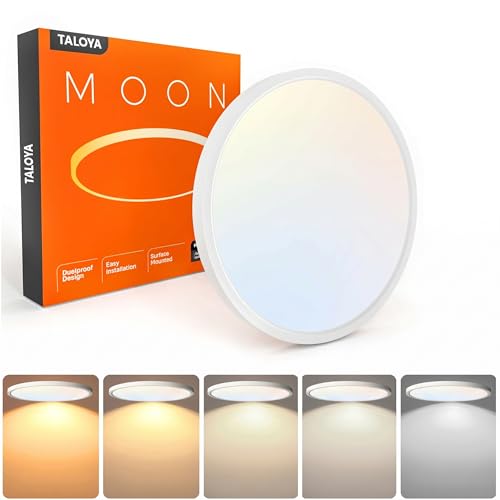
Why Taloya?【Advantage 1- The most convenient installation】: Spare three minutes to log into Youtube, and input “Taloya Ceiling Light-C2” in the search to watch the whole easy installation video. DIY friendly.【Warm Tips】: This product only works with regular ON/OFF wall switch as shown in the advertised pictures.
Frequently Asked Questions
What Is the Density of LED Strips?
LED strips generally feature various densities, such as 60, 120, or 240 LEDs per meter. Higher LED density benefits include improved brightness levels, flexible options for DIY projects, and enhanced longevity while optimizing power consumption and color temperature.
What Is the Bend Radius of a Cob LED?
The bend radius for COB LEDs is essential, typically around 5 centimeters. Proper installation techniques enhance flexibility, ensuring effective heat dissipation, maximizing advantages in applications, and preventing failures through gradual bends in common usage scenarios.
Which Is Better, 5050 or 3528?
In an LED performance comparison, the 5050 outshines the 3528 in brightness levels and color temperature, despite higher power consumption and heat dissipation. However, the 3528’s lower price and longer lifespan may appeal to budget-conscious consumers.
How Do I Identify My LED Chip?
Amidst the luminous jungle of colors, one must decipher the unique markings tells of LED chip types. Measuring size reveals brightness and efficiency, while voltage dictates lifespan, ensuring a vibrant dance of illumination endures through time.