As an Amazon Associate, we earn from qualifying purchases. Some links on this site are affiliate links at no extra cost to you. Our recommendations are based on thorough research and editorial judgment.

Smart Dimmers Vs Scene Controllers: When Each Makes Life Easier

Smart dimmers are ideal for adjusting brightness levels and creating cozy atmospheres, perfect for activities like movie nights. In contrast, scene controllers excel at managing multiple lighting scenes with a single command, simplifying adjustments during events. While smart dimmers require detailed wiring and compatible bulbs, scene controllers offer wireless integration for effortless setup. Assess installation needs and cost benefits to determine the best solution for your space. Explore further to understand additional features and real-world applications.
Key Takeaways
- Smart dimmers are ideal for adjusting brightness levels to create specific moods, such as cozy atmospheres during movie nights.
- Scene controllers simplify lighting adjustments with one button, perfect for entertaining and setting the right ambiance instantly.
- Smart dimmers offer energy-saving benefits and require installation, making them suited for permanent fixtures.
- Scene controllers provide wireless and easy integration, making them user-friendly for temporary or adaptable lighting setups.
- Choose smart dimmers for detailed brightness control and scene controllers for quick access to pre-configured lighting scenes.
Understanding Smart Dimmers and Their Benefits
You may be interested



Smart dimmers have become a must-have addition to modern homes, offering numerous benefits that enhance lighting control. These devices allow homeowners to easily adjust brightness levels, improving the ambiance for various activities throughout the day. By implementing smart lighting solutions, users can considerably increase energy efficiency, reducing utility costs while enjoying tailored illumination. Many smart dimmers come equipped with automation features, such as scheduling and remote control via smartphone apps, simplifying management. In addition, high-quality smart dimmers support various bulbs and fixtures, ensuring peak performance without flickering. The incorporation of preset brightness levels provides convenience, enabling users to create custom lighting scenes with just a tap. Overall, smart dimmers are essential for any contemporary living space aiming for functional and stylish lighting solutions. Additionally, energy monitoring features are often included in smart lighting systems, allowing users to track their power consumption in real time.
Exploring Scene Controllers and Their Advantages
How can one effortlessly manage a home’s lighting environment with just the touch of a button? Scene controllers, such as the Wemo Stage Scene Controller, allow users to create and activate multiple programmable lighting scenes easily, simplifying the management of home ambiance. These devices integrate seamlessly with existing smart lighting systems and often support voice commands via platforms like Alexa and Google Home. By eliminating the hassle of juggling multiple app controls, they provide a convenient way to switch between lighting settings for different occasions, like movie nights or dinner parties. Additionally, scene controllers enhance automation, enabling lights to adapt to specific activities or times through pre-set scenes. Their customizable settings offer users the flexibility to tailor their environment to personal preferences, promoting comfort and mood enhancement. Furthermore, they can work in conjunction with energy-efficient smart bulbs, contributing to overall electricity savings while enjoying personalized lighting.
Key Differences Between Smart Dimmers and Scene Controllers
In modern home lighting systems, understanding the distinctions between smart dimmers and scene controllers is essential for optimizing user experience and functionality. Smart dimmers allow users to adjust the brightness level of compatible dimmable bulbs, enhancing ambiance for various activities. In contrast, scene controllers focus on preset lighting, enabling the activation of multiple lighting scenes across different fixtures via a single button. While smart dimmers require installation that involves wiring into existing circuits, scene controllers offer wireless integration, making them easier to set up without major electrical work. Additionally, some scene controllers, like the Wemo Stage Scene Controller, provide multiple program settings per button, showcasing their versatility compared to the brightness-tuning specialty of smart dimmers. Many users opt for wireless dimmer switches due to their ease of installation and advanced features.
Customization Options for Dimming and Scene Settings
Customization options for dimming and scene settings greatly enhance the flexibility and functionality of home lighting systems, enabling users to tailor their environments to suit various activities. Smart dimmers allow for precise adjustments in brightness levels, creating perfect atmospheres for relaxation or productivity. Scene controllers enable the activation of predefined lighting scenarios with ease, giving users the power to switch between multiple programs quickly—ideal for movie nights or dinner parties. Additionally, smart dimmers can be programmed with automated schedules that mimic natural light patterns, boosting energy efficiency. By combining smart dimmers and scene controllers, users gain an extensive solution for managing both detailed dimming levels and convenient scene activation, ensuring personalized illumination for every occasion. Many smart dimmer switches come with user-friendly features that simplify the experience, catering to both tech-savvy individuals and newcomers alike.
Installation Considerations for Smart Dimmers and Scene Controllers
When considering the installation of smart dimmers and scene controllers, several key factors come into play that can impact both the process and the final outcome. Smart dimmers require detailed wiring into the lighting circuit, often necessitating a neutral wire, which can complicate installation, especially in older homes. In contrast, scene controllers operate wirelessly, allowing easier integration into existing switch setups without invasive procedures. It’s crucial to verify compatibility with multi-way circuits for smart dimmers to avoid functionality issues. Additionally, smart dimmers require compatible dimmable bulbs for ideal use. As a result, understanding the specific installation requirements of both devices is essential for seamless integration into home automation systems, enhancing user experience and efficiency. Furthermore, many smart dimmers typically operate on 2.4GHz Wi-Fi networks, which is an important consideration during installation.
Cost Comparisons: Smart Dimmers vs. Scene Controllers
Evaluating the cost differences between smart dimmers and scene controllers reveals important considerations for budgeting and functionality. Smart dimmers generally cost between $40 and $100, while scene controllers are priced from $30 to $60 but may require additional purchases, such as compatible smart bulbs or hubs. For instance, the Philips Hue Smart Dimmer Switch is approximately $19.99, yet a complete starter kit, which includes bulbs, can reach around $199.99. Although smart dimmers offer advanced features, scene controllers serve as an affordable solution for controlling multiple lights simultaneously, especially in larger setups. Furthermore, consumers should carefully evaluate installation costs and potential long-term savings on electricity bills when determining which lighting control option best suits their needs. Additionally, it is essential to consider the energy efficiency of smart bulbs, as this can significantly impact overall savings.
Recommended Products

【4 Fan Speeds】 Tailor your airflow to your exact preferences by choosing from four fan speeds for the utmost comfort
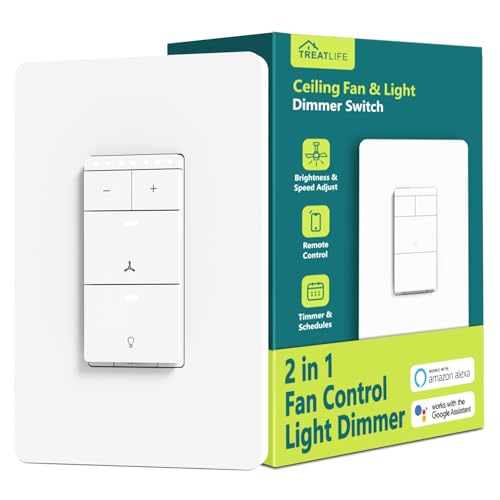
Note Before Purchase: Designed for 2.4GHz Wi-Fi only (5GHz not supported). A neutral wire is required. The wiring setup must include line, ground, fan load, and light load wires, with separate load wires for the fan and light (shared wiring is not supported). The ground wire is positioned separately within the internal wiring layout for structural and safety design purposes and should be properly identified before installation. This switch is designed for single-pole only and is not compatible with 3-way or multi-location setups
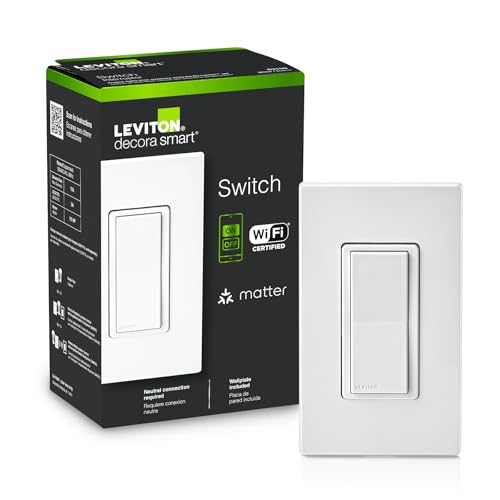
NEVER COME HOME TO A DARK HOUSE AGAIN – Schedule exterior lights to turn on at sunset for added safety, comfort, and convenience
User Experience: Which Option Is More Intuitive?
How does user experience differ between smart dimmers and scene controllers regarding intuitiveness? Smart dimmers offer users direct control over lighting levels, allowing for a granular, user-friendly approach to customizing ambiance. However, accessing detailed adjustments typically involves traversing through apps or interfaces. In contrast, scene controllers provide quick access to preset lighting arrangements tailored for specific activities, such as movie nights or dinner parties. This makes them particularly intuitive, especially for less tech-savvy individuals. Furthermore, while smart dimmers have memory settings that recall previous brightness levels, scene controllers excel at delivering immediate, customized lighting scenarios. Ultimately, the choice between them is subjective; users may prioritize either detailed control or straightforward simplicity based on their personal preferences and lifestyle needs. Additionally, considering the timer functionality can greatly enhance the convenience and efficiency of both systems, promoting energy savings and ease of use.
Integration With Smart Home Systems and Voice Assistants
Integration with smart home systems and voice assistants is a critical consideration for anyone looking to enhance their living space with modern lighting solutions. Smart dimmers and switches seamlessly connect with major platforms like Alexa, Google Home, and HomeKit, offering voice-activated control for lighting adjustments. Meanwhile, scene controllers allow users to create dynamic lighting scenes across multiple devices with a single command, thereby simplifying everyday tasks. Both technologies support automation schedules, adjusting lights automatically based on user preferences. This capability promotes energy efficiency while strengthening home security, such as automatically dimming lights when the home is in “away” mode. Combining smart dimmers with scene controllers provides a cohesive and versatile lighting experience, easily tailored for any occasion. For outdoor spaces, consider durability and weather resistance to ensure that your lighting solutions withstand the elements while maintaining functionality.
Real-World Usage Scenarios: When to Choose Each Option
Choosing the right lighting solution for a home involves understanding how smart dimmers and scene controllers can effectively meet different needs. Smart dimmers excel in situations requiring adjustable brightness, such as creating a cozy atmosphere during movie nights or managing soft lighting for late-night activities. Conversely, scene controllers simplify the user experience by allowing easy activation of lighting scenes, like entertaining guests or unwinding after a long day. In kitchens, where multi-layered lighting effects are key, scene controllers deliver quick access to combined ambient and task lighting. For renters, smart dimmers provide seamless integration with existing fixtures and enhance energy efficiency. By selecting the right option, homeowners can improve their daily lighting experience and cater to specific real-world usage scenarios. Additionally, under cabinet motion sensor lights offer convenient, hands-free operation in various spaces, enhancing overall functionality and accessibility.
Recommended Products
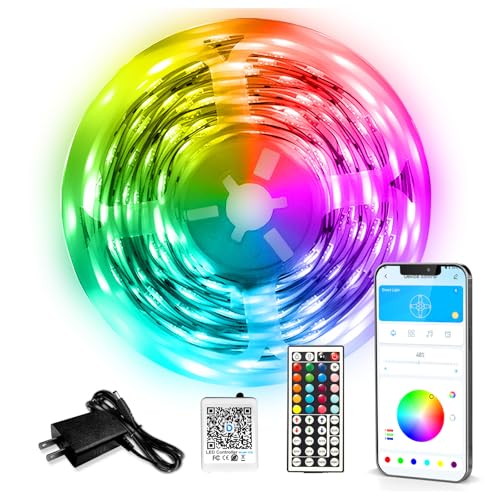
Smart APP and IR Remote Control: The led strip lights support both app and 44 keys ir remote for control, which allow you change the led lights color and modes are conveniently for bedroom, ceiling, kitchen, living room, bar and party decoration luces led para cuarto. Notice : Please unroll the entire light strip before lighting up

Smart RGBIC Effects: RGBIC LED Strip lights for bedroom display multiple colors on one line at a time compared with traditional RGB lights. A colorful combination of LED strip lighting for bedroom brings a strong visual impact. (Not Support Alexa)
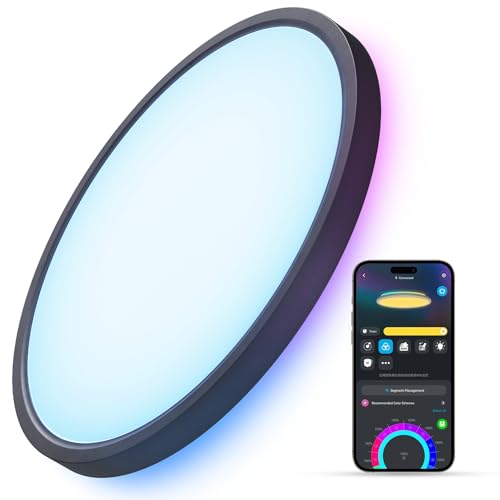
Multicolored Lighting: The main light of smart ceiling light is RGB+WW, while the back light is RGBIC. With 16 million background colors, the back light enriches the whole house atmosphere. Note: The WW of the main light and back light cannot be on simultaneously.
Frequently Asked Questions
What Are the Disadvantages of Smart Lighting?
Smart lighting presents disadvantages such as compatibility issues, installation complexity, app dependency, and internet reliance. Additionally, cost considerations, bulb limitations, and potential security vulnerabilities can negatively impact user experience, making adoption challenging for some consumers.
Do Smart Light Switches Increase Home Value?
Smart light switches enhance home value through modern technology, energy efficiency, and aesthetic appeal. They fulfill buyer preferences for home automation and convenience factors, potentially offsetting installation costs and positively influencing resale value in today’s market.
What Is the Disadvantage of a Dimmer Switch?
Approximately 30% of users face compatibility issues with dimmers, leading to dimmer limitations and installation challenges. These drawbacks can complicate brightness control, hinder user experience, and create cost factors that deter energy-efficient solutions in older homes.
What Is the Lifespan of a Smart Switch?
The lifespan of a smart switch typically ranges from 10 to 15 years, influenced by smart switch durability, features, energy efficiency benefits, and factors such as installation considerations, compatibility with various smart switch brands, and user interface ease.