As an Amazon Associate, we earn from qualifying purchases. Some links on this site are affiliate links at no extra cost to you. Our recommendations are based on thorough research and editorial judgment.

Energy Ratings Explained: What Certifications Actually Mean

Energy ratings, specifically Energy Performance Certificates (EPCs) and ENERGY STAR certifications, assess energy efficiency in properties and appliances. EPCs evaluate a home’s energy performance, providing a rating from A to G, while ENERGY STAR focuses on specific appliances exceeding set standards. Both certifications guide consumers in making informed energy decisions. Higher ratings typically indicate greater efficiency, which can lead to reduced bills and environmental impact. Understanding these ratings is essential for maximizing energy efficiency and sustainability in living environments. More insights await.
Key Takeaways
- Energy Performance Certificates (EPCs) measure a property’s energy efficiency, rated from A (high efficiency) to G (low efficiency).
- Properties must have a minimum EPC rating of E to be rented in England and Wales, affecting marketability.
- EPCs include detailed information on energy use, costs, and recommendations for improvements to enhance efficiency.
- ENERGY STAR certifications indicate that products exceed energy performance standards, promoting energy savings in homes.
- Both EPCs and ENERGY STAR ratings guide consumers in making informed energy-efficient choices for homes and appliances.
Understanding Energy Performance Certificates (EPCs)
As property owners increasingly prioritize energy efficiency, understanding Energy Performance Certificates (EPCs) becomes essential for making informed decisions regarding real estate. An EPC certificate provides an energy efficiency rating from A to G, based on current energy efficiency, consumption, and CO2 emissions. This four-page report details energy usage and offers recommendations to improve efficiency, which may save you money over time. Homes built with higher energy ratings may qualify for ENERGY STAR certification, further enhancing their appeal in the market. Importantly, properties for rent must achieve at least a grade E rating. EPCs are valid for ten years and can be updated after renovations, allowing homeowners to enhance their energy performance and optimize their investments.
The Importance of EPC Ratings
Energy Performance Certificate (EPC) ratings hold significant importance in today’s real estate market, influencing the choices of buyers and renters alike. These energy performance certificates rank properties from A to G, with A representing high energy efficiency and G denoting inefficiency. Legally required during property sales and rentals, EPCs must be provided within seven days of marketing. Properties rated below E cannot be rented in England and Wales, underscoring the necessity of maintaining baseline energy standards. Furthermore, EPCs include recommendations from energy assessors for improvements, enabling homeowners to reduce energy bills and carbon emissions effectively. Buyers often favor ENERGY STAR certified homes, driven by their promise of efficiency. Ultimately, EPC ratings facilitate informed, strategic property decisions in a competitive market. Additionally, selecting energy-efficient solutions for outdoor lighting can significantly enhance a property’s appeal and sustainability.
Breakdown of EPC Contents
The Energy Performance Certificate (EPC) serves as an essential resource for homeowners and prospective buyers, offering a thorough overview of a property’s energy efficiency. This four-page report details vital information, including the current energy efficiency rating and the potential rating, both graded from A to G. These ratings reflect the property’s typical energy usage, current energy costs, and opportunities for energy efficiency improvements. The EPC also outlines key property characteristics affecting energy performance, such as insulation, heating systems, and lighting solutions. Additionally, it provides projections for energy expenditures related to heating, lighting, and hot water usage. Most importantly, the EPC offers tailored recommendations for necessary upgrades, highlighting costs and potential savings, thereby empowering homeowners to enhance their energy efficiency. Incorporating energy-efficient LED downlights not only improves lighting quality but also significantly reduces overall energy consumption.
How to Obtain an EPC
Obtaining an Energy Performance Certificate (EPC) requires engaging a qualified domestic energy assessor who adheres to the necessary regulations in England, Wales, and Northern Ireland, or finds an approved organization in Scotland. Homeowners can locate accredited assessors easily by entering their postcode on the official EPC register, ensuring verification of qualifications. Before marketing a property, it is essential to arrange the EPC, as it must be provided within seven days of selling or renting. Significantly, EPCs are valid for 10 years, allowing for updates after improvements enhance a property’s energy efficiency. By prioritizing these steps, property owners not only meet legal obligations but also maximize value in an evolving real estate market. Additionally, incorporating energy-efficient designs can further improve a property’s overall appeal and sustainability.
Costs and Fees Associated With EPCS
When considering the costs associated with Energy Performance Certificates (EPCs), homeowners should anticipate fees that typically range from £65 to £120. Factors influencing these costs include the property type, size, and location. Homeowners must be aware that failing to provide an EPC when selling or renting a property could result in a £200 penalty, emphasizing the importance of obtaining one. Different accredited assessors may charge varying rates, so obtaining multiple quotes for comparison is advisable. Additionally, specific characteristics of the property can affect the pricing of the EPC assessment. EPCs are valid for 10 years, meaning renewal costs may arise if updates are necessary after energy performance improvements are made, ensuring ongoing compliance. Homeowners looking to enhance their property’s energy efficiency could consider options such as solar energy lighting, which can significantly reduce electricity costs over time.
Recommended Products

W36"xH48" Wall mount. Wall mount copper range hoods should be the same width or not more than 6" wider than your cooktop, but never smaller. About the height, your copper range hood should be between 30″ and 36″ above your cook top. We recommend 33″ for wall mount and 36″ for island mount applications. Custom sizes available upon request by email

Cooper & Hunter 36,000 BTU (3 Ton) Universal Floor/Ceiling, 20 SEER2 Ductless Mini Split AC/Heating system with Remote Control, Wall Thermostat, and 25FT Installation Kit. This system delivers powerful cooling and heating for large commercial spaces, open-plan areas, and wide residential zones

HANDCRAFTED & HIGH QUALITY: Our stainless steel range hoods are handmade using solid, genuine 16 gauge stainless steel by skilled artisans, which offers great strength and durability. It would be a beautiful and functional centerpiece for your kitchen, especially for modern style kitchens.
Overview of ENERGY STAR Ratings
Energy efficiency plays a notable role in modern home design, leading homeowners to seek reliable certifications that indicate the performance of appliances and products. The ENERGY STAR program, backed by the U.S. Environmental Protection Agency (EPA), identifies energy-efficient appliances that meet strict energy performance criteria. Certified appliances like refrigerators, washers, and dryers not only enhance energy efficiency but also considerably contribute to lower energy bills. For instance, ENERGY STAR-certified refrigerators are about 9% more efficient than standard models, while certified washers and dryers can save 25% and 33% on energy and water, respectively. This program promotes eco-conscious choices, helping consumers reduce greenhouse gas emissions without sacrificing quality or functionality, ultimately supporting a sustainable lifestyle. Additionally, appliances with energy performance criteria help simplify the selection process for homeowners aiming for efficiency.
Benefits of ENERGY STAR Certified Appliances
Choosing ENERGY STAR certified appliances represents a smart decision for homeowners seeking both sustainability and savings. These appliances exceed baseline energy efficiency standards, allowing consumers to save money by reducing energy bills by approximately 20-30% compared to non-certified models. Furthermore, utilizing ENERGY STAR certified products greatly contributes to lowering greenhouse gas emissions, collectively preventing millions of metric tons of carbon dioxide from entering the atmosphere annually. Many of these appliances employ advanced technologies, such as moisture sensors in dryers, optimizing performance while minimizing energy consumption. For instance, ENERGY STAR certified refrigerators use about 9% less energy than their non-certified counterparts. By investing in these appliances, consumers enjoy reliability, superior performance, and access to potential rebates and incentives for their commitment to energy efficiency. Additionally, using products with high energy ratings can enhance overall energy savings and reduce reliance on fossil fuels.
Recommended Products

CEILING FAN WITH LIGHT: The Stealth includes 1 energy efficient LED bulb to deliver bright, reliable lighting for everyday comfort and visibility throughout the home

Modern Forms Fans pair with the smart home tech you know and love, including Google Assistant, Amazon Alexa, Samsung Smart Things, Control4, and Josh AI. Coming Soon: Savant, Lutron Homeworks, and Nest.

Modern Forms Fans pair with the smart home tech you know and love, including Google Assistant, Amazon Alexa, Samsung Smart Things, Ecobee, Control4, and Josh AI. Coming Soon: Savant, Lutron Homeworks, and Nest.
Maximizing Energy Efficiency in Homes and Appliances
Maximizing energy efficiency in homes and appliances is a vital step toward reducing utility costs and promoting environmental sustainability. Homeowners can enhance energy use by setting refrigerators to ideal temperatures, maintaining 37°F for the fridge and 0°F for the freezer. Additionally, appliances like dishwashers and washers should be used at full capacity to minimize water and energy consumption. Unplugging unused devices is necessary to prevent phantom energy drain, while regular maintenance, such as cleaning filters and coils, guarantees appliances run efficiently. Shifting to LED light bulbs is another effective strategy, as they boast energy efficiency by using up to 75% less energy than traditional bulbs. New homes equipped with ENERGY STAR label products further amplify potential energy savings, paving the way for a sustainable lifestyle. Furthermore, selecting color temperatures wisely for LED lighting can create inviting atmospheres while enhancing energy savings.
Recommended Products

HANDCRAFTED & HIGH QUALITY: Our stainless steel range hoods are handmade using solid, genuine 16 gauge stainless steel by skilled artisans, which offers great strength and durability. It would be a beautiful and functional centerpiece for your kitchen, especially for modern style kitchens.

Six premium airfoils built from aircraft-grade aluminum
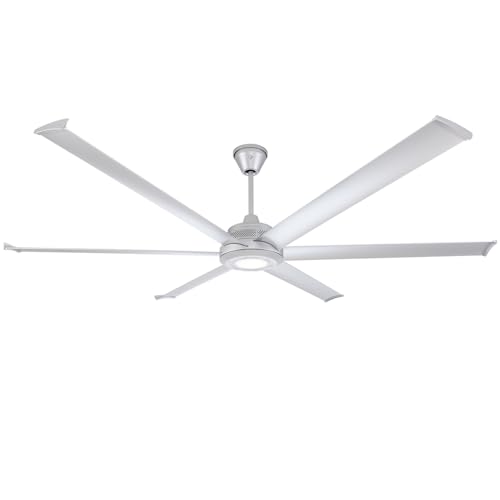
Extreme Outdoor Airflow: Six 84” extruded aluminum blades deliver an incredible 15,683 CFM—ideal for cooling patios, outdoor kitchens, and pavilions with wide, even circulation
Comparison of EPCs and ENERGY STAR Certifications
While evaluating a building’s energy efficiency, it is essential to understand the distinct roles of Energy Performance Certificates (EPCs) and ENERGY STAR certifications. EPC ratings, which range from A to G, assess a property’s energy performance while highlighting its current and potential energy usage and CO2 emissions. Conversely, ENERGY STAR focuses on identifying products that exceed energy performance standards set by the EPA, requiring them to achieve a score of 75 or higher. Obtaining an EPC necessitates an accredited assessor, with costs typically ranging from £65 to £120, while ENERGY STAR products undergo stringent third-party testing. Both certifications promote energy efficiency, yet EPCs emphasize overall building performance, whereas ENERGY STAR certifications target specific appliances and technologies showcasing energy-saving qualities. Additionally, under cabinet lights are an example of energy-efficient technology that can enhance a property’s overall energy performance.
Recommended Products

ELEGANT AESTHETIC - The Kenmore wine cooler sleek black cabinet, combined with a seamless stainless steel door frame & handle, contributes to the sophisticated design of The Kenmore 112 Bottle Slim 18-Inch Wine Cooler. these premium materials enhance durability & complement any decor, making it a stylish addition to any space. the elegant design ensures that the cooler blends seamlessly with various interior styles.

【155 Bottle Capacity – Space for Your Collection】This 24-inch Dual Zone Wine Cooler fits standard kitchen cabinetry—so it can be built in for a seamless look or used freestanding wherever you need it. Inside, it holds at least 155 Bordeaux-style wine bottles (750ml), giving your collection a dedicated home. No more squeezing bottles into the kitchen fridge—your wines have the space they deserve.

24 Inch Dual Zone Wine Cooler with Black Stainless Door
Frequently Asked Questions
Is an EPC Rating of D Good?
A D EPC rating acts like a stepping stone, representing moderate energy efficiency. While it offers some benefits, improving energy efficiency through upgrades can enhance property value, reduce emissions, and reveal government incentives for environmentally conscious landlords.
How to Read an Energy Performance Certificate?
To read an Energy Performance Certificate, one must understand its rating scale, assess improvement options for efficiency, recognize its importance for energy savings, and acknowledge its legal requirements and impact on property valuation.
Which Energy Rating Is Best, a or C?
An A rating offers substantial energy efficiency, often resulting in annual cost savings of hundreds of dollars. Comparatively, C-rated properties may fall short in environmental impact, home value, and compliance with increasing government regulations.
Is It Worth Getting an EPC Certificate?
Obtaining an EPC certificate offers significant benefits, enhancing energy efficiency and property value. It complies with government regulations, meets market demand, and can lead to cost savings, making it a worthwhile consideration for property owners.