As an Amazon Associate, we earn from qualifying purchases. Some links on this site are affiliate links at no extra cost to you. Our recommendations are based on thorough research and editorial judgment.

Dimming Done Right: Smooth Flicker‑Free Setups for Every Room

LED dimmers are essential for achieving flicker-free lighting in various spaces, enhancing both ambiance and energy efficiency. Options range from smart dimmers with remote control to 0-10V models for commercial settings. When selecting a dimmer, verify compatibility with LED bulbs and check wattage ratings. Proper installation is important; document wiring configurations and hire professionals if needed. Tailor dimming solutions for each room to maximize functionality, creating the perfect environment. Further exploration can provide insights into innovative dimming technologies.
Key Takeaways
- Choose compatible LED dimmers and bulbs to prevent flickering and ensure optimal performance in every room.
- Utilize trailing-edge dimmers for smoother dimming capabilities and reduced flicker with modern LED lights.
- Install smart dimmers for remote control and flexibility, enhancing convenience across different living spaces.
- Regularly check wattage ratings to exceed total connected LED wattage, avoiding overheating or damage.
- Adjust dimming levels according to activities, ensuring proper illumination for tasks or relaxation in each room.
Understanding LED Dimmers and Their Benefits
You may be interested



When considering modern lighting solutions, understanding LED dimmers and their benefits becomes vital for optimizing both ambiance and energy efficiency. LED dimmers provide adjustable brightness through varying voltage or pulse frequency, allowing users to customize lighting for different settings and activities. To avoid flickering and enhance energy savings, selecting compatible dimmers with LED drivers is essential. By utilizing dimming systems, users can appreciably reduce electricity consumption—experiencing energy savings of up to 50%. Furthermore, dimming LED lighting not only conserves energy but also extends bulb lifespan by minimizing heat buildup. The ability to create multiple lighting levels appreciably contributes to mood enhancement and functionality in spaces like bedrooms and living rooms, making LED dimmers an invaluable addition to contemporary interiors. Additionally, users should consider options with energy-efficient designs to maximize both savings and illumination quality.
Types of LED Dimmers
LED dimmers, which play a crucial role in modern lighting systems, come in several varieties tailored to different applications and user preferences. Smart dimmers are increasingly popular, utilizing Wi-Fi or Bluetooth technology for remote control via apps, allowing for custom brightness changes. For specific settings, 0-10V dimmers serve commercial spaces, while PWM dimmers cater specifically to LED strip lights. DALI dimmers offer advanced control features for smart or commercial deployments. Additionally, Triac Dimming enables effective dimming of traditional fixtures, yet compatibility with LED drivers remains essential; mismatched systems can cause flickering or buzzing. Homeowners should also consider manual dimmers, as they provide immediate adjustments. Ultimately, it’s advisable to remove the old dimmers and replace them with efficient options that enhance lighting control quality.
Recommended Products

【4 Fan Speeds】 Tailor your airflow to your exact preferences by choosing from four fan speeds for the utmost comfort
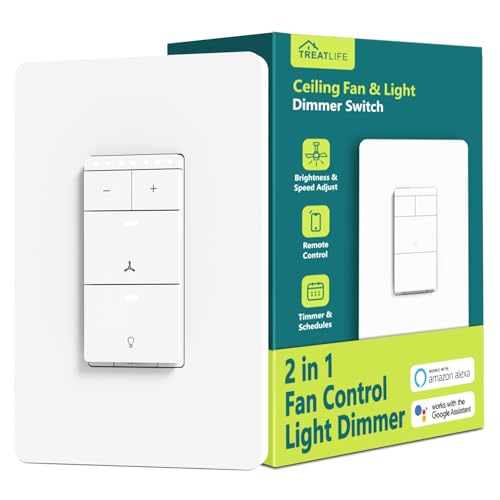
Note Before Purchase: Designed for 2.4GHz Wi-Fi only (5GHz not supported). A neutral wire is required. The wiring setup must include line, ground, fan load, and light load wires, with separate load wires for the fan and light (shared wiring is not supported). The ground wire is positioned separately within the internal wiring layout for structural and safety design purposes and should be properly identified before installation. This switch is designed for single-pole only and is not compatible with 3-way or multi-location setups

MOST CONNECTED: Caseta connects with more leading smart home devices - including Alexa, Apple Home, Google Assistant, Sonos home automation, and more - than any other smart dimmer light switch brand (Lutron Smart Hub, L-BDG2-WH, required)
Factors to Consider When Choosing an LED Dimmer
How can one guarantee that the chosen dimmer harmonizes perfectly with their lighting needs? Compatibility with LED bulbs is essential, as not all LED lights support dimming; using non-dimmable LEDs can lead to flickering or buzzing. To maximize performance, select a dimmer with a wattage rating exceeding the total wattage of connected LEDs, preventing overheating. Matching the dimmer with suitable LED drivers is also critical; constant voltage drivers work best for standard LEDs, while high-power LEDs need constant current drivers. Additionally, consider the preferred control method, whether manual, remote, or smart, to enhance convenience and adapt to specific lighting needs. Regularly monitor the dimmer’s performance and make adjustments to optimize ambiance and efficiency across different activities. A smart dimmer switch can also offer adjustable brightness options, providing enhanced control over lighting setups.
Recommended Products

Multicolored Lighting: The main light of smart ceiling light is RGB+WW, while the back light is RGBIC. With 16 million background colors, the back light enriches the whole house atmosphere. Note: The WW of the main light and back light cannot be on simultaneously.

【Smart Voice Control】ChangM Smart Recessed Lighting 4 inch is compatible with Alexa voice control light. Support one-step connection. Just say "find the device" to the speaker, and then you turn on the ceiling light. A simple conversation can let you turn on and off the lights, set the color of each light, and dim the lights to match your favorite scenes (such as home theater, bathroom, yoga, game room, etc.). Note:Not Work with Google Home HomeKit, Home pod, Matter;Not support any dimmer switch

Smart APP Control: Easily control the ceiling light's switch, brightness, and color remotely through the Tuya APP. Compatible with Alexa and Google Home for voice control, eliminating the hassle of manual switching. 𝐍𝐎𝐓𝐄: 𝐇𝐚𝐫𝐝𝐰𝐢𝐫𝐞𝐝 𝐂𝐞𝐢𝐥𝐢𝐧𝐠 𝐋𝐢𝐠𝐡𝐭, 𝐍𝐨𝐭 𝐁𝐚𝐭𝐭𝐞𝐫𝐲 𝐏𝐨𝐰𝐞𝐫𝐞𝐝
Control Methods for LED Dimmers
The choice of control methods for dimmers greatly impacts the overall lighting experience, as each option offers unique benefits tailored to different lifestyle needs. Manual dimmers provide a straightforward way to control brightness without relying on technology, making them perfect for small, simple spaces. In contrast, remote-controlled dimmers allow users to adjust lighting from any corner of the room, ideal for fixtures that are hard to reach. For a more integrated experience, smart dimmers connect with smartphone apps, enabling customized lighting scenes and remote controls. However, attention to compatibility with LED drivers and dimmer ratings is vital to guarantee smooth, flicker-free performance, preventing common issues like buzzing or flickering when selecting the appropriate dimmer for specific settings. Most dimmers offer versatile compatibility with different bulb types, further enhancing user satisfaction.
Installation Requirements for Dimmers
Before commencing the installation of a dimmer switch, individuals must prioritize safety by confirming the power is turned off at the circuit breaker. Proper installation requirements include documenting the existing wiring configuration, which aids in the seamless adjustment to the new dimmer. Following the provided wiring diagram is vital, as it guarantees correct connections and minimizes the risk of flickering or malfunctioning lights. It’s imperative to verify that the new dimmer switch is a compatible dimmer for the LED bulbs being utilized; compatibility is essential for peak performance. Finally, for hardwired dimmers, hiring a professional electrician is advisable to guarantee compliance with local electrical codes and assure a safe, effective installation. Additionally, ensuring the switch has overheat protection helps enhance safety during operation.
Recommended Products

THE GOLD STANDARD IN DIMMING: Lutron’s advanced technology provides smooth LED dimming used for everyday light bulbs to reduce flicker, buzz, and delay to enhance comfort and ensures consistent dimmer switch reliability across LED lighting

CONVENIENT – Designed to work with ceiling fans with lights. Separate slide controls for fan speed and dimmer

WHEN QUALITY MATTERS: For flicker-free dimming, the Lutron Ariadni dimmer switch is continuously tested with today's LEDs for flicker-free dimming. Visit Lutron's LED compatibility tool to find the LED bulbs perform the best
Ensuring Compatibility Between Dimmer and LED Driver
Successful installation of a dimmer switch sets the stage for a seamless integration with LED lighting, but attention must be given to ensuring compatibility between the dimmer and LED driver. Not all dimmers work effectively with every LED driver; for example, constant voltage drivers suit standard LED bulbs, while constant current drivers are better for high-power LEDs. To prevent flickering, users should check the wattage rating of the dimmer, ensuring it surpasses the total wattage of all connected LED bulbs. Compatibility problems frequently arise when traditional dimmers intended for incandescent bulbs are used. Manufacturers often provide compatibility lists, assisting users in selecting the right dimmers and drivers, enabling ideal performance without flickering or buzzing issues. Choosing wireless dimmer switches with customizable brightness settings can further enhance your lighting experience while ensuring compatibility.
Benefits of Smart LED Dimmers
How can homeowners enhance their lighting experience while maximizing convenience and energy efficiency? Smart LED dimmers offer a compelling solution by enabling remote control and seamless integration with smart home systems. Users can adjust lighting from smartphones or through voice commands, guaranteeing continued accessibility. Remarkably, these dimmers can contribute to energy savings of up to 50%, allowing for a 1:1 energy-saving ratio when used appropriately. With features like customizable lighting scenes, homeowners can create the perfect atmosphere for activities such as reading or entertaining. Furthermore, many smart LED dimmers deliver flicker-free performance and are compatible with various color temperatures. This flexibility guarantees that installations remain efficient and aesthetically pleasing, catering to every room’s unique lighting needs. Additionally, features like voice control compatibility enhance usability, allowing for hands-free lighting adjustments throughout the home.
Recommended Products
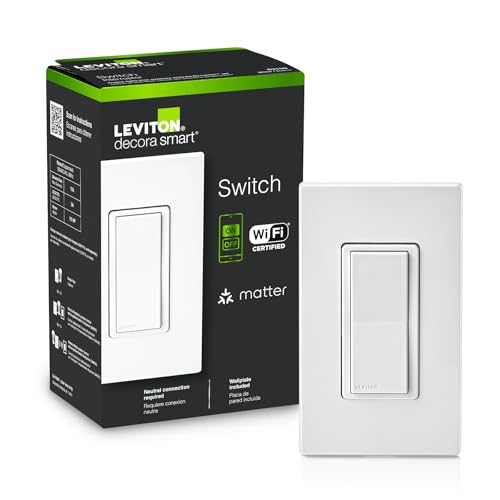
NEVER COME HOME TO A DARK HOUSE AGAIN – Schedule exterior lights to turn on at sunset for added safety, comfort, and convenience

ADD A NEW SWITCH ANYWHERE: Add a new switch location anywhere in under 15 minutes. Simply replace the existing light switch with the Caseta dimmer and mount the Pico remote anywhere you'd like to control the lights. Pico fits in a standard wallplate to blend in with other switches

App-Guided Install: The Kasa or Tapo app guides you through step-by-step setup. Requires neutral wiring and 2.4 GHz Wi-Fi. Consulting an electrician is recommended if you’re unfamiliar with electrical wiring.
Best Practices for Dimming
Smart LED dimmers provide homeowners an unparalleled level of control over their lighting environments, enabling significant adjustments to ambiance and utility. To achieve the finest dimmable lighting setups, it is crucial to use compatible dimmers with a wattage rating higher than the total wattage of connected LED lights. Regular performance assessments help identify flickering or buzzing, often caused by mismatched dimmers or poor-quality LED drivers. Implementing trailing-edge dimmers guarantees smoother dimming and reduces flicker. Additionally, adjusting dimming levels based on activities enhances the experience; brighter light for tasks and softer illumination for relaxation or entertainment creates an ideal environment. Certain dimmer switches, like the Leviton SureSlide Dimmer Switch, support a variety of lighting options, ensuring versatility and optimal performance. Following these practices leads to a reliable, flicker-free lighting control solution that meets modern lifestyle demands.
Common Mistakes to Avoid
While undertaking the enhancement of residential lighting with dimmable options, it is vital to steer clear of common mistakes that can compromise the effectiveness of the setup. One major error is using non-dimmable LED bulbs with an incompatible dimmer, which can lead to flickering and poor performance. It is important to check the manufacturer’s specifications before installing a specific dimmer to confirm compatibility. Additionally, exceeding a dimmer’s maximum wattage can cause overheating, damaging both the dimmer and connected LEDs. Incorrect wiring during installation may also result in power loss or flickering lights. Finally, not testing a single LED bulb before installing multiple fixtures can lead to unforeseen issues, so it is important to adjust brightness settings gradually for peak performance. To further enhance your lighting experience, consider selecting fixtures that provide adequate visibility needs, ensuring a smooth flicker-free setup.
How to Test Your LED for Dimming Capability
Determining whether an LED bulb is suitable for dimming presents an important step for homeowners upgrading their lighting systems. First, check the packaging for a “dimmable” label, as not all LEDs are designed for dimmer use. With a compatible LED dimmer in place, rated for your specific bulb, carefully install the LED bulb into the circuit. Gradually adjust the dimmer settings, noting any flickering in LED brightness; if flickering occurs, a traditional TRIAC dimmer may not suffice. Instead, opt for an LED-specific dimmer. For best results, testing a single LED bulb before connecting multiple fixtures guarantees ideal performance, allowing homeowners to troubleshoot any compatibility issues effectively. This careful approach maximizes the potential of their dimming systems. Additionally, ensure that the LED bulbs have a high Color Rendering Index (CRI) to maintain accurate color production in your living spaces.
Tailoring Dimming Solutions to Different Rooms
Achieving the right lighting for each room in a home requires thoughtful consideration of how dimming options can enhance functionality and atmosphere. In kitchens, using LED dimmers allows bright, functional lighting for cooking while also providing a cozy ambiance for evening gatherings. Bedrooms benefit from soft, ambient lighting, easily dimmed to create a relaxing mood for unwinding before sleep. Living rooms demand adaptable dimming levels to accommodate activities like reading or movie watching. Bathrooms should feature versatile dimming capabilities, shifting from bright clarity during morning routines to softer lighting for relaxation. Finally, offices should implement adjustable LED dimming, responding to natural daylight changes, enhancing focus, and reducing eye strain throughout the workday in today’s smart home environments.
Innovative Dimming Systems and Technologies
As the demand for improved lighting solutions continues to rise, innovative dimming systems and technologies have emerged as essential components for modern home and commercial environments. The Digital Addressable Lighting Interface (DALI) facilitates individual control of multiple LED fixtures, making it perfect for complex lighting needs. Smart LED dimmers, equipped with Wi-Fi or Bluetooth functions, provide remote control, integrating seamlessly with smart home systems. Pulse Width Modulation (PWM) technologies guarantee flicker-free dimming, creating a pleasant atmosphere for users by rapidly switching power on and off. Additionally, wireless dimming systems offer a practical solution for retrofitting, appealing to homeowners seeking flexibility. Trailing-edge dimmers are essential for modern LEDs, reducing flicker and minimizing buzzing associated with older technologies.
Recommended Products
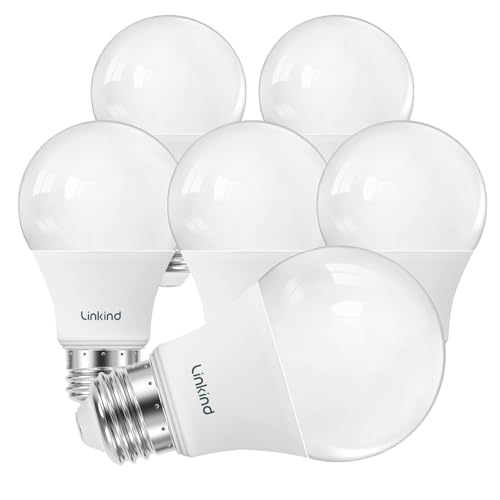
✔ 2700K WARM YELLOWISH LIGHT: The A19 dimmable LED light bulbs give off 800 lumens of 2700k cozy color light. Easy installation with the standard medium screw base E26. NOTE: Please confirm the Kelvin (K) value. This is the most accurate way to select your desired light color. This bulb is 2700K light, which produces a WARM YELLOWISH light. It is not a Bright White or Daylight White bulb. If you prefer a whiter light, please consider our 4000k Cool White or 5000K Daylight options.

QUALITY MADE - The Pendant/Necklace box is made of high-quality rubber baking varnish process, smooth, textured, wear-resistant, dirt-resistant, waterproof. Velvet inside, really very soft to protect your jewelry, hard pendant necklace box will not break during on the way

【Vintage Modern Style】The pendant light kit is made of high quality nylon rope and wood which is more durable than hemp rope without easily breaking or separating.Its vintage design elevates your aesthetic which goes well with any style and color of your decor.Perfect in traditional and industrial homes, bringing a fashion look.
Frequently Asked Questions
How to Dim LED Without Flickering?
Dimming LEDs without flickering resembles tuning a musical instrument. Effective dimming techniques, quality LED drivers, compatible dimmers, and suitable dimmer types enhance energy efficiency and guarantee load compatibility, promoting a harmonious, flicker-free lighting environment.
Which Dimming System Provides Color Changing Ability and Operates Without Flickering?
Smart lighting options, including wireless dimming solutions and color tuning technology, offer flicker-free operation. Ensuring LED compatibility concerns are addressed can enhance energy efficiency benefits, with proper installation tips further optimizing performance for seamless color-changing capabilities.