As an Amazon Associate, we earn from qualifying purchases. Some links on this site are affiliate links at no extra cost to you. Our recommendations are based on thorough research and editorial judgment.

Safe Holiday Lighting: Loads, Timers, and Weatherproofing

Safe holiday lighting involves understanding electrical loads, using timers for convenience, and selecting weatherproof products. Typical household circuits can support 15 to 20 amps, translating to about 1,500 to 1,800 watts, so monitoring total wattage is vital to prevent overload. Timers, including photo cell options, enhance safety and efficiency. Opt for weatherproof, UL Listed lighting and outdoor-rated accessories to guarantee durability. With careful planning, festive displays can shine brightly and safely this holiday season, and there are more insights to explore.
Key Takeaways
- Ensure your holiday lighting does not exceed 80% of your circuit’s capacity to prevent overload, ideally staying under 1,440 watts on a 15-amp circuit.
- Use timers with programmable features to enhance safety and automate your lighting display for energy efficiency during the holiday season.
- Choose outdoor-rated, weatherproof lights and accessories, ensuring all components are UL Listed for safety compliance and reliable operation in wet conditions.
- Select LED lights for long lifespan and energy efficiency, reducing the frequency of replacements and minimizing heat production to enhance safety.
- Maintain installation height of at least 2 feet above ground for outdoor decorations to maximize protection against moisture and risk of electric shock.
Understanding Electrical Loads and Safety Limits
When planning to illuminate a home for the holidays, understanding electrical loads and safety limits is vital for a safe and enjoyable experience. Households usually operate on circuits that manage 15 to 20 amps, allowing for a safe wattage range of approximately 1,500 to 1,800 watts. To guarantee safety, it’s wise to use no more than 80% of that capacity, which is about 1,440 watts on a 15-amp circuit. When choosing holiday lighting, remember that a 100 LED mini light strand typically consumes only 5 to 10 watts, while the same number of incandescent lights may exceed 40 watts. Monitoring total wattage during installation is essential to prevent overloading circuits, which can lead to dimming lights or overheating cords. Additionally, consider using energy-saving features that help reduce electricity costs and enhance safety during the festive season.
The Importance of Timers in Holiday Lighting
Timers play an essential role in enhancing the safety and efficiency of holiday lighting displays, ensuring that homeowners can enjoy the festive atmosphere without the risk of circuit overloads or excessive energy consumption. Importantly, timer features include the ability to schedule outdoor lighting with up to 24 ON/OFF options daily, which maximizes automation and security. Additionally, photo cell timers automatically turn lights on at dusk and off at dawn, promoting energy efficiency effortlessly. For those who prefer simplicity, mechanical timers like the HBN Outdoor Timer provide user-friendly operation via a dial. These devices also manage multiple lighting arrangements through two grounded outlets, ensuring consistent power distribution and preventing overloads, essential for extensive holiday setups. Incorporating auto-off features into lighting designs can further enhance energy conservation and safety during the holiday season.
Recommended Products

Solid Brass Construction - The Gardenreet landscape spotlight and path light with solid die-cast brass construction is more durable and reliable than aluminum and plastic fixtures; bronze landscape lights will not rust, age, or peel over time and last a lifetime with a single installation.High-end brass finish, Classical glossy colors that shine in the light and make you win the praise and envy of neighbors.

COMPLETE PATH & AREA LIGHTING KIT - Includes six (6) solid cast brass Max Spread path lights, one (1) premium 150-watt high performance transformer designed for LED landscape lighting, six (6) RGBCW 3.5W G4 Bi-Pin LED bulbs, one (1) RF encypted remote control, one (1) Pro Junction Hub that uses clamp-type connectors, one (1) conduit, 100 feet of direct burial cable and six (6) easy-install Hammer Stakes. Everything you need for a professional landscape lighting system, bundled for additional savings!

Solid Brass Construction - The Gardenreet landscape path light with heavy duty solid die-cast brass construction is more durable and reliable than aluminum and plastic fixtures; bronze landscape lights will not rust, age, or peel over time and last a lifetime with a single installation.High-end brass finish, Classical glossy colors that shine in the light and make you win the praise and envy of neighbors
Choosing Weatherproof Lighting and Accessories
Choosing weatherproof lighting and accessories is essential for guaranteeing a safe and visually appealing outdoor holiday display, particularly in regions prone to inclement weather. When selecting outdoor lighting, always choose products marked as weatherproof or waterproof; these withstand rain and snow. Additionally, opt for outdoor-rated extension cords and power strips designed to handle electrical loads without overheating during holiday decorating. To automate lighting schedules, use outdoor-rated timers, guaranteeing they are moisture-resistant. Maintain a minimum installation height of 2 feet above ground for outlets, enhancing waterproofing against flooding risks. Finally, verify that all wiring and components are UL Listed for safety compliance, meeting necessary outdoor usage standards. Prioritizing these factors guarantees a secure and festive environment throughout the season. Consider investing in high-efficiency solar lights that enhance security while reducing energy costs.
Recommended Products

The Tallest of the PURPLE LEAF Pergolas: This creates a grand, open atmosphere with ample space for gatherings. It is perfect as a standalone piece or an extension for dining, outdoor furniture, hot tubs, or kitchens/bars.

Upgrade Yarn-dyed Curtain: Made with advanced techniques, our upgraded fabric offers strong fade resistance for at least 2 years and stays intact even after a month in extreme conditions.

Heavy Duty & Durable Design – Crafted from premium spruce wood and reinforced with a double metal roof, this permanent gazebo offers long-lasting stability and structural strength for your outdoor space all year round
Calculating Your Total Wattage for Displays
Accurate calculations for total wattage are essential when planning an impressive holiday lighting display. To determine your total wattage, begin by checking the wattage rating on each light strand’s packaging. For example, a standard 100 LED mini light strand uses about 5 to 10 watts, while 100 incandescent mini lights may exceed 40 watts. Multiply the wattage of each type by the number of strands used in your holiday displays. Always remember to adhere to a maximum of 80% of your circuit’s total capacity to prevent electrical overload; for a 15-amp circuit, this is approximately 1,440 watts. Regularly monitor your total wattage throughout installation to guarantee a safe, compliant, and dazzling display this season. Additionally, consider using energy-efficient bulbs to help reduce your overall wattage consumption during the holidays.
Maximizing Safety With Proper Installation Techniques
Proper installation techniques are essential for ensuring a safe and visually stunning holiday lighting experience. For the holiday season, it is advisable to install outdoor timers and outlets at least two feet above ground, ensuring they are vertically aligned for proper waterproofing. Selecting weather-resistant, UL-listed power strips and extension cords specifically rated for outdoor use can greatly reduce electrical hazards. All equipment, including timers, should feature durable, waterproof materials to endure harsh weather. Regularly check the wattage of each lighting strand to avoid exceeding safe limits of 1,500 to 1,800 watts. Employing professional installation can enhance safety while providing an impressive display, keeping an eye out for warning signs such as flickering lights or hot cords throughout the process. Additionally, ensuring that your lights are weather-resistant will help prevent damage from rain and snow.
Preventing Overload: Signs and Solutions
While enjoying the festive charm of holiday lighting, it is crucial to recognize the signs of electrical overload, which can lead to hazardous situations. Flickering or dimming lights may indicate that the circuit’s capacity is being exceeded, while frequent circuit breaker trips often suggest too many devices are connected to a single circuit. In addition, a burning smell near outlets is a serious warning signal requiring immediate attention. Hot extension cords, too, indicate an overload condition that must be addressed by disconnecting them from the power source. To maintain safety and prevent overload, users should calculate the total wattage of their connected devices, making sure it remains below 80% of the circuit’s rated capacity. These safety tips can greatly reduce potential dangers. Installing motion sensor lights can further enhance outdoor lighting safety by reducing the need for excessive holiday decorations.
Recommended Products
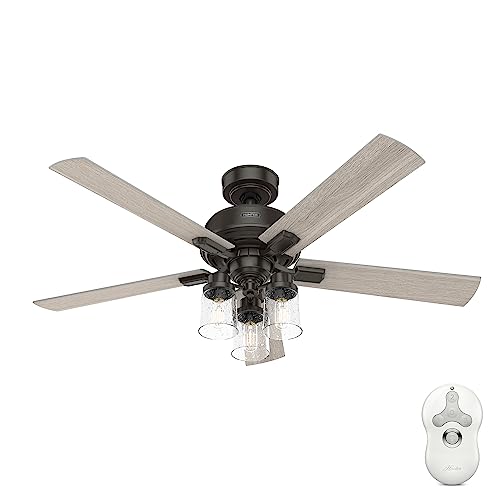
CEILING FAN WITH LIGHTS: The Hartland includes energy efficient LED bulbs to deliver bright, reliable lighting for everyday comfort and visibility throughout the home

CEILING FAN WITH LIGHT: The Loki includes energy efficient LED bulbs to deliver bright, reliable lighting for everyday comfort and visibility throughout the home

Efficiently Cool Large, Indoor Rooms: This 62 inch indoor fan is ideal for indoor spaces larger than 400 sq. ft., such as living rooms, master bedrooms, offices, and studios; In winter, reverse this fan's direction to circulate warm air on low speed
Tips for Using Extension Cords and Power Strips
When enhancing holiday decor with lights, using extension cords and power strips properly is essential for guaranteeing safety and convenience. First, select extension cords rated for a higher amperage than your expected electrical draw, preventing overheating. For outdoor conditions, always choose outdoor-rated extension cords, designed to withstand moisture and resist abrasion. To avoid overload, refrain from chaining multiple extension cords together, as this raises the risk of voltage drops. Confirm power strips have built-in surge protection, safeguarding lights and decorations against voltage spikes. Regularly inspect cords for wear, such as fraying or exposed wires, replacing any damaged cords immediately to maintain safety. Additionally, consider incorporating timers to automatically manage lighting schedules, promoting energy efficiency during the festive season. Using motion sensors can also help ensure that your lights are only activated when needed, enhancing both safety and energy conservation.
Recommended Products
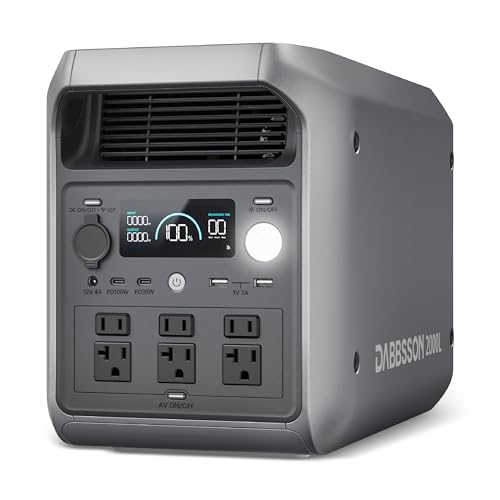
【1.3X Longer Runtime & Lightweight Compact Design】Provides 1.3x longer runtime than comparable 2048Wh stations for all-day off-grid use. At only 41lb, it’s compact and easier to carry/store than most high-capacity stations, versatile for camping, RV, home emergency, and job sites.

HEAVY DUTY DESIGN FOR CRITICAL POWER TASKS: Built with a rugged 10/3 SJOOW cable jacket, this heavy duty power cord supports reliable energy transfer for server racks, data centers, generators, or transfer switches in commercial or industrial environments.

Fast & Adjustable Charging: Up to 9.6 kW (37 mph), 7x faster than Level 1, with 5 current levels (16/20/24/32/40A) to match home capacity, plus 1–12H timing delay for off-peak charging, reducing costs and easing range anxiety
Benefits of Upgrading to LED Lighting for the Holidays
Upgrading to LED lighting for the holidays offers a range of benefits that can greatly enhance both decoration and safety. LED Christmas lights consume up to 75% less energy than traditional incandescent bulbs, considerably lowering electricity costs during the festive season. With a remarkable lifespan of up to 25,000 hours, these lights reduce replacement frequency and waste. In addition, LED bulbs emit minimal heat, lowering fire hazards, especially when used for prolonged periods. Many options include programmable settings and vibrant colors, allowing for a customizable holiday display. Moreover, their durable, weather-resistant design makes them suitable for outdoor use, particularly when paired with GFCI outlets to guarantee safe operation. Choosing LED lighting is a practical and stylish decision for holiday decorating. Additionally, LED bulbs are eco-friendly and free of lead and mercury, making them a more environmentally conscious choice for your holiday decor.
Recommended Products

COMMERCIAL-GRADE CONSTRUCTION: 14AWG SJTW 2-wire light string in 330-foot bulk reel ready for large-scale projects

Upgraded Festive Lighting: The new anti-glare lens design reveals a better triangular lighting effect. Choose from 75 scene modes and 16 million colors to light up your home with RGBWWIC patio lights outdoor for every occasion

FESTIVE LIGHTING: Commercial outdoor Christmas decorations take a festive leap with this 250-foot C9 Christmas stringer bulk reel, sized to immerse your entire home in the holiday spirit.
Frequently Asked Questions
Are Christmas Light Timers Safe?
Christmas light timers are considered safe when used according to safety standards. With timer features designed to manage electrical loads effectively, they minimize risks like overheating and circuit overloads, promoting secure operation of holiday lighting displays.
How to Keep Christmas Lights From Shorting Out in the Rain?
To prevent Christmas lights from shorting out in the rain, one must prioritize waterproof lighting and outdoor cords. Careful inspection, proper sealing, and the use of GFCI outlets can safeguard against unexpected electrical mishaps.
How to Keep Christmas Lights From Tripping GFCI When It Rains?
To prevent Christmas lights from tripping GFCI outlets in rain, use moisture resistant plugs and guarantee outdoor extension cord safety. Elevate electrical components, check for damage, and monitor total wattage to avoid overloads.
What Is the Maximum Time Period Allowed for Temporary Outdoor Holiday Decoration Lighting for Residences?
Temporary lighting regulations typically permit outdoor holiday decorations for 30 to 45 days, varying by municipality. Residents must guarantee holiday decoration safety by adhering to these time limits to avoid potential fines and maintain neighborhood aesthetics.