As an Amazon Associate, we earn from qualifying purchases. Some links on this site are affiliate links at no extra cost to you. Our recommendations are based on thorough research and editorial judgment.

Porch and Patio Bug‑Wise Lighting: Spectrum Choices That Attract Less

Insects are primarily attracted to light due to their reliance on natural navigation. To create bug-wise porch and patio lighting, choose warm-colored LED bulbs, yellow bug lights, and sodium vapor lights, which minimize insect attraction considerably. Position lights to shine downward and limit exposure to sitting areas. Additionally, consider low-intensity options to further decrease bug presence. Understanding these important factors can greatly enhance outdoor experiences while maintaining comfort and ambiance as you explore effective lighting solutions.
Key Takeaways
- Choose warm-colored LED bulbs below 3000K to effectively reduce bug attraction by around 50%.
- Utilize yellow bug lights, as their wavelengths are less visible to most insects, deterring them effectively.
- Install sodium vapor lights for their monochromatic yellow glow, which is nearly invisible to flying bugs.
- Position lights downward away from seating areas to minimize light exposure and decrease insect attraction.
- Regularly maintain fixtures to prevent UV leaks and ensure optimal performance in repelling insects.
Why Are Bugs Attracted to Light
You may be interested

Why are bugs irresistibly drawn to light? Many flying insects display positive phototaxis, instinctively gravitating toward various light sources. This behavior can disrupt their natural navigation, which typically relies on celestial bodies. Artificial lights emit wavelengths that confuse these insects, causing them to spiral around rather than maintain a straight flight path. Additionally, insects are particularly sensitive to ultraviolet (UV) light, responding to it as a vibrant beacon that enhances their attraction. Although some insects, like cockroaches, avoid light altogether, the reasons for this positive phototaxis remain uncertain. It likely connects to their navigation strategies and sensory adaptations, underscoring the complex interplay between light and insect behavior in outdoor spaces. Understanding this phenomenon is essential for effective bug-wise lighting design. Incorporating energy-efficient LED lights can help minimize insect attraction while providing adequate illumination for outdoor areas.
Types of Outdoor Lights That Don’t Attract Bugs
To create an inviting outdoor space while minimizing insect attraction, carefully selecting the right lighting is essential. Warm-colored LED bulbs, specifically those with a color temperature between 2000K and 3000K, produce a warm white light that reduces attraction by about 50% when compared to cooler options. Yellow bug lights offer an effective solution, emitting a yellow-orange glow that helps deter most insects, allowing for comfortable evenings outdoors. Sodium vapor lights, known for their monochromatic yellow illumination, are nearly invisible to flying bugs, greatly lowering attraction. Additionally, red lights are ideal where excess brightness isn’t needed, while halogen lights with yellow filters combine warm lighting with reduced insect allure, creating an enjoyable outdoor ambiance. To enhance efficiency and savings, consider solar-powered options that can help illuminate your space without attracting unwanted pests.
Recommended Products

Keep the Bug Away - The yellow bug light bulbs emit an amber yellow light to help you stay cool in the summer and the amber yellow lighting can keep bugs away, perfect for your porch, patio, decks, or general outdoor use.

AUTO ON/OFF WITH: Dusk to dawn bug light bulbs, built-in photoelectric sensor that automatically turns on at sunset and off at sunrise by detecting sunlight.

Bug Lights for outside:2000K Bug light bulbs gives off amber lighting, keeps insects out while lighting up your porch or patio, make your summer night cool quiet and comfortable.
How to Choose the Right Bug-Repellent Lights
When selecting bug-repellent lights for outdoor spaces, it is essential to contemplate several factors that influence insect attraction and overall ambiance. Opt for warm-colored LED bulbs with a color temperature below 3000K, as they emit yellow light that attracts up to 50% fewer bugs compared to cooler tones. Additionally, consider investing in yellow bug lights, specifically designed to emit wavelengths that are less visible to pests. Sodium vapor lights also produce monochromatic yellow light, which is nearly invisible to insects. For effective bug-repelling, install lights that radiate downwards and position them away from seating areas. Enhance control by using motion sensors or timers, limiting light usage during non-essential hours to reduce insect attraction further. Incorporating warm white lights in your landscape will not only improve visibility but also create an inviting atmosphere while minimizing bug attraction.
Recommended Products
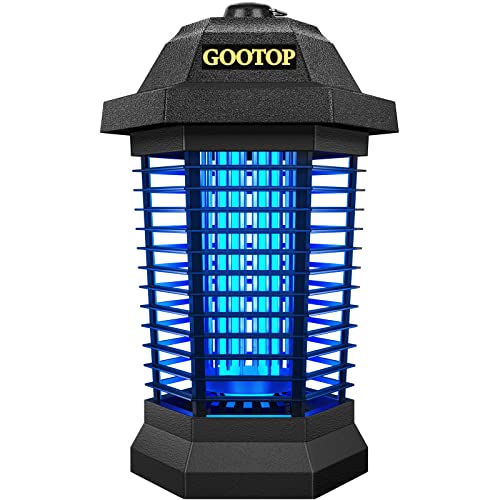
Effectively eliminate most flying insects: Mosquito, Aedes, gnats, midges, flies, fruit flies, house flies, horse flies, moths, wasps, etc. Please use this exterminator at night and in the dark.
![KQHBEN LED Yellow Bug Light Bulbs - [ 4 Pack ]- 9W(60W Equivalent) E26 Base 2000KAmber Bulb for Outside Porch, Non-Attracting, Not-Dimmable Bulb for Patio, Backyard, Hallway](https://m.media-amazon.com/images/I/315NkMj++kL._SL500_.jpg)
Festivals Decorative Colored light Bulbs - It is mostly decorated for holiday, events, parties and festivals lighting - Christmas Halloween Weeding, And places like bars,stage,restaurant and more. Great Atmosphere Creator.

✔ COZY BUG FREE ATMOSPHERE: Giving sufficient illumination and keeping the bugs away, makes this light bulb perfect for patios, terraces, walkways and even for camping
Bonus Tips – How to Get Rid of Bugs Attracted to Light
Effectively managing the presence of bugs attracted to light can greatly enhance outdoor enjoyment and comfort. One effective strategy involves dimming outdoor lights or utilizing low-intensity LED sources, as these can greatly reduce insect attraction. Additionally, applying yellow insulation tape to white lights creates a warm amber hue, effectively deterring bugs. Strategically placing multiple light sources around the patio helps disperse light, diminishing concentrated bug activity in any single area. Regular maintenance of outdoor fixtures guarantees peak performance by preventing UV leaks and keeping lights clean. Finally, using downward-facing fixtures limits light reach, thereby reducing bug attraction while still providing sufficient illumination for outdoor activities. Implementing these measures can create a more enjoyable outdoor environment, and weather resistance ratings should also be considered to ensure long-lasting lighting solutions.
Why Some Bugs Are Attracted to Light
While the allure of artificial lights may seem benign, the underlying reasons why some bugs are drawn to them reveal a complex interplay of instinct and navigation. Many flying insects exhibit positive phototaxis, meaning they naturally seek light for navigation. Nocturnal insects, in particular, rely on celestial cues, such as the moon, which can lead to confusion when artificial lights disrupt their flight path. Additionally, the light spectrum emitted by artificial sources, especially those rich in ultraviolet (UV) light, enhances insect attraction, making buzzing insects more prone to swarming. The brightness and heat from these lights can overwhelm their sensory systems, further increasing attraction. Understanding these factors can help in designing lighting that minimizes unwelcome insect encounters around porches and patios. Moreover, incorporating outdoor fixtures with low UV emissions can significantly reduce the likelihood of attracting these pests.
Why Yellow Bug Bulbs Are a Good Idea
Artificial lights can considerably disrupt the natural navigation of flying insects, leading to unwanted swarming around porches and patios. Yellow bug bulbs are an effective solution, emitting longer light wavelengths that are less visible to most insects. This reduced visibility means these lights attract fewer bugs compared to traditional white light sources, which can lead to a 50% reduction in insect presence. Insects primarily perceive dark and light contrasts, rendering yellow light less appealing due to its longer wavelengths. Additionally, yellow compact fluorescent lights (CFLs) provide energy efficiency and lower heat output. By strategically placing yellow bug bulbs, homeowners can create well-lit areas that enhance outdoor enjoyment while keeping pesky flying insects at bay. Moreover, similar to energy-efficient models, these bulbs help reduce overall energy costs.
Other Lighting Factors to Consider
When considering outdoor lighting for porches and patios, several critical factors can considerably influence insect attraction and overall ambiance. The heat output of lighting greatly affects bug presence; high wattage halogen and incandescent bulbs can attract more insects flying. In contrast, compact fluorescent lights (CFLs) offer energy efficiency with less heat and reduced bug attraction. Additionally, warmer light bulbs below 3000K create a cozy atmosphere while being less attractive to insects. It’s also essential to choose lighting that emits minimal ultraviolet (UV) light, as many LEDs do. Finally, outdoor lighting design should include strategic placement away from seating areas, downward angling, and fixtures that limit light spread, ultimately creating a more inviting space and deterring unwanted pest visitors. Furthermore, selecting smart dimmer switches can enhance outdoor lighting control and reduce unwanted brightness, contributing to an even more pleasant outdoor experience.
Recommended Products

BesLowe Outdoor Lighting: BesLowe is a brand dedicated to exterior lighting fixtures. This outdoor pendant light fixture is paired with our top-selling outdoor wall sconces, creating a cohesive and stylish outdoor lighting scheme. Ideal for porches, entryways, or gardens, this combination delivers a harmonious and modern look that enhances your home’s curb appeal

☑[Multifunctional outdoor waterproof hanging light]:This [waterproof pendant light with plug] meets SJTW standard - round hard service cord. Thermoplastic structure. 110V-240V universal, weatherproof, suitable for outdoor use. PVC socket creates a tight weatherproof seal around the bulb. IP65 waterproof rating to withstand rain, snow, etc. No matter what the weather, this powerful string light is ready for anything.

Premium Materials: Features a die-cast aluminum body for superior waterproof, rust & corrosion resistance, paired with a thickened water ripple glass shade for beautifully diffused lighting.
Warm and Cool “White” LEDs Also Work
Warm and cool “white” LED lights offer unique advantages for outdoor lighting while effectively minimizing insect attraction. Warm white LEDs, typically around 3000K, emit a yellow tint that is less appealing to insects compared to cooler, bluer light temperatures. In addition, cool LED lights produce less heat and little to no UV light, both of which deter many flying pests. By reducing heat output and strategically selecting LED color temperature, homeowners can enjoy enhanced illumination while keeping bugs at bay. Switching from higher Kelvin bulbs to warm white LEDs can greatly diminish insect presence, creating a more comfortable environment for evening activities. Choosing the right lighting is essential for creating enjoyable and insect-free outdoor spaces. Many LED strip lights, such as RGB LED Strip Lights for Bedroom, provide excellent customization options for both ambiance and utility.
Frequently Asked Questions
What Type of Outdoor Light Doesn’t Attract Bugs?
Low-wattage halogen lights, warm-colored LED options, and sodium vapor fixtures create an inviting outdoor ambiance while minimizing insect behavior. Their yellow-orange spectrum greatly reduces bug attraction, ensuring a more pleasant experience outdoors with fewer flying pests.
What Color Light Is Least Likely to Attract Bugs?
In the great scheme of lighting design, yellow light effectiveness shines bright, as it substantially reduces insect attraction behaviors. Choosing warm tones, like yellow, can be a clever tip for outdoor spaces seeking tranquility.
What Color Porch Light Keeps Bugs Away?
Yellow, amber, or red porch lights effectively repel insects due to their longer wavelengths. For ideal results, combine these colors with strategic porch light placement and outdoor lighting tips to further minimize bug attraction.
What Color Light Makes Insects Go Away?
Ironically, while blue wavelengths attract insects, opting for warmer light tones like amber or yellow enhances outdoor comfort by deterring pests. This surprising shift in lighting can greatly influence insect behavior and create a more pleasant environment.