As an Amazon Associate, we earn from qualifying purchases. Some links on this site are affiliate links at no extra cost to you. Our recommendations are based on thorough research and editorial judgment.

Modern Vs Contemporary Lighting: Key Visual Differences

Modern lighting emphasizes simplicity and functionality, showcasing clean lines, geometric shapes, and neutral color palettes using materials like steel and glass. In contrast, contemporary lighting celebrates eclecticism, integrating bold colors, unique forms, and smart technologies for personalized design experiences. While modern fixtures suit mid-century and minimalist styles effectively, contemporary designs enhance artistic expression in eclectic spaces. Understanding these visual differences informs thoughtful choices for interior design, guiding readers toward effective integration of lighting styles in their homes. More insights await.
Key Takeaways
- Modern lighting features clean lines and geometric shapes, while contemporary lighting embraces fluid shapes and eclectic styles.
- Materials for modern lighting often include steel, chrome, and glass in neutral colors, contrasting with contemporary’s vibrant colors and diverse materials.
- Modern designs prioritize functionality and minimalism, whereas contemporary designs focus on artistic expression and bold contrasts.
- The timeless appeal of modern lighting complements minimalistic interiors, while contemporary lighting suits eclectic and dynamic spaces.
- Modern fixtures emphasize energy efficiency and practicality, while contemporary designs frequently incorporate smart technology for enhanced functionality.
Defining Modern Lighting
Modern lighting represents a pivotal shift in design philosophy, emerging from the Modernism movement that spanned from the late 19th century to the 1970s. This style prioritizes functionality and minimalism, showcasing modern lighting fixtures characterized by clean lines and geometric shapes. The focus on design simplicity allows for a more pronounced aesthetic appeal, making these fixtures suitable for various interior environments, including mid-century modern and minimalist styles. Common materials like steel, chrome, glass, and wood often incorporate natural colors and earth tones. The rigid definitions and minimal ornamentation of modern lighting result in designs that are easily recognizable, standing out for their timeless appeal. This approach encourages thoughtful selections that enhance overall interior design while serving practical lighting needs. Additionally, modern designs often incorporate LED strip lights to provide versatile illumination options, further blending function with style.
Defining Contemporary Lighting
Contemporary lighting embodies a dynamic and ever-changing design approach that resonates with current aesthetic trends. Its hallmark is the fluidity of contemporary design, merging various lighting styles that reflect innovation. Unlike modern style, which follows strict historical guidelines, contemporary lighting emphasizes artistic expression, allowing for eclectic combinations of unique shapes and materials like glass, steel, and natural fabrics. This design trend often incorporates vibrant colors that create striking contrasts against neutral palettes, enhancing visual impact. In addition, contemporary lighting frequently integrates smart technologies, offering improved control and energy efficiency in today’s living spaces. Homeowners are encouraged to explore these current options to find stunning fixtures that redefine their environments and celebrate individuality. The use of dimmable recessed lighting can significantly enhance the ambiance of contemporary spaces.
Historical Context of Modern Lighting
Emerging from a significant cultural and artistic movement, the historical context of lighting design can be traced back to the late 19th century, where fundamental shifts began to take shape. This period gave rise to modern lighting, heavily influenced by modern design philosophies from the German Bauhaus schools and Scandinavian trends. Characterized by geometric shapes and clean lines, modern lighting emphasizes minimal ornamentation, utilizing materials such as steel, chrome, and glass. The prevailing “less is more” philosophy prioritizes practicality and cohesive design over decorative excess. This shift was a direct reaction against ornate styles of lighting, reflecting the era’s significant social and technological changes, and redefining aesthetic values for a new age of functional elegance. The focus on energy efficiency in modern designs further highlights the evolving priorities in lighting that cater to both aesthetics and environmental sustainability.
Evolution of Contemporary Lighting
As design trends continue to evolve, lighting has increasingly become a reflection of diverse styles, allowing for a unique fusion of aesthetics and functionality. The evolution of contemporary lighting showcases an eclectic mix that draws from various historical design styles, making it suitable for any modern home. Fluid shapes, bold textures, and innovative materials are defining features, enabling artistic expression and individualism. Incorporating smart technology is also a hallmark, enhancing functionality and adaptability in contemporary settings. Designers now have the freedom to experiment with the latest trends, including vibrant colors and unconventional forms. This constant evolution enables contemporary lighting to remain relevant and aspirational, serving as a dynamic medium for both designers and consumers. Additionally, the integration of features such as advanced dimming technology showcases the growing trend towards energy efficiency and user convenience in modern lighting solutions.
Key Characteristics of Modern Lighting
Modern lighting design stands out for its commitment to simplicity and functionality, reflecting the core principles of the Modernism movement that emerged in the late 19th century. This style emphasizes clean lines and minimal ornamentation, which are essential for creating a visually pleasing environment. Fixtures typically use materials such as steel, chrome, glass, and wood, often adorned with earthy color palettes to enhance a space’s warmth. Geometric shapes are a hallmark of modern lighting, offering a focus on clarity and simplicity in form. By incorporating these design elements, modern lighting achieves a timeless aesthetic that prioritizes practical illumination while maintaining an understated elegance, making it a compelling choice for both functional and decorative purposes in various settings. Additionally, many modern fixtures, like energy-efficient options, contribute to reducing electricity costs in contemporary homes.
Key Characteristics of Contemporary Lighting
Contemporary lighting serves as a vibrant expression of current design sensibilities, characterized by its fluid forms and dynamic lines. This design style emphasizes artistic expression by blending various contemporary styles, which often incorporate eclectic shapes and colors. Unlike the geometric rigidity associated with modern lighting, contemporary fixtures frequently encompass bold shapes and rich, vibrant hues set against neutral backgrounds, creating striking visual contrasts. The materials used, ranging from sleek metals like steel and copper to delicate glass and natural fabrics, enhance their aesthetic appeal. As contemporary lighting continuously evolves with current trends, it remains a versatile choice for modern interiors, catering to diverse tastes while reflecting cultural shifts and amplifying the uniqueness of any space. Moreover, adjustable floor lamps exemplify this adaptability by providing both customizable lighting and functional design elements for different activities.
Common Materials Used in Modern Lighting
The choice of materials in lighting design greatly influences both aesthetics and functionality, especially within the domain of modern lighting. Commonly utilized materials include steel, chrome, and glass, which echo early 20th-century industrial influences. Additionally, wood and polished metals are prominent, lending warmth to the minimalist design aesthetic. Earthy colors and natural palettes in these materials strengthen the clean, functional appeal of modern lighting fixtures. Geometric shapes often incorporate these materials, reflecting simplicity and cohesive design principles. The careful combination of durability and aesthetic value in modern lighting makes it suitable for various interior styles, from industrial lofts to sleek urban apartments. Designers should consider these materials to enhance overall ambiance and functionality in modern spaces, as adjustable height features can further optimize the installation in different environments.
Recommended Products

MODERN DESIGN – This ET2 Lighting pendant delivers a refined, contemporary look that elevates any room in your home with timeless design appeal.

MODERN DESIGN – This ET2 Lighting pendant delivers a refined, contemporary look that elevates any room in your home with timeless design appeal.

SCULPTURAL CENTREPIECE — The Paget unites 9 LED lights across a 20-inch chrome chandelier frame in a transitional, considered composition. A chrome multi-light chandelier sized to anchor a dining room or entryway.
Common Materials Used in Contemporary Lighting
A diverse palette of materials characterizes contemporary lighting design, reflecting the current trends and aesthetic preferences of today’s interiors. Glass is often favored for its ability to confer lightness and transparency, making it a staple in many contemporary fixtures. Additionally, sleek metals like steel, nickel, and copper imbue lighting pieces with an industrial edge, enhancing their modern appeal. Natural materials, such as wood and textiles, introduce warmth and balance against polished components, creating an inviting atmosphere. Designers also lean towards neutral palettes to guarantee flexibility in blending these materials into various settings. By skillfully combining glass, metal, and natural elements, contemporary lighting achieves a unique artistic expression that aligns with current tastes and preferences. Pendant lights, such as those with frosted glass shades, exemplify the blend of functionality and style in contemporary design.
Recommended Products

Ten Light Chandelier from the Dunkirk collection

LUNA CHANDELIER DIMENSIONS: 54" High (Adjustable Height: 54.50" to 174.50") x 45" Wide, Ceiling Canopy: 6.7" x 6.7" x 1.25"; Weight: 149.49 lbs.

Aesthetic Focus: Minimalism vs. Eclecticism
Emphasizing a distinct aesthetic focus, minimalism and eclecticism present two contrasting yet complementary approaches to lighting design. Modern lighting primarily embraces minimalism, featuring clean lines, geometric shapes, and a refined functionality. Materials such as steel, chrome, and glass in neutral colors exemplify this streamlined aesthetic. In contrast, contemporary lighting celebrates eclecticism by integrating diverse styles, vibrant colors, and unique shapes, reflecting current trends and artistic expression. While modern lighting adheres to a cohesive and timeless appeal, contemporary lighting’s dynamic combinations and visual contrasts infuse individuality into a space. This evolution mirrors ongoing artistic movements, making eclectic pieces must-haves for those wishing to personalize their environments. Ultimately, each style offers designers and homeowners distinctive pathways to enhance their lighting choices effectively. Furthermore, energy-efficient designs, such as LED task lamps, cater to both stylistic trends and practical needs, making them ideal for modern and contemporary spaces.
Recommended Products

SWANK COLLECTION – Part of the Swank Collection, this pendant pairs a polished chrome finish with quality aluminum + steel + acrylic construction for a refined, design-forward statement that elevates any room.

Aluminum extruded body with composite diffuser. Can be mounted on a slope ceiling.
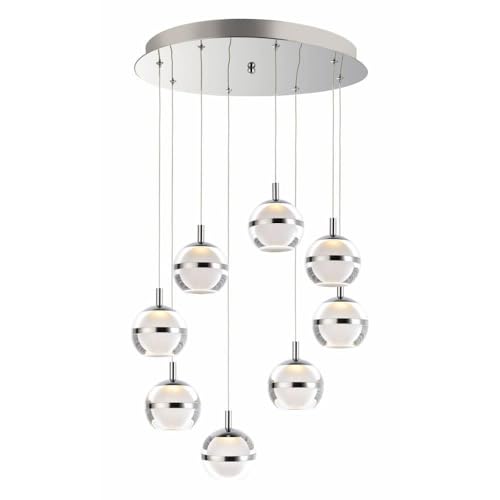
MODERN DESIGN – This ET2 Lighting pendant delivers a refined, contemporary look that elevates any room in your home with timeless design appeal.
Choosing the Right Style for Your Home
Choosing the right lighting style for a home requires careful consideration of various factors, including architectural elements, personal preferences, and desired ambiance. Homeowners should recognize that modern lighting complements mid-century and minimalist designs effectively, while contemporary lighting thrives in eclectic spaces. Evaluating personal taste is vital; modern lighting appeals to those valuing clean lines and functionality, whereas contemporary lighting invites artistic expression. Additionally, it’s important to measure how lighting affects mood; modern fixtures offer timeless elegance, while contemporary designs introduce a vibrant atmosphere. Ensuring harmony between lighting and overall decor is essential, as modern lighting emphasizes minimalism, while contemporary options encourage diversity. Budget and unique features should also be analyzed to find the best fit for each space. Many fixtures, such as energy-efficient LED options, can reduce electricity costs while maximizing light output.
Recommended Products
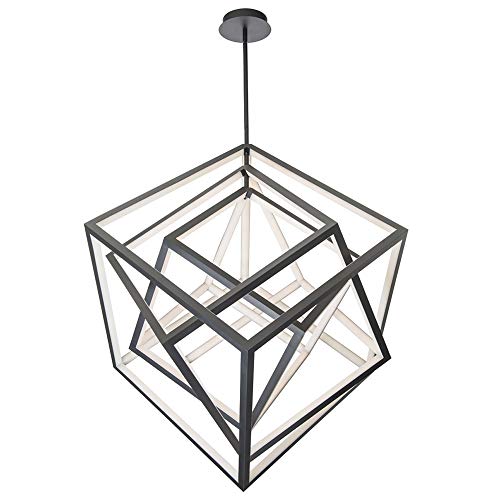
Cubes rotate independently for creative display options. Stack all three cubes in the same direction for a stunning 3D cubed effect, or adjust independently for your own creative design.

Solid aluminum construction with an acrylic diffuser for maximum brightness and even illumination. The height and slope of each pendant can be individually adjusted for a personalized creative display.

MODERN DESIGN – This ET2 Lighting pendant delivers a refined, contemporary look that elevates any room in your home with timeless design appeal.
Functional vs. Decorative Lighting: A Comparison
When considering the right lighting for a home, understanding the difference between functional and decorative lighting becomes fundamental. Functional lighting is specifically designed to illuminate tasks such as reading, cooking, or working, ensuring clarity and visibility. In contrast, decorative lighting enhances a room’s aesthetic appeal, often serving as a statement piece that draws attention. Modern lighting fixtures typically focus on practicality with clean lines and minimalist designs, whereas contemporary designs integrate artistic elements for added visual interest. Layering these lighting types is essential for creating a balanced atmosphere, allowing for mood customization. An effective lighting design thoughtfully considers how functional and decorative elements complement each other, fulfilling both practical needs and aesthetic desires in any space.
Recommended Products

Sonneman Stix Contemporary Chandelier: Elevate your decor with the Sonneman Modern Lighting Stix 6-Arm LED Hanging Chandelier, featuring a contemporary design that adds a touch of sophistication to your kitchen island, dining room, or living room.

【HIGH-END QUALITY】Longree Multi-Blue chandelier using 100% hand blown murano glass in a beautiful colour with light transmission anti-scratch and heat dissipation, long lifetime. giving you crystal clear and fresh art feel.

Part of the Open Air Collection of interior-inspired outdoor-rated chandeliers and pendants designed to expand your indoor environment to exterior living spaces
Blending Modern and Contemporary Styles in Your Space
To successfully blend modern and contemporary lighting styles in a space, one must establish a cohesive foundation that marries simplicity with artistic flair. Start with a modern backdrop, featuring neutral colors and clean geometric shapes, which serves as a minimalist canvas. Next, introduce contemporary elements by mixing and matching bold and artistic fixtures that add personality and vibrancy. The architectural elegance of modern lighting can enhance eclectic contemporary pieces, allowing their unique shapes and colors to take center stage. Layer ambient, task, and accent lighting to create balance and dynamic visual interest throughout the room. Guarantee the color palette remains harmonious, integrating both styles. This careful blending of elements from various eras elevates the design while maintaining a unified aesthetic that reflects sophisticated style.
Frequently Asked Questions
What Is the Difference Between Modern and Contemporary Lighting?
Modern style emphasizes simplicity and functionality in lighting, while contemporary design embraces eclecticism, showcasing evolving lighting trends. This contrast creates distinct aesthetic appeal, where modern lends timeless elegance and contemporary reflects dynamic, personal expressions.
What Are the Characteristics of Mid Century Modern Lighting?
Mid-century modern lighting showcases a functionality focus with clean design silhouettes. Material choices include metal, wood, and glass, while color palettes feature earthy tones accented by bold hues, emphasizing both aesthetic and practical aspects.
What Are the 4 Types of Lighting?
Lighting is the symphony of a room, comprising four essential types: ambient lighting creates the harmonious backdrop, task lighting sharpens focus, accent lighting draws attention to highlights, and decorative lighting adds visual flair to the ensemble.
What Do Contemporary Fixtures Mean?
Contemporary fixtures embody dynamic design elements, employing diverse fixture materials like glass and metals. They reflect aesthetic trends and historical influences, showcasing fluid forms and vibrant colors that enhance individual creativity in modern spaces.