As an Amazon Associate, we earn from qualifying purchases. Some links on this site are affiliate links at no extra cost to you. Our recommendations are based on thorough research and editorial judgment.

Front Entry Lighting: Welcoming Light Without Glare

Front entry lighting plays a crucial role in creating a safe and inviting atmosphere while enhancing curb appeal. Utilizing low-glare lighting techniques, such as wall-mounted sconces with downward illumination and frosted glass shades, minimizes discomfort. Smart lighting options, like motion sensors and adjustable brightness, elevate security and accessibility. Choosing appropriately sized fixtures and incorporating LEDs guarantees energy efficiency and maximum light output. For more insights on selecting and maintaining effective entry lighting, further information awaits.
Key Takeaways
- Use wall sconces with downward light to enhance visibility while minimizing glare around your front entry.
- Incorporate frosted glass shades to soften light and create a warm, inviting atmosphere.
- Opt for LED lighting with a lumen range of 600 to 1600 for effective yet gentle illumination.
- Consider smart lighting solutions with dimmable features and motion sensors for dynamic control and increased security.
- Regularly clean fixtures and inspect for damage to maintain optimal light output and safety.
The Importance of Front Entry Lighting
While safety is a primary concern for any home, front entry lighting plays an essential role in ensuring not only safety but also aesthetic appeal. Proper lighting in the entryway enhances safety by illuminating pathways and steps, minimizing the risk of accidents during low visibility conditions. Well-placed lighting boosts security, deterring intruders while creating a welcoming atmosphere for visitors. Effective illumination highlights architectural features, improving curb appeal and making a positive first impression on guests and passersby. Additionally, using layered lighting techniques can strengthen illumination without creating glare, offering both comfort and visual appeal. Homeowners should prioritize thoughtfully designed lighting to navigate their entryway easily, ensuring a secure and inviting entry for all. Moreover, selecting fixtures with weather-resistant durability can guarantee long-lasting performance despite varying outdoor conditions.
Understanding Low-Glare Lighting
Effective entryway lighting not only enhances safety and aesthetic appeal but also addresses the common issue of glare, which can undermine both. Low-glare lighting minimizes excessive brightness, creating a welcoming atmosphere and improving visibility. Proper fixture placement is essential; directing light downward helps illuminate pathways while reducing discomfort glare. Using materials like frosted glass softens light, increasing visual appeal without compromising brightness levels. LEDs are particularly effective for low-glare applications since they offer exceptional control over brightness and color temperature. Homeowners should guarantee they choose fixtures designed to minimize disability glare, making spaces safer and more inviting for both occupants and visitors. The right approach creates an entryway that draws people in rather than pushing them away. Additionally, considering energy-efficient LED lights can further enhance the entryway while offering longevity and lower energy costs.
Recommended Products

[MODERN FARMHOUSE OUTDOOR PENDANT LIGHTING] This outdoor pendant lights is made of classic square metal construction and clear glass in sanded black finish, whether you're looking to illuminate backyard get-togethers or guest welcome front door, this adjustable lantern is here to help.
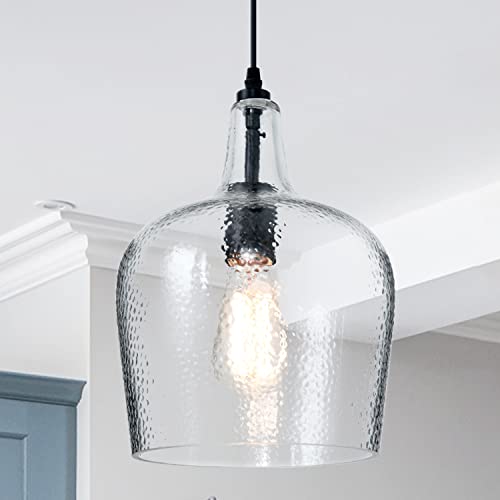
Large&Adjustable: This pendant light boasts dimensions of W9.25” x H69.46” (max) and features adjustable strings ranging from 1” to 56.07”. It's one of the largest glass pendant lights on the market and offers a cost-effective solution. Perfect for various settings, such as kitchens, dining rooms, hallways, and living rooms, it's also compatible with sloped ceilings.
Designing Low-Glare Entry Lighting
Designing low-glare entry lighting requires a thoughtful approach, emphasizing both functionality and aesthetic appeal. Utilizing wall sconces that direct light downwards minimizes eye-level brightness, enhancing visibility and safety. Incorporating frosted glass in light fixtures softens the intensity, diminishing discomfort glare. Proper fixture placement at appropriate heights guarantees adequate illumination for maneuvering the entryway comfortably. Layering lighting sources is essential, combining ambient lighting with task and accent options to create a balanced, glare-free atmosphere. Additionally, selecting LED light sources offers better control over brightness and color temperature, further reducing harsh glare. By considering these elements, designers can achieve an inviting entrance that welcomes guests while maintaining visual comfort and style. Furthermore, opting for energy-efficient options ensures long-lasting performance and lower energy costs in your lighting solutions.
Recommended Products

【Morden Design Wall Sconces】Not battery operated, Hardwire design! Our wall sconce set of two are UL approval, high quality matte black and gold finish, builted with sturdy metal lamp base with transparent glass shades, showing a refined and modern style. The sconces wall lighting not only can be installed downwards but also upwards, face up to cast more light, and face down to make the light on the bathroom cabinet more pleasing.

DIY Paintable Plaster Wall Sconce: The high-quality white gypsum body wall light is fully paintable and easy to customize for creative homes; a versatile choice among wall scones and sconce lights indoor, simply prime and paint it to match your wall color for a seamless “built-in” look, go tone-on-tone, or turn it into a custom statement piece for hallway wall lighting, living room walls, or bedroom wall lights. From Lucande - European Styling designed in Germany.
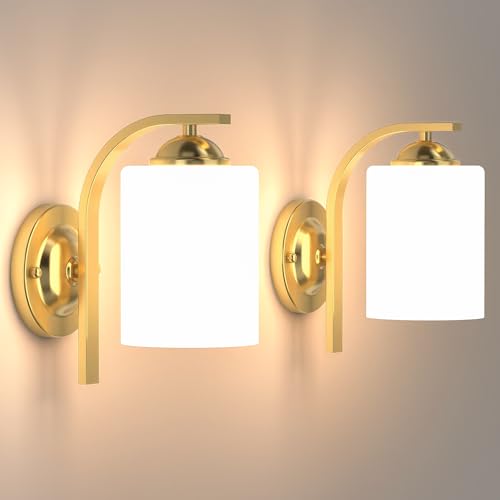
Golden Vintage Elegance:Featuring a timeless vintage-inspired design with a brushed gold finish and clear glass shade, this Phaosio wall light brings a warm, sophisticated glow to any space. The transparent glass allows the beauty of the bulb to shine through, creating a cozy yet elegant ambiance for bedrooms, living rooms, or hallways.
Integrating Smart Lighting Solutions
As homeowners increasingly seek convenience and efficiency, integrating smart lighting solutions into entryway designs becomes a practical necessity. These modern systems offer remote control functionality, enabling adjustments to brightness and schedules directly from smartphones. Utilizing energy-efficient LED bulbs, they can save up to 75% on energy costs, enhancing affordability. Many options include motion sensors, activating adequate lighting as individuals approach, thereby enhancing security. Dimmable smart lighting provides a customizable experience, allowing users to reduce glare by adjusting illumination levels for different activities and times of day. Some systems also offer customizable color temperatures, changing between warm and cool lights to foster a welcoming atmosphere while preventing discomfort. Overall, smart lighting provides both functionality and aesthetic appeal for entryways. Additionally, these systems often boast a lifespan of up to 25,000 hours, making them a long-lasting investment for homeowners.
Recommended Products

【Smart Motion Sensor Outdoor Ceiling Light Fixture 】 This outdoor flush mount ceiling light features a built-in motion sensor with reliable dusk to dawn control. The automatic detector activates lighting at night when motion is sensed and turns off after inactivity, delivering secure and energy-saving exterior lighting for your house outside.
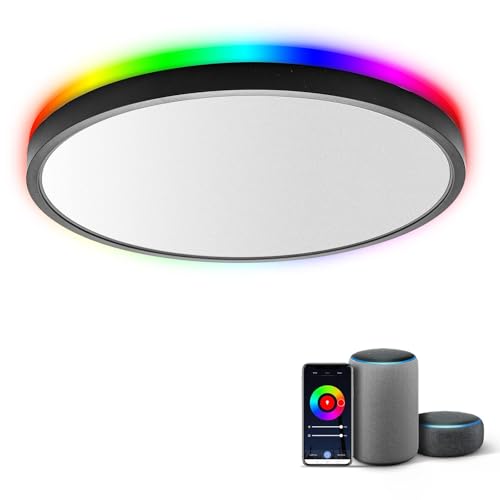
Why Taloya?【Advantage 1- The most convenient installation】: Spare three minutes to log into Youtube, and input “TALOYA Ceiling Light-G2” in the search to watch the whole easy Installation and Usage video. DIY friendly.【Warm Tips】: This LED flush mount ceiling light only works with standard ON/OFF wall switch as shown in the advertised pictures.

Upgraded Remote Control Sensor Light: Say goodbye to climbing ladders! No need to touch the mode adjustment knob above the light fixture! Our outdoor ceiling light come with a remote control that allows you to switch modes safely and easily from the ground. This outdoor porch light to match different scenarios: enjoy hands-free light in garages and entryways, continuous brightness in basements and hallways, or all-night ambiance on patios and porches—all with just one fixture (Bulbs not included).
Choosing the Right Fixtures
Selecting the right fixtures for front entry lighting is essential for enhancing both functionality and aesthetic appeal. To minimize glare, choose fixtures that direct light downwards, such as wall-mounted sconces. Opt for frosted glass shades that soften light output, contrasting with polished finishes that can amplify glare. With regard to brightness, select LED bulbs with lumens between 600 to 1600 to enhance visibility while eliminating discomfort glare. Consider the size and scale of fixtures; they should ideally measure one-third or one-fourth the height of the entry door. Finally, layer lighting by incorporating a combination of sconces and pendant lights. This approach creates a visually appealing atmosphere without contributing to glare, ensuring a welcoming entry for all. Additionally, ensure that the fixtures have energy efficiency ratings to maximize long-term savings and performance.
Recommended Products

All-Weather Durability: Featuring sturdy metal construction and clear tempered glass panels, the outdoor wall lantern is exceptionally resistant to rain, high temperature and even storm. Absolutely capable of providing you with excellent lighting all year round.
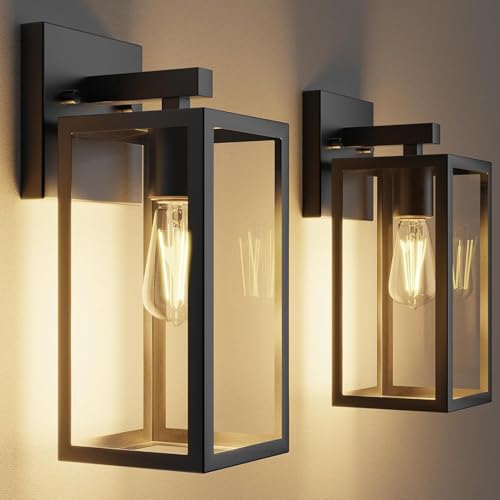
Durable & Weather-Resistant Outdoor Wall Lanterns: Made by a reinforced toughened metal frame and clear glass shade, this pair of matte black outdoor sconces is IP65 waterproof and corrosion-resistant, ready to withstand sun, rain, snow, and ice. As reliable Kalium porch lights outdoor, these exterior sconces stay rust-free for years, making them ideal as porch sconce, patio light, or long-lasting exterior wall lantern.

All-Weather Porch Lights: Our outdoor sconce lights are built to last, made with durable metal and tough glass that can withstand any weather condition, from sunny days to snowy nights. Designed with high-quality materials, these outdoor light fixtures ensure long-lasting brightness and resistance to rust and corrosion, maintaining their flawless appearance year after year
Maintenance and Upkeep
Maintaining front entry lighting is essential for guaranteeing both functionality and aesthetic appeal over time. Regular maintenance includes cleaning fixtures with a soft, damp cloth and mild soap to prevent dirt buildup that decreases light output. Additionally, glass components should be cleaned with a glass cleaner to promote clarity and guarantee clear illumination in the entryway. Periodically inspect fixtures for any signs of wear or damage to address safety concerns promptly. To maintain metal finishes, apply car wax annually to prevent corrosion and enhance durability. Replacing bulbs as needed and adhering to the recommended wattage will help sustain ideal brightness and energy efficiency, guaranteeing the entryway remains welcoming while minimizing energy costs for the homeowner. Consider investing in energy-efficient LED options to further reduce power consumption and extend the lifespan of your lighting fixtures.
Frequently Asked Questions
What Is the Best Type of Light for an Entryway?
The best type of light for an entryway combines layered fixture styles, energy-efficient LED bulbs with suitable temperature ranges, strategic lighting placement for ambiance enhancement, and smart lighting options to improve security and entryway aesthetics.
What Kind of Light Is Best for Front Porch?
Softly glowing sconces with frosted glass illuminate the porch, creating a welcoming ambiance. Energy-efficient LEDs cast warm brightness levels, while motion sensors enhance safety. Decorative modern designs blend style and function, ensuring an inviting atmosphere for all visitors.
What Is the Trend in Hallway Lighting 2026?
In 2026, hallway lighting trends emphasize smart lighting innovations, sustainable design trends, and modern fixture styles. Embracing ambient versus task lighting, energy-efficient solutions, and user-friendly controls, they incorporate minimalist decor concepts and outdoor lighting integration for enhanced aesthetics.
What Is Anti-Glare Lighting?
Anti-glare lighting refers to lighting design that utilizes anti-glare technology to enhance visual comfort. It employs shading techniques and placement strategies for glare reduction, improving illumination quality, light distribution, and ambient control while ensuring luminous efficacy.