As an Amazon Associate, we earn from qualifying purchases. Some links on this site are affiliate links at no extra cost to you. Our recommendations are based on thorough research and editorial judgment.

Flicker Troubleshooting: Drivers, Dimmers, and Wiring Checks

Flickering lights can be traced to several issues, including incompatible dimmer switches, loose connections, overloaded circuits, and faulty LED drivers. To troubleshoot, inspect connections for firmness, verify dimmable LED bulbs are compatible with the dimmer switch, and avoid exceeding circuit capacity. Replace any malfunctioning drivers and maintain proper installation techniques. If flickering persists, consult a qualified electrician to identify underlying electrical issues. Discovering effective solutions will enhance lighting stability and prevent future flicker challenges.
Key Takeaways
- Check for loose connections in wiring, as they can cause unstable lighting and flickering.
- Ensure that the dimmer switch is compatible with the LED bulbs being used to avoid flickering issues.
- Inspect LED drivers for proper function; faulty drivers are common causes of flickering in LED systems.
- Avoid overloading circuits by ensuring total wattage of devices stays within 80% of circuit capacity.
- Consider utilizing EMI filters or shielded cables in sensitive areas to mitigate flickering caused by electromagnetic interference.
Causes of Flickering Lights
When flickering lights disrupt the ambiance of a space, identifying the underlying causes becomes essential for effective resolution. Commonly, flickering LED lights can stem from loose wires, which hinder the flow of electricity. Inspect wiring connections thoroughly to guarantee they are tight and secure. Additionally, if using a dimmer switch, verify it is compatible with LED technology; an incompatible dimmer can lead to inconsistent brightness levels. Electrical issues may also arise from overloaded circuits, especially if multiple devices are drawing power simultaneously. Finally, fluctuations in voltage or electromagnetic interference may impact the performance of lighting fixtures. Diagnosing these factors effectively allows for a more stable lighting environment, enhancing overall comfort and functionality in the space. Understanding the average lifespan of under cabinet lights can also help in determining whether a replacement is necessary.
Incompatible Light Bulb and Dimmer Switch
To achieve ideal lighting conditions, the compatibility between light bulbs and dimmer switches must be carefully considered. Selecting a dimmable LED is essential, as non-dimmable bulbs can cause flickering lights when paired with a dimmer switch. Furthermore, ensuring that the dimmer switch is compatible with the specific type of bulb is vital for peak performance. The voltage rating of the dimmer switch should match that of the light bulb to prevent any operational failures. Additionally, it is important to keep the total wattage of the bulbs within the maximum rating of the dimmer switch, as exceeding this threshold can lead to overheating and further flickering. Adjusting the minimum dim level can also reduce flickering at lower settings. Incorporating energy-saving LEDs in your lighting scheme not only prevents flickering but also promotes sustainability.
Recommended Products

Saturn Ring Design - The Ultimate in Modern Pendant Lighting: Step into the future of home lighting with FIMEI's sleek black pendant light. This innovative, rotatable chandelier features a central round light surrounded by a Saturn-like ring, providing multi-angle illumination. With a ring diameter of 12.2 inches, it’s ideal for smaller spaces like dining rooms, kitchens, bedrooms, foyers, and entryways.
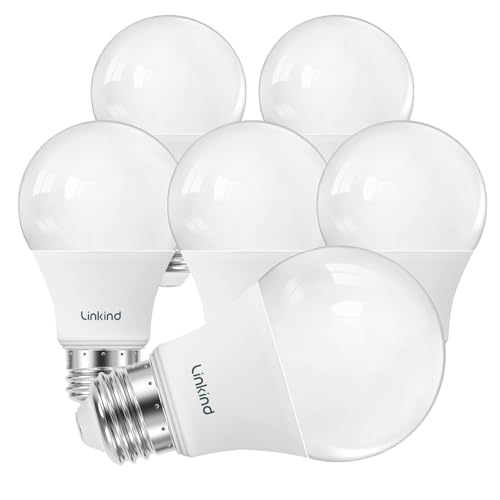
✔ 2700K WARM YELLOWISH LIGHT: The A19 dimmable LED light bulbs give off 800 lumens of 2700k cozy color light. Easy installation with the standard medium screw base E26. NOTE: Please confirm the Kelvin (K) value. This is the most accurate way to select your desired light color. This bulb is 2700K light, which produces a WARM YELLOWISH light. It is not a Bright White or Daylight White bulb. If you prefer a whiter light, please consider our 4000k Cool White or 5000K Daylight options.

【Classic Vintage Design & Wide Application】Designed based on Thomas Edison's original filament bulb, the vintage retro style making this led bulb also a beautiful decorative lights. Those led bulbs are suitable with chandeliers, ceiling fans, pendant lighting, sconces, lamp post, lanterns or any home lighting fixture with an E26 medium standard base socket. Widely used in bedroom,living room,dinning room, bathroom, laundry room, porch or entryway.
Loose Connections
Tightening loose connections in lighting systems is essential for maintaining stable illumination. Loose connections can lead to lights flickering, primarily due to intermittent contact between wires, bulbs, and sockets. Regularly inspecting and securing all light bulbs and socket connections prevents flickering issues from arising, particularly in complex lighting setups. If persistent flickering occurs, it may signal a larger, underlying electrical problem that necessitates professional inspection. In addition, loose wiring not only causes flickering but can also pose a significant safety risk. A proactive approach to ensuring all connections, including those with LED drivers, are secure is critical for effective troubleshooting. Taking these steps safeguards both functionality and safety in any lighting system, and addressing energy efficiency in modern lighting can further enhance overall performance.
Overloaded Circuit
Electricity management plays a significant role in preventing issues like flickering lights, particularly when circuits become overloaded. An overloaded circuit occurs when the total wattage of all connected devices exceeds the circuit’s rated capacity, leading to unstable voltage and flickering lights. It’s important to observe flickering that coincides with heavy appliances, as this indicates potential overload. To maintain safety, check that the circuit load does not exceed 80% of its maximum rating, adhering to National Electrical Code (NEC) guidelines. Distributing appliances across multiple circuits can effectively reduce stress on any single circuit, while ensuring that all LED drivers function efficiently without the risk of overload. Regularly monitoring and managing load is essential for maintaining electrical safety and performance. Additionally, using rechargeable cabinet lights can help minimize energy consumption, ensuring a sustainable approach to lighting.
Environmental Interference
While creating a comfortable and efficient lighting environment, one must consider the impact of environmental interference on LED drivers, which can lead to unwanted flickering. Electromagnetic interference (EMI) from nearby appliances or machinery can disrupt stable LED operation, causing inconsistent light output. Common sources include fluorescent lights, transformers, and other devices emitting electromagnetic fields. Additionally, radio frequency interference from wireless devices may introduce temporary power fluctuations that negatively affect LED performance. To mitigate these issues, one must regularly evaluate setups for potential interference sources. Ensuring properly shielded cables and adequate grounding is crucial, as neglecting these factors can exacerbate flickering. Ultimately, addressing environmental interference is essential for maintaining superior LED performance and achieving desired lighting results. Furthermore, considering energy efficiency in your outdoor lighting choices can also help improve overall performance and reduce the risk of flickering.
Understanding LED Drivers
Flickering issues often arise from the incompatibility or failure of the LED drivers, which are key components that convert AC voltage from the power supply into stable DC voltage required for ideal LED operation. LED drivers come in various types, such as constant current, constant voltage, and dimmable drivers, each designed for specific applications like downlights or LED strips. When selecting an LED driver, verify its power rating exceeds the total wattage of the connected LED load by at least 10-20% for reliability. Additionally, consider environmental factors, including waterproofing for outdoor use. By making informed choices about LED drivers, one can effectively minimize light flickering and enhance overall lighting performance, particularly when integrating with dimmers. Proper installation procedures can also play a significant role in preventing flickering.
Recommended Products

【Easy Installation and Long Lifespan 】- Clear instructions included, just take 3 easy steps, Hepside flush mount light can be fitted quickly in few minutes. Adopting high quality LEDs inside and up to 25000hrs lifespan, 20 times longer than a typical incandescent light. Providing you with a stable and soft light source for much longer.

Unprecedented Ultra-thin Ceiling Lights - We've used cutting-edge raw materials renowned for their flexibility and strength to create this incredibly slim round led light, measuring just 0.67 inches thick. This design surpasses the thickness limitations of traditional lights for ceiling. Regardless of your ceiling height, it seamlessly integrates into your home decor, adding a modern and stylish allure
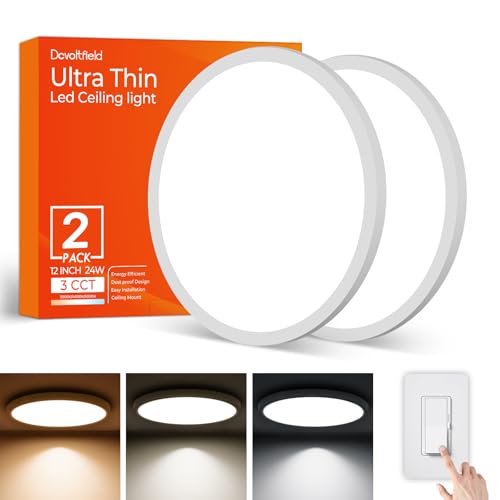
【5%-100% Dimmable via Wall Switch】 This LED ceiling light offers smooth dimming from 5% to 100% using your wall switch. Compatible with most dimmers, it adapts to your every lighting need—whether you want a soft glow for relaxing, or bright light for work or reading. Easily adjust to create the ideal ambiance with just a simple flick of your switch. Suitable for resting, reading, working, watching football matches, and other similar activities
Diagnosing LED Driver Issues
When diagnosing LED driver issues, it is essential to identify symptoms that indicate malfunctions, such as erratic brightness changes, buzzing sounds, and inconsistent output from the fixtures. First, visually inspect the LED drivers for burnt components, which may signify failure. Next, utilize a multimeter to check the voltage output against the specifications required by the LED load, ensuring the driver operates within the necessary parameters. Remember to identify whether the driver should be constant current or constant voltage, as this affects compatibility. Maintaining a power rating of 10-20% above the total wattage of connected LEDs is vital for preventing overheating and ensuring reliable performance, therefore averting potential LED flickering associated with power supply issues. Additionally, high lumens in LED bulbs are crucial for effective brightness, which may influence your project’s overall lighting quality.
Fixing or Replacing Faulty LED Drivers
Selecting or replacing a faulty LED driver is a critical task that requires careful attention to compatibility and specifications. A constant current driver is ideal for fixed-current luminaires, while a constant voltage driver suits LED strips. It is essential to match the voltage and current output of the driver with the LED load; mismatched drivers can cause flickering or even damage the LEDs. To enhance system reliability, opt for LED drivers with power ratings exceeding the total wattage of connected LEDs by 10-20% to accommodate surges. High-quality certified LED drivers commonly feature circuit protection, ensuring efficient power regulation, which helps prevent overheating and flickering issues. For outdoor applications, consider waterproofing options for peak environmental performance. Additionally, using LED bulbs with ideal color temperatures can also contribute to improving the overall lighting experience in a space.
Preventing Flickering in LED Systems
Guaranteeing stable operation in LED systems requires a proactive approach to prevent flickering, which can greatly affect both functionality and aesthetics. Utilizing high-quality, certified LED drivers is essential, as they provide reliable power delivery. It is vital to match driver specifications, such as voltage and current output, to the LED load, avoiding compatibility issues and the resulting flicker. In sensitive environments, implementing EMI filters or using shielded cables can minimize disruptions that contribute to flickering. Avoid mixing different brands and types of LED bulbs on a single dimmer, as inconsistent power needs can lead to further flickering issues. Consulting lighting specialists during complex installations is a must to guarantee effective strategies that mitigate potential flicker-related problems. Moreover, choosing energy-efficient LED options can drastically reduce the likelihood of flickering due to lower power consumption.
When to Contact an Electrician
Flickering lights can be more than just an annoyance; they often signal underlying issues that require professional intervention. Homeowners should contact an electrician if flickering persists after securing all connections or replacing light bulbs with compatible dimmable options. If burnt components or damaged LED drivers are evident, professional help is essential for safe replacement and repair. In cases where flickering occurs exclusively with a specific dimmer switch, expert guidance can identify compatible solutions. Additionally, if circuits overload due to excessive appliances, an electrician can effectively redistribute the load. Finally, chronic flickering paired with other electrical problems necessitates a thorough inspection by a qualified electrician to assess the overall system and grounding methods, ensuring safe and reliable operation. Using dimmable brightness options may prevent flickering in lighting setups, enhancing the overall experience in outdoor spaces.
Frequently Asked Questions
What Would Cause Dimmable Lights to Flicker?
Dimmable lights may flicker due to dimming compatibility issues with dimmer switches, poor bulb quality, and electrical fluctuations. These factors can disrupt the smooth operation of the lighting system and lead to inconsistent illumination.
How to Fix a Flickering LED Driver?
To address LED driver issues, inspect electrical connections and verify compatibility with LED specifications. Solutions may involve checking for overheating, testing output voltage, or replacing the driver with a suitable alternative for peak performance.
How Do You Troubleshoot Flickering Lights?
To troubleshoot flickering lights, one should inspect light bulb types, verify the correct electrical load, and check for voltage fluctuations. Additionally, examining connections and replacing malfunctioning components may help identify the underlying issue effectively.
How Do You Find the Source of Flickering Lights?
In the dance of light, discerning the source of flickering bulbs involves evaluating the electrical connection quality, ensuring fixture compatibility, and verifying the type of bulb used. Each aspect must harmonize for steady illumination.