As an Amazon Associate, we earn from qualifying purchases. Some links on this site are affiliate links at no extra cost to you. Our recommendations are based on thorough research and editorial judgment.

Extending LED Life: Heat, Ventilation, and Duty Cycles

To extend the lifespan of LED lights, effective heat management, proper ventilation, and careful duty cycle monitoring are critical. High-quality heat sinks made from materials like aluminum enhance heat dissipation, while adequate airflow prevents excessive temperatures that can degrade performance. Limiting on/off cycling reduces stress on components and minimizes energy surges. Regular maintenance, such as cleaning fixtures and checking for blockages, guarantees peak functioning. By implementing these strategies, users can markedly enhance LED longevity and performance, with further insights available for exploration.
Key Takeaways
- Effective thermal management using high-quality heat sinks reduces junction temperatures, significantly extending LED lifespan by thousands of hours.
- Ensure proper ventilation to facilitate airflow and prevent heat buildup, enhancing LED efficiency and longevity.
- Monitoring duty cycles limits frequent on/off cycling, thereby minimizing stress on internal components and preventing premature failure.
- Utilize smart controls like timers and occupancy sensors to optimize energy usage and minimize cycling frequency for extended LED life.
- Choose LEDs with high-quality materials and better energy efficiency ratings, as they inherently offer longer operational lifespans in favorable conditions.
Understanding LED Lights and Their Lifespan
LED lights, celebrated for their remarkable longevity, have become a must-have in modern lighting solutions. With lifespans ranging from 25,000 to 50,000 hours, they vastly outlast traditional incandescent bulbs, which typically endure only about 1,000 hours. Energy efficiency is another key benefit, making LEDs a smart investment. Proper heat management is vital; high junction temperatures can degrade performance and shorten lifespan. Utilizing quality materials like superior semiconductors and effective heat sinks enhances durability. Regular maintenance tips include cleaning lighting fixtures to prevent dust buildup, which can obstruct light output and cause overheating. Limiting on-off cycling is also important; excessive switching stresses internal components and diminishes LED longevity, making these considerations essential for maximizing the lifespan of LED lighting. Many recessed LED lights also offer energy savings of up to 90%, showcasing their efficiency and environmental benefits.
The Role of Heat Management in LED Longevity
Effective thermal management greatly influences the lifespan and performance of LED lights. To guarantee LED longevity, it is essential to monitor heat conditions, as excessive temperatures can greatly degrade light output. A reduction of 11°C in junction temperature can extend lifespan by about 25,000 hours. Implementing high-quality heat sinks is critical; they facilitate efficient heat dissipation from the LED. Additionally, proper ventilation is crucial, allowing ambient temperatures to remain ideal for LED operation. High thermal conductivity materials, such as MCPCBs, outperform standard FR-4 PCBs by transferring heat more effectively. By prioritizing thermal management strategies, including adequate ventilation and superior heat sink design, users can dramatically increase the longevity and reliability of their LED lighting systems. Furthermore, choosing energy-efficient lighting options can help mitigate heat generation, further enhancing the lifespan of LED fixtures.
Importance of Effective Heat Sinks
The importance of high-quality heat sinks in LED lighting systems cannot be overstated, as they play an essential role in efficiently dissipating heat away from critical components. Effective heat sinks are essential for maintaining ideal operational temperatures and preventing degradation in LED output quality. Reducing thermal resistance enhances the junction temperature of LEDs, greatly improving performance. Selecting materials like aluminum or copper alloys is key, as they offer superior thermal conductivity. Additionally, designing heat sinks to facilitate airflow and convection is imperative; while natural convection transfers heat at rates of 5 to 20 W/m²K, active cooling methods can elevate this to 25-250 W/m²K. Employing thermal interface materials further enhances heat transfer, prolonging LED lifespan and improving overall system efficiency. Moreover, energy-efficient lighting solutions benefit from these heat sinks by maintaining performance levels while consuming less power overall.
Recommended Products

Downrod Stiff Poles for brushed nickel pendant light - this modern pendant light come with threaded straight rods in multiple lengths 3 Units 12 Inch 3 Units 4 Inch And tilting swivel canopy for flat, vaulted or sloped ceilings up to 54" high.

【Simple Design】As the combination of industrial black metal finish outlook and white acrylic matte lampshade, the mini pendant lights for kitchen island match modern home style perfectly.
Ensuring Proper Ventilation for LED Fixtures
Ensuring proper ventilation for lighting fixtures is often a critical factor in maximizing the performance and longevity of LED systems. Proper ventilation promotes heat dissipation, effectively addressing thermal buildup that can damage LED fixtures. Installing LED lights in open or well-ventilated areas enhances airflow, allowing heat to escape more efficiently than in enclosed spaces. Regularly checking for blockage is essential, as obstructed airflow can increase thermal resistance and diminish performance. Utilizing heat sinks alongside proper ventilation considerably improves cooling, maintaining ideal junction temperatures. By ensuring adequate airflow, one can potentially avoid up to a 30% reduction in efficiency and lifespan. Additionally, selecting energy-efficient under cabinet lighting options can also contribute to better heat management. Consequently, prioritizing proper ventilation is essential for optimizing performance and achieving a long lifespan for LED fixtures.
The Impact of Excessive Heat on LED Performance
How does excessive heat influence LED performance and longevity? Excessive heat considerably degrades LED performance by increasing junction temperatures, which can lead to reduced light output and a shorter operational lifespan. For every 11°C temperature increase, lifespan can decline by about 25,000 hours, stressing the significance of effective thermal management. To counteract this, proper heat dissipation is essential; inadequate solutions can create internal thermal resistance, harming LED quality and energy efficiency. Implementing high-quality heat sinks and ensuring proper ventilation are fundamental strategies for maintaining ideal LED performance. Additionally, standards indicate that junction temperatures exceeding 100°C can severely impact longevity, making it imperative to keep operating temperatures low for a longer lifespan and enhanced energy efficiency. Recessed lighting options such as energy-efficient designs are important for optimizing thermal management and ensuring longevity.
Monitoring Duty Cycles for Durability
Monitoring duty cycles plays an essential role in enhancing the durability and longevity of LED lighting systems. Frequent on/off cycling stresses internal components, which can degrade performance and reduce light output. Each activation creates a surge of electrical current, aggravating thermal buildup within the LED fixtures. To extend the life of these lights, it is vital to limit duty cycles to moderate intervals. This helps dissipate heat effectively, thereby improving overall durability and reliability in applications. Additionally, implementing timed switches can maximize energy savings while reducing unnecessary usage. Studies show that minimizing the frequency of on/off cycles can greatly extend LED lifespan by thousands of hours, making it a must-have practice for efficient lighting design. Furthermore, selecting energy-efficient options can also contribute to longevity by reducing electrical stress on the system.
Best Practices for LED Installation
Installing LED lighting requires careful consideration and adherence to best practices to maximize the lifespan and efficiency of the fixtures. Proper installation begins with verifying voltage and wattage compatibility to prevent overheating, which reduces longevity. Selecting locations with adequate ventilation facilitates effective heat dissipation, vital for avoiding excessive temperatures that impact performance. Avoid tightly sealed fixtures; instead, opt for open designs that reduce thermal resistance. Utilize dimmer switches designed for LED bulbs, minimizing electrical stress and enhancing durability. Regular cleaning of fixtures is essential, as accumulated dirt can impede airflow and increase energy consumption. By implementing these practices, users can confirm their LED systems provide peak performance and prolonged service life. Incorporating energy savings techniques ensures that users not only enjoy brighter spaces but also benefit from reduced energy costs over time.
Recommended Products

3CCT Selectable Color Temperature: Select your preferred color temperature via the toggle switch on the fixture before mounting. Three preset tones are available: 3000K Bright White, 4000K Cool White, and 5000K Daylight. This fixture requires hardwiring to a standard ceiling J-Box (sold separately). Once installed, it works only with a regular ON/OFF wall switch for basic on/off control. Recommended for flat ceilings with pre-installed junction boxes.

【Ultra Thin Design - Fits Perfectly to Ceilings】Our led ceiling light flush mount are only 0.94 inches thick, perfect for rooms with low ceilings. The simple and modern rounded design blends perfectly with any interior style and is perfect for bathrooms, hallways, bedrooms, closet, children's rooms, porch, etc
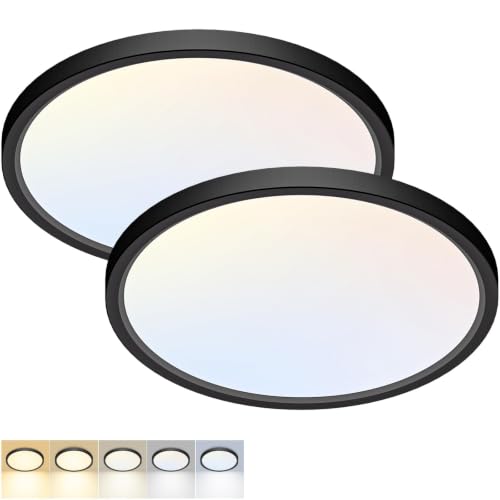
【5 Color Temperatures】Fairdeer LED flush mount ceiling light offers five color temperature options that can be easily switched via a toggle button before installation. Ranging from warm yellow (3000K) to cool white (6500K), it adapts perfectly to various lighting scenarios.
Regular Maintenance for Optimal LED Functionality
To guarantee maximum functionality and longevity of LED lighting systems, regular maintenance is essential. Routine cleaning of LED lights prevents dust and debris accumulation, securing optimal light output and safety. Adequate ventilation is vital since LEDs generate heat; ensuring airflow helps avoid overheating, protecting performance and lifespan. Implementing effective heat management strategies, such as using quality heat sinks, promotes better heat dissipation. Furthermore, minimizing on/off cycling is critical, as excessive switching can lead to stress on internal components and faster degradation. By actively managing these factors, maintenance can considerably enhance brightness and reduce energy costs. Ultimately, prioritizing these practices guarantees that LED lighting systems remain efficient, effective, and long-lasting, maximizing the benefits for users. Additionally, choosing energy-efficient LEDs can play a significant role in reducing overall power consumption.
Environmental Considerations for LED Usage
How can environmental conditions influence the performance and longevity of LED lighting? Various environmental factors, including temperature and humidity, play an important role in LED efficiency and lifespan. High-quality LED bulbs perform best at moderate temperatures; extremes may impair functionality. In humid settings, selecting IP65-rated bulbs is essential, as they offer protection against moisture. Proper ventilation is critical; ambient air circulates to prevent heat buildup, while effective heat sink designs support managing LED heat dissipation. Consistently maintaining stable temperatures around your LEDs enhances their operational longevity. With proper care, including mindful installation and monitoring, the longevity of your LED lighting can notably improve, safeguarding your investment and ensuring reliable illumination for the future. Additionally, weather-resistant designs can contribute to consistent performance during various environmental conditions.
Choosing High-Quality LED Products
When selecting LED products, one might wonder what factors truly distinguish high-quality bulbs from their lesser counterparts. High-quality LED products typically utilize superior semiconductor materials and well-designed heat sinks to promote effective heat dissipation, leading to an extended lifespan. Prospective buyers should prioritize energy efficiency by examining the lumens-per-watt ratio; higher ratios indicate brighter light for less power consumption. Additionally, certifications such as Energy Star or DLC serve as assurance of performance standards. It is wise to choose products from reputable manufacturers with positive user reviews, as this reduces the risk of premature failure. Finally, investing in LED bulbs with longer warranties often reflects the manufacturer’s confidence in durability, making them a reliable and smart choice. Furthermore, prioritize energy efficiency benefits to ensure significant savings on your electricity bill and prolonged product life.
Implementing Smart Controls for Energy Efficiency
The effectiveness of high-quality LED products can be prominently enhanced through the implementation of smart controls, which serve as a powerful tool in optimizing energy efficiency. By utilizing timers and occupancy sensors, users can automate lighting based on occupancy and time of day, considerably reducing unnecessary energy usage. Smart dimmers further enhance energy efficiency by allowing gradual light adjustments, thereby decreasing stress on LED components and extending their lifespan. Additionally, integrating smart lighting systems with smartphone applications enables efficient management of LED bulbs, even remotely. Incorporating daylight harvesting sensors optimizes indoor lighting based on natural light, lowering energy consumption. Ultimately, automating lighting systems can achieve energy cost reductions of up to 30%, enhancing the overall performance through better duty cycle management.
Recommended Products

Multicolored Lighting: The main light of smart ceiling light is RGB+WW, while the back light is RGBIC. With 16 million background colors, the back light enriches the whole house atmosphere. Note: The WW of the main light and back light cannot be on simultaneously.

Smart App Control & Voice Control - Use the smart app on your iOS or Android phone or tablet, you can turn on/off the LED RGB ceiling light whether you are at home or out. Customize your home led ceiling lighting system. Compatible with Alexa and Google Assistant.you can control the lights with voice commands to turn on/off or dim/bright, let your hands-free. Note: It only works with 2.4 GHz WiFi. make sure your phone is connected to 2.4 GHz Wi-Fi during setup

Planar Colorful Lighting Effects: Featuring independent control for each light and a total of 121 segments, this ceiling light offers detailed and dynamic planar lighting effects. Built-in preset scenes make creating colorful planar lighting effects easier than ever.
Frequently Asked Questions
How to Extend the Life of LED Bulbs?
To extend LED bulb life, maintain bulbs properly, manage thermal conditions effectively, guarantee heat dissipation, regulate voltage, install correctly, monitor ambient temperature, select high-quality bulbs, and adopt efficient usage patterns for best energy efficiency.
What Is the Duty Cycle of an LED?
The duty cycle of an LED is the operational time versus total cycle time, influencing LED performance. Effective thermal management and proper circuit design mitigate degradation factors, enhancing energy efficiency while optimizing light output under various operating conditions.
How to Improve the Lifespan of High Power LEDS?
To improve the lifespan of high-power LEDs, it’s essential to implement efficient thermal management, maintain ideal ambient temperature, utilize effective heat dissipation techniques, guarantee LED driver efficiency, and incorporate both active cooling systems and overcurrent protection.
What Is the Expected Life Cycle of a LED?
Despite their long lifespan of 25,000 to 50,000 hours, LED longevity factors can be undermined by poor thermal management techniques, driving current effects, and environmental influences, which ironically lead to light output degradation over time.