As an Amazon Associate, we earn from qualifying purchases. Some links on this site are affiliate links at no extra cost to you. Our recommendations are based on thorough research and editorial judgment.

Dining Room Lighting: Ambience, Dimming, and Glare Control

Dining room lighting profoundly shapes ambience and enhances meal enjoyment. Effective fixtures, such as chandeliers and wall sconces, provide layered lighting that creates inviting warmth, ideally between 2700K and 3000K. Incorporating dimmers allows for adjustable brightness, catering to smaller dinners or larger gatherings while maintaining comfort. Minimizing glare through strategic fixture positioning further enhances the experience. Understanding reflective surfaces can amplify the overall brightness of the space. Exploring these concepts can lead to ideal dining environments that impress guests and enrich meals.
Key Takeaways
- Warm light temperatures between 2700K and 3000K create an inviting atmosphere for dining spaces.
- Implement chandeliers, pendants, and sconces to establish layered lighting for enhanced ambiance and functionality.
- Dimmer switches offer adjustable lighting levels, allowing for intimacy or brightness, depending on the occasion.
- Strategic positioning and glare control through shades or diffusers improve visual comfort during meals.
- Reflective surfaces can amplify ambient light, enhancing the overall brightness and warmth of the dining environment.
The Importance of Dining Room Lighting
You may be interested



As diners gather around a table, the importance of lighting in the dining room becomes immediately evident. Effective dining room lighting fixtures set the ambiance, shaping the overall tone for gatherings and enhancing food presentation. Warmer light temperatures, ideally between 2200K and 3000K, create an inviting atmosphere, fostering meaningful conversations. The strategic use of various lighting types, such as chandeliers, wall sconces, and pendants, helps establish layers of light, balancing functional illumination with aesthetic appeal. Ensuring that glare control is a priority will provide comfort and enhance visual enjoyment during meals. Additionally, installing dimmers allows for flexibility in lighting control, enabling adjustments that cater to different occasions and moods, making thoughtful lighting design a must-have for any dining experience. Incorporating energy-efficient LED bulbs can further enhance the ambiance while reducing energy costs.
Creating the Right Ambiance
Creating the right ambiance in a dining room requires careful consideration of lighting choices, as these elements greatly influence the overall atmosphere. Using warmer light temperatures, ideally between 2700K and 3000K, helps to create a welcoming atmosphere. Effective lighting for different occasions can be achieved by layering different light sources; combining overhead fixtures, wall sconces, and accent lighting enriches the environment. Additionally, it is vital to select fixtures that match the room’s scale and table dimensions. This guarantees comfort without overpowering the design. Strategically positioning lighting minimizes glare and shadows, particularly over dining surfaces, thereby improving visibility and enhancing the dining experience. Thoughtful lighting plays an essential role in creating an inviting and enjoyable dining space. Incorporating high lumen outputs in your lighting choices can significantly enhance the overall visibility and atmosphere during dining occasions.
The Role of Dimmers in Dining Spaces
In dining spaces, the inclusion of dimmer switches greatly transforms the lighting experience, allowing for both versatility and comfort. Dimmers play an essential role by providing adjustable light levels, catering to different occasions and activities. For intimate dinners, lower light settings create a warm atmosphere, while brighter illumination is ideal for larger gatherings. It is recommended to install dimmers compatible with the chosen light fixtures to guarantee optimal performance and longevity. Additionally, utilizing these switches can lead to energy savings, as reducing power consumption during lower settings is beneficial. Overall, dimmers not only enhance ambient lighting but also greatly improve the dining experience, making them a must-have feature in modern dining environments. Moreover, many dimmer switches have adjustable settings that improve energy efficiency, making them an eco-friendly option for light control.
Recommended Products

✅【Dimmable with Remote + Memory Function】—Brightness: 10-100%. Color Temperature: 3000-6000K. According to your preference, you can adjust the dining room chandelier over table through the matching remote. Memory function can be achieved in 2 ways, as described in the instructions.【PS: NOT compatible with dimmer switch! Please use a regular ON/OFF wall switch!】

【Rustic Chandelier】 This farmhouse round chandelier features a forest and animal cutout, and is made of matte black metal, perfectly combining rustic charm with modern and vintage styles. Its simple and artistic design adds a touch of nature's beauty to any space, adding a unique artistic charm to your cottage.
Understanding Light Temperature
Light temperature is an important element in establishing the ambiance of a dining room, impacting both aesthetics and mood during meals. Ideal settings typically range from 2700K to 3000K, where warmer light temperatures create an inviting atmosphere. These warmer hues enhance the presentation of food, making meals more visually appealing and enjoyable. In contrast, cool light temperatures, above 5000K, can feel harsh and uninviting, often leading to discomfort. Incorporating dimmability is vital, as it allows adjustments for various occasions and moods. Additionally, combining light sources with differing temperatures can create visual interest and depth, enriching the dining experience. Designers should aim for a balanced lighting approach, ensuring dining spaces feel warm, welcoming, and thoughtfully illuminated. Furthermore, recommended color temperatures should always be considered to align with the desired ambiance.
Minimizing Glare for an Enjoyable Experience
To guarantee an enjoyable dining experience, minimizing glare in the dining room is vital. A lighting guide suggests choosing fixtures with diffusers or shades to soften illumination, which leads to increased comfort during meals. Opting for warmer light temperatures, particularly within the range of 2700K-3000K, mitigates harsh lighting that contributes to glare. Installing dimmer switches serves as a practical solution, allowing diners to adjust brightness and tailor the atmosphere. Proper fixture positioning is essential; overhead lights should ideally hang 30-36 inches above the table to prevent direct glare in diners’ eyes. Additionally, incorporating layered lighting elements, such as wall sconces and accent lighting, effectively enhances visual comfort, appreciably reducing overall glare in modern dining room lighting. Ensuring compatibility with dimmer switch specifications can further optimize the effectiveness of the lighting setup in your dining area.
Recommended Products

WHY CHOOSE ELYCCUPA: High-cost wicker with high quality cotton + double-sided for total four-layer dense hand weaving = no gaps, no wrinkles, and no visible frames when turn on; Beware: most of the other use low cost fabric with no or artificial cotton, and less than 4 layers hand woven to save costs, looking terrible when lit; Our brass hardware is top-grade, not cheap metal gold here. Quality worth every penny—see the difference!

【6-Light 25-Inch Wide Chandelier】With a well-balanced 25-inch width and depth, this matte black chandelier creates a refined focal point over any table or kitchen island. A 25-inch chandelier is ideal for a 30×60 inch rectangular table (4–6 people), and also works well for compact dining spaces and kitchen islands where proportion matters. This versatile black chandelier light fixture complements farmhouse, modern, or transitional decor, making it an ideal lighting choice for dining rooms, kitchens, foyers, or living areas. It also works beautifully as black pendant lighting above a kitchen island.

【Modern Industrial Style & Design】Black chandelier is meticulously crafted by highly skilled craftsmen. Its consists of a black metal frame with a minimalist silhouette, which better balances aesthetics and functionality. The unique appearance gives a stylish and modern look that leaves a lasting impression.
Types of Light Fixtures for Dining Rooms
Selecting the appropriate light fixtures greatly enhances the dining room’s ambiance while maintaining visual comfort. Essential dining room lighting fixtures include chandeliers, pendant lighting, and wall sconces, each contributing uniquely to the space. Chandeliers often serve as dramatic centerpieces, ideally positioned to be 12 inches narrower than the dining table’s shape. Pendant lighting provides versatility and can be displayed as single large or multiple smaller fixtures, suspended 30-36 inches above the table for visual impact. Wall sconces add a layer of ambient light while minimizing clutter, with a recommended installation height of 60-66 inches from the floor. Ultimately, choosing fixtures should align with the dining table’s dimensions to achieve proportionality and aesthetic harmony in the dining area, enhancing both functionality and style. Additionally, considering pendant light features ensures that the selected fixtures can create customizable ambiance to suit various dining experiences.
Recommended Products

Black Farmhouse Chandelier: Embracing a rustic and industrial style, this farmhouse chandelier features 6 elegantly simple lamp arms. The structure is solid, and the surface is finished with matte black, showcasing a classic and simple aesthetic. This black chandelier light fixture can be used in various spaces such as the kitchen island, bedroom, foyer, dining table, living room, entryway, farmhouse, and office.
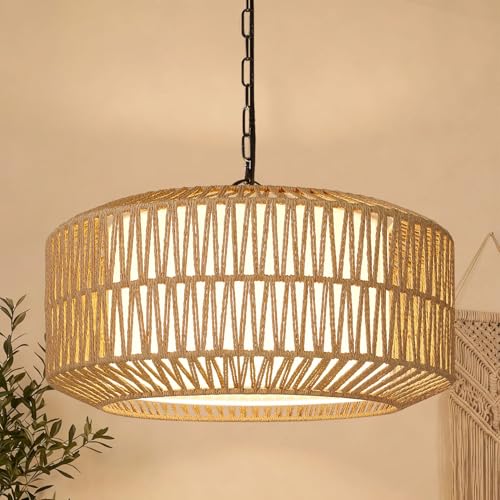
Upgraded 5-Light Farmhouse Chandelier – Two-Layer Rope Design: This hand-woven rattan light fixture combines natural rattan and durable metal for a rustic yet modern boho light fixture. The 20" diameter and 360° light diffusion create a warm, bohemian atmosphere, making it the perfect dining room light fixture or centerpiece for any room.

【 Industrial Mini Design 】 Please confirm the size before ordering. clear bubble glass shade with matte black finish. Simple line design will make your house look stylish. Great for any kitchen island, foyer or hallway.
Selecting the Correct Size Fixture
When choosing a fixture for a dining room, size is an essential factor that noticeably influences both aesthetics and functionality. The recommended diameter for a chandelier should be about one-half to two-thirds the length of the dining table, guaranteeing proportionate sizing. For rectangular tables, linear fixtures or multi-pendant lights serve as ideal choices, while round tables complement circular chandeliers or pendant lighting. Additionally, it is vital that fixtures hang 30-36 inches above the dining table to provide adequate illumination without obstructing views. In larger dining spaces, using multiple fixtures in odd numbers enhances visual appeal and coverage. Finally, confirm that the scale of the fixture corresponds not only to the table size but also to the overall dimensions of the dining room. When selecting fixtures, consider bulb compatibility as it affects the overall effectiveness of the lighting.
Exploring Popular Fixture Styles
As homeowners increasingly seek to enhance their dining experiences through carefully curated aesthetics, exploring popular fixture styles becomes essential. Modern chandeliers serve as dramatic statement pieces, often showcasing clean lines and geometric shapes that can elevate the dining room’s ambiance. Pendant lighting offers versatility, effective in diverse spaces when hung 30-36 inches above the dining room table. Mid-century modern designs are also trending, featuring warm woods and organic curves, effortlessly blending comfort with style. For those who prefer a touch of elegance, transitional fixtures combine classic elements with modern sophistication, such as tiered drum chandeliers. To enhance functionality, wall sconces provide ambient glow when placed 60-66 inches from the floor, completing a thoughtfully designed dining area. Incorporating dimmable fixtures can further enhance the dining experience by allowing homeowners to tailor the lighting to different occasions.
Recommended Products

【Product Dimensions】Lampshade Dimensions: 6.69"Dia.x4.472"H(17cmx12cm),Adjustable Chain Length: 59"(150cm). Polishing brass accessories are less prone to rusting, durable, anti-oxidation and moisture proof. INCLUDING A Bulb (G45, 6W,2700k). With a rotary switch, need Hardwired. Shenmoyl pendant light has obtained CEC certification.

Style & Design: This black chandelier features 6 geometric square metal frames, each equipped with a lampholder. When unfolded, it resembles a blooming flower. Artistic and eye-catching, adding a touch of elegance style to your home décor. It can perfectly blend in any place such as bedroom, living room, bathroom, dining room, hallway, stairway, kitchen island (indoor use only).

【Elegant & Modern Design】This modern chandelier combines a simple yet elegant design with a double-tier drum shade, offering a chic and rustic appeal. The beige linen fabric shade enhances the light's softness, making it an ideal addition to your dining room, kitchen, living room, or bedroom. The timeless design blends seamlessly with various interior styles, from farmhouse to contemporary.
Layering Light for Depth and Warmth
Layering light effectively transforms a dining space, fostering depth and warmth that enhances the overall dining experience. By combining ambient lighting, which provides overall illumination, with task lighting such as pendant fixtures and wall sconces, functionality and comfort are elevated. Dimmers are essential; they allow users to adjust brightness levels, creating an inviting glow for intimate gatherings or lively parties. Strategic placement of accent lighting, like decorative fixtures and wall sconces, draws attention to architectural features and artwork, adding personality to the room. This thoughtful layering of light minimizes glare while ensuring the dining area remains visually appealing. Ultimately, a well-balanced design enhances the atmosphere, making it a must-have for any stylish dining environment. Additionally, pendant lights can provide focused light for prepping and dining tasks, ensuring that key areas are well-lit.
Positioning Fixtures for Maximum Effect
Achieving the right lighting in a dining room involves not only the choice of fixtures but also their ideal positioning for maximum effect. To create a visual focus, chandeliers or pendants must be centered directly over the dining table. For best placement, hang these fixtures 30-36 inches above the tabletop, ensuring they illuminate without obstructing views. In larger spaces, multiple fixtures can enhance lighting distribution, with an odd number, such as three, fostering balance and symmetry. Additionally, wall sconces should be installed 60-66 inches from the floor to promote a pleasing ambience. Finally, consider the relationship between lighting fixtures and reflective surfaces, as this can maximize illumination while minimizing glare, enriching the dining experience. Consider integrating customizable lighting options that allow for adjustable brightness to enhance the overall atmosphere during different dining occasions.
Recommended Products

Style & Design - Gold chandelier is meticulously crafted by highly skilled craftsmen. Its consists of a gold metal frame with a minimalist silhouette, which better balances...
Reflective Surfaces and Light Interaction
Reflective surfaces, such as glass tabletops and polished dishware, play a pivotal role in shaping the lighting experience within dining rooms. These surfaces amplify ambient light, enhancing overall brightness. The choice between glossy and matte finishes affects light temperature; glossy surfaces may create a cooler ambiance, while matte black options soften light diffusion. To improve glare control, strategically place dimmable fixtures that allow for light adjustments, maintaining an inviting atmosphere. This combination empowers users to tailor their environment. Reflective surfaces can creatively highlight décor elements, drawing attention to art pieces or table settings. By optimizing light interaction, dining rooms can transform into elegant spaces that beautifully balance illumination and comfort.
Final Considerations for Dining Room Lighting
Creating a harmonious dining room environment requires careful attention to lighting choices that complement both functionality and aesthetic appeal. Ideal light temperatures between 2700K to 3000K create a warm ambiance, perfect for gatherings. Incorporating dimming features into fixtures allows for adjustable lighting levels, setting the right mood for various occasions. Implement glare control by selecting fixtures with shades or diffusers, which soften light and promote comfort. Layering different types of contemporary lighting—overhead, accent, and decorative—creates depth and enhances the room’s overall ambiance. When choosing fixtures, consider the table shape and decor style, ensuring they are proportionate and aesthetically appealing. Thoughtful design decisions will elevate the dining experience, marrying beauty with practicality.
Frequently Asked Questions
What Is the Trend in Dining Room Lighting in 2026?
In 2026, dining room lighting trends showcase smart fixtures with adjustable brightness, minimalist designs featuring clean lines, and layered illumination. Sustainable materials are prioritized, enhancing the overall aesthetic while promoting energy efficiency and environmental responsibility.
What Is Trending in Dining Room Lighting?
Currently, 72% of homeowners prefer sustainable fixtures paired with smart lighting systems. Vintage styles and minimalist designs are on the rise, while warm color temperatures enhance dining experiences, reflecting a shift toward cozy yet modern atmospheres.
What Is the Rule for Dining Room Lights?
The rule for dining room lights emphasizes ambient lighting techniques, fixture height guidelines of 30-36 inches above surfaces, ideal color temperature considerations, control systems integration for flexibility, and accent lighting strategies to enhance the overall atmosphere.
What Are the 4 Types of Lighting?
In stark contrast, ambient lighting offers general illumination, while task lighting focuses tightly on activities. Accent lighting highlights features, and decorative fixtures intricately blend beauty with function, enhancing the visual appeal of any space.