As an Amazon Associate, we earn from qualifying purchases. Some links on this site are affiliate links at no extra cost to you. Our recommendations are based on thorough research and editorial judgment.

A Beginner’s Glossary of Residential Lighting Terms

A beginner’s glossary of residential lighting terms includes essential concepts like A-Type lamps, which are versatile, pear-shaped bulbs that fit standard fixtures. Ambient lighting creates a warm, inviting atmosphere, making up about 40% of room illumination. Accent lighting highlights specific features, providing greater brightness than ambient sources. Ballasts are vital for controlling fluorescent and HID lamps. Energy Star products save energy, ensuring both efficiency and quality. Understanding these terms enables informed lighting choices, paving the way for effective design strategies.
Key Takeaways
- A-Type lamps are versatile, pear-shaped bulbs available in 40 to 100 wattages, common in residential lighting.
- Ambient lighting provides overall light for comfort, typically with a warm color temperature of 2700K to 3000K.
- Accent lighting highlights specific areas or objects, requiring at least three times the brightness of ambient lighting.
- Ballasts regulate electric current for fluorescent and HID lamps, ensuring efficient operation and compatibility with lamp wattage.
- ENERGY STAR certifications indicate energy-efficient bulbs and fixtures that help reduce energy costs and environmental impact.
A-Type Lamps
You may be interested


Recommended Products

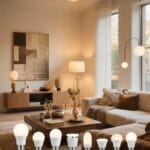
Energy Efficiency: Replace 60 Watt incandescent bulb by 4.5W LED filament light bulb, less energy than traditional incandescent lamp, Last about 25000 hours based on 3 hrs/day of use

Warm White Illumination: Experience the inviting glow of these 40-watt E12 Candle Light Bulbs, featuring a 2500K warm white color temperature. With 380 lumens of brightness, they provide a cozy ambiance for your home, perfect for chandeliers, ceiling fans, and pendants.(Non-LED)
A-Type Lamps
A-Type lamps serve as the quintessential choice for household lighting, embodying a familiar pear-shaped design that complements various interiors. Known as incandescent lamps, they operate efficiently at 120 volts and fit standard socket fixtures, making them versatile for applications like table lamps and overhead lighting. Available in different wattages ranging from 40 to 100 watts, these light bulbs influence both brightness and energy consumption. The light output, measured in lumens, shows that a 60-watt bulb produces approximately 800 lumens of warm light. With a high Color Rendering Index (CRI) of about 100, A-Type lamps provide vibrant colors, ideal for creating inviting spaces. While popular, they are less energy-efficient than modern LED alternatives, prompting consideration for energy-conscious consumers. Many homeowners now opt for energy-saving options like LED bulbs, which offer longer lifespans and lower electricity costs.
Recommended Products

3CCT Selectable Color Temperature: Select your preferred color temperature via the toggle switch on the fixture before mounting. Three preset tones are available: 3000K Bright White, 4000K Cool White, and 5000K Daylight. This fixture requires hardwiring to a standard ceiling J-Box (sold separately). Once installed, it works only with a regular ON/OFF wall switch for basic on/off control. Recommended for flat ceilings with pre-installed junction boxes.

Sleek Modern Design: This contemporary flush mount ceiling light features a low-profile housing that sits neatly against the ceiling, ensuring smooth clearance for closet doors. Its durable metal frame comes in a brushed nickel finish, paired with a white plastic diffuser that evenly distributes bright, shadow-free illumination.

【Ultra Thin Design - Fits Perfectly to Ceilings】Our led ceiling light flush mount are only 0.94 inches thick, perfect for rooms with low ceilings. The simple and modern rounded design blends perfectly with any interior style and is perfect for bathrooms, hallways, bedrooms, closet, children's rooms, porch, etc
Ambient Lighting
Lighting design plays an essential role in shaping the ambiance of a space, and ambient lighting serves as the foundation for creating an inviting environment. Also known as general lighting, ambient lighting provides a soft distribution of light essential for visibility and comfort. It constitutes approximately 40% of the overall lighting in a room, aiming for a warm glow that fosters relaxation. Common sources include ceiling-mounted fixtures, floor lamps, and recessed lights, which help mitigate harsh shadows and improve safety. Effective ambient lighting incorporates various light levels, allowing for flexibility in brightness suitable for different activities and times of day. Ideally, the Color Temperature ranges from 2700K to 3000K, enhancing the warmth and inviting nature of the space. To achieve optimal comfort, incorporating layered lighting strategies can significantly enhance the overall functionality and visual appeal of the room.
Recommended Products
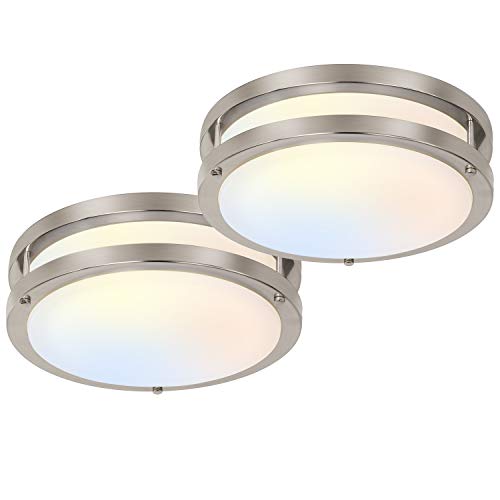
Sleek Modern Design: This contemporary flush mount ceiling light features a low-profile housing that sits neatly against the ceiling, ensuring smooth clearance for closet doors. Its durable metal frame comes in a brushed nickel finish, paired with a white plastic diffuser that evenly distributes bright, shadow-free illumination.

3CCT Selectable Color Temperature: Select your preferred color temperature via the toggle switch on the fixture before mounting. Three preset tones are available: 3000K Bright White, 4000K Cool White, and 5000K Daylight. This fixture requires hardwiring to a standard ceiling J-Box (sold separately). Once installed, it works only with a regular ON/OFF wall switch for basic on/off control. Recommended for flat ceilings with pre-installed junction boxes.
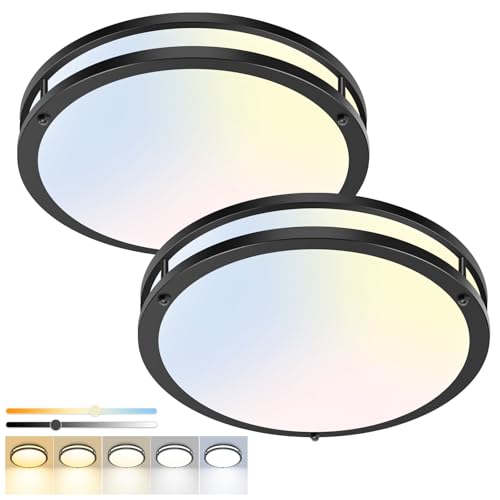
[Newly Upgraded - Ultra-Easy Installation] Unlike most led ceiling lights, our upgraded bedroom light fixture features an integrated design—no need to disassemble parts. What's more, no electrician assistance is required! Simply follow the included step-by-step installation guide, and you can finish the installation in just a few minutes, saving you from the hassle of installation
Accent Lighting
Accent lighting serves as a pivotal element in interior design, allowing homeowners and designers to emphasize focal points and create a visually engaging environment. This specialized lighting technique is designed to highlight specific objects, such as artwork or architectural features, using adjustable fixtures that focus light precisely where desired. It is essential that accent lighting provides at least three times the light level of surrounding ambient light to effectively draw attention. Common fixtures include track lights, wall-mounted sconces, and adjustable recessed lighting, which can be aimed for maximum effect. When selecting accent lighting, carefully consider the color temperature and beam spread, as these elements greatly influence the mood and overall visual impact of the illuminated space. Additionally, incorporating adjustable accent lights can enhance the ability to showcase various features within a room dynamically.
Recommended Products

Black 8 Light track lighting fixures ceiling with Long Size: The 55.3'' length allows this kitchen track lighting fixtures ceiling to cover a wide area, perfect for use in open areas such as living rooms, dining rooms or bar, meeting the lighting needs of most spaces; each head can be independently adjusted at an angle to ensure that the lighting needs of different locations, even in longer spaces, this black track lighting is able to focus the light source on a specific area as needed.

Neat Design: The track lighting is made of sturdy metal, with flexible arms and adjustable track heads, with smooth line structure and durability. Its modern and neat design can bring extremely comfortable lighting effects to your home

Industrial Design Track Lighting: This sleek ceiling track light features a stylish geometric cage shade made from premium metal. Perfect for farmhouse, vintage, and modern aesthetics, its open-wire design adds an elegant flair to any room.
Ballast
In the domain of fluorescent and high-intensity discharge (HID) lighting, the ballast plays an instrumental role in ensuring ideal performance and longevity of the lamps. A ballast regulates the electric current, providing the necessary initial voltage to start the lamp and maintaining a steady current to prevent burnout and flickering. There are two main types: magnetic ballast and electronic ballast, with the latter being more energy-efficient and enhancing luminous intensity. Selecting the proper ballast depends on the lamp wattage and specific lighting design requirements. Additionally, certain ballasts are also compatible with HID lamps, controlling voltage and current effectively. By understanding ballasts, consumers can make informed decisions regarding their lighting systems, optimizing both functionality and energy efficiency. Moreover, energy-efficient designs in modern lighting solutions allow for significant cost savings over time.
Color Rendering Index (CRI)
Color accuracy plays an essential role in creating visually appealing environments, particularly in spaces where aesthetics and functionality intersect. The Color Rendering Index (CRI) measures a light source’s ability to reveal colors accurately compared to natural light, which serves as the benchmark with a CRI of 100. Environmentally, a CRI value of 90 or above is excellent for areas like art studios and retail spaces, enhancing both visual comfort and productivity. Conversely, light sources with a CRI below 80 may distort colors, leading to an unappealing appearance. When considering lighting design, selecting high-CRI artificial light sources is a must-have decision for ensuring that colors are true to life, optimizing the overall atmosphere and effectiveness in various settings. Moreover, evaluating the energy efficiency ratings of lighting options can further impact both environmental sustainability and cost savings.
Energy Star
Energy efficiency has become an essential focus in residential lighting, and the ENERGY STAR program plays a pivotal role in promoting this initiative. This program, created by the U.S. Environmental Protection Agency, encourages the use of energy-efficient light bulbs and lighting fixtures that meet strict energy efficiency guidelines. Products with the ENERGY STAR label utilize advanced technologies for peak energy management, often saving homeowners 20-30% on energy costs. To qualify, lighting products must undergo rigorous testing to guarantee they maintain high brightness and color quality while reducing greenhouse gas emissions. By choosing ENERGY STAR certified products, consumers contribute to a sustainable environment and help prevent emissions equivalent to over 25 million vehicles, making these items a must-have for eco-conscious homes. Moreover, these bulbs, such as LED options, offer significant energy savings and a long lifespan, enhancing their value in residential lighting.
Recommended Products

EASY TO INSTALL: These Low Profile Surface Mount lights can be installed into any 5 or 6 inch Recessed Can, or any 2.75, 3.5, or 4 inch Junction Box. Accessories for both installation options are provided with each purchase. Wet-location rated, ideal for under soffit and bathroom installations. With 1050lm, 120V, 120 degree beam angle, and a long lifespan, our lights are designed to keep your home well-lit and keep you satisfied.

✅ HIGH-QUALITY SLIM DESIGN - ASD white LED disk light 6 inch has an iron housing and acrylic lens with a 105° beam angle, which grants you even light distribution. CRI90+ rating provides rich and natural colors and keeps your space looking and feeling vibrant. This flush mount light has an instant start, no flickering or humming. Seamless triac dimming from 10% to 100%. The compatible dimmer list is in the product description

EASY TO INSTALL: These Low Profile Surface Mount lights can be installed into any 5 or 6 inch Recessed Can, or any 2.75, 3.5, or 4 inch Junction Box. Accessories for both installation options are provided with each purchase. Wet-location rated, ideal for under soffit and bathroom installations. With 1050lm, 120V, 120 degree beam angle, and a long lifespan, our lights are designed to keep your home well-lit and keep you satisfied.
Lumens
Understanding lumens is essential for anyone interested in residential lighting, especially as consumers increasingly seek energy-efficient solutions. Lumens measure the amount of light emitted by a light source, allowing individuals to evaluate brightness levels in various lighting products. For instance, a typical 60-watt incandescent bulb produces around 800 lumens. Ambient lighting in a living room typically requires 300 to 800 lumens, while task lighting in kitchens demands between 1,000 to 4,000 lumens for ideal visibility. Energy-efficient options, such as LED bulbs, offer comparable brightness with considerably lower watts due to superior lumen output. Evaluating lumens against watts also indicates lighting efficiency, as modern designs yield more lumens per watt than their traditional incandescent counterparts, making them a smart choice for consumers. The energy-efficient LED bulbs can save 75-85% on electricity costs, making them an appealing option for both brightness and budget considerations.
Frequently Asked Questions
What Are the 4 C’s of Lighting?
The 4 C’s of lighting are color temperature, consistency, clarity, and control. These elements influence light intensity, beam angle, fixture style, bulb types, dimming options, installation heights, lighting effects, energy efficiency, and overall room ambiance.
What Is the 5 7 Lighting Rule?
The 5-7 Lighting Rule revolutionizes spaces! By strategically placing light fixtures 5-7 feet apart, it transforms ambient, task, and accent lighting, ensuring ideal lighting design with appropriate color temperature, light intensity, and energy efficiency for any room.
What Is the 3 Lighting Rule?
The 3 Lighting Rule involves integrating ambient lighting, task lighting, and accent lighting using appropriate lighting fixtures and light bulbs. Incorporating dimmer switches, considering color temperature, and applying energy efficiency enhances overall lighting design and installation effectiveness.
What Are the Basics of Lighting?
The basics of lighting involve ambient, task, and accent lighting, enhancing spaces with natural light. Key elements include color temperature, fixture types, bulb lumens, energy efficiency, lighting controls, and design principles for ideal illumination.