As an Amazon Associate, we earn from qualifying purchases. Some links on this site are affiliate links at no extra cost to you. Our recommendations are based on thorough research and editorial judgment.

Bathroom Lighting: Vanity, Shower, and Safety Best Practices

Effective bathroom lighting combines safety and style, focusing on distinct zones. In vanity areas, use wall sconces at eye level to minimize shadows, while shower lighting must meet IP44 ratings for water exposure. Layer ambient, task, and accent lighting for functionality and aesthetic appeal. Choose energy-efficient LED or high-CRI bulbs for clear visibility. Guarantee compliance with safety regulations, including GFCI installations. Understanding these principles can transform a bathroom space into a functional, safe, and inviting environment. Further insights await.
Key Takeaways
- Use IP67-rated fixtures for Zone 0 (inside bath/shower) and IP44-rated fixtures for Zones 1 and 2 to ensure safety.
- Position vanity lighting at eye level with decorative sconces to minimize shadows while grooming.
- Incorporate dimmable lighting options to adjust brightness for different activities and moods.
- Choose LED bulbs with high CRI ratings for natural color representation and energy efficiency in valve lighting.
- Ensure compliance with safety regulations and use Ground Fault Circuit Interrupters (GFCIs) to prevent electrical hazards.
Understanding Bathroom Lighting Zones
You may be interested



Understanding bathroom lighting zones is essential for anyone looking to create a safe and stylish environment. Bathrooms are divided into specific areas based on their proximity to water sources. Zone 0, located inside the bath or shower, requires fixtures with a minimum IP67 rating to guarantee waterproof safety. Zone 1 extends 2.25 meters above these fixtures, necessitating at least an IP44 rating. Zone 2 covers the space 60cm outside the bath or shower and up to 2.25 meters high, also needing IP44-rated fixtures to guard against water splashes. Outside Zones, less likely to encounter water, recommend a minimum of IP20 for fixtures. By adhering to these IP ratings, one can greatly reduce electrical hazards while enhancing both safety and aesthetic appeal. Additionally, selecting the right lighting, such as energy-efficient LED fixtures, can further improve safety and functionality in the bathroom.
Types of Bathroom Lighting
When renovating or designing a bathroom, choosing the right types of lighting plays an essential role in both functionality and aesthetics. Vanity lighting is vital for grooming and should include wall sconces or vertical mounts at eye level to reduce shadows. Shower lighting must adhere to safety standards, using fixtures rated IP44 or higher for bathroom zones exposed to water. Ambient lighting, like ceiling-mounted fixtures, provides an overall glow, while accent lighting highlights decorative features. Additionally, it’s important to select waterproof fixtures to guarantee safety. Incorporating dimmable options enhances flexibility, allowing users to create varying moods and adapt the lighting for different activities, ultimately improving the bathroom experience while adhering to safety standards. Furthermore, customizable lighting options allow for tailored illumination, ensuring that users can achieve the perfect ambiance for their space.
Choosing the Right Light Bulbs
Selecting the appropriate light bulbs greatly influences the overall lighting scheme in a bathroom, especially in spaces dedicated to grooming and personal care. When choosing the right light bulbs, consider halogen bulbs for their crisp white light and superior color rendering, perfect for vanity lights and accurate skin tone depiction. LED bulbs are a surging trend, offering energy efficiency and options with high Color Rendering Index ratings, ideal for natural color representation. Additionally, opt for dimmable light bulbs to provide adjustable brightness, enhancing versatility for different tasks and moods. For effective task lighting, position vertical lighting fixtures or sconces at eye level to minimize shadows under the eyes, ensuring even illumination across the face for makeup application and grooming. Choosing bulbs with a high CRI95 rating can significantly improve color accuracy and visual comfort, making them an excellent choice for personal grooming areas.
Layering Lighting for Functionality
Effective bathroom lighting strategy begins with layering, which encompasses combining ambient, task, and accent lighting to achieve a balanced and functional illumination scheme. Ambient lighting serves as the primary light source, providing effective overall illumination with fixtures that deliver 70-80 lumens per square foot. Task lighting is essential around vanity areas and should be installed at eye level to reduce shadows during grooming tasks. Accent lighting can enhance the visual appeal by highlighting architectural features while complying with safety standards. To further enhance functionality, consider incorporating dimmer switches for adjustable brightness, allowing users to switch from bright morning preparations to softer evening relaxation. This thoughtful layering lighting approach creates a well-lit bathroom tailored to various needs, effectively utilizing dimmable lighting options to enhance user experience and comfort.
Recommended Products
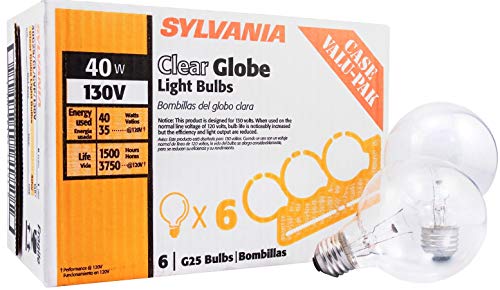
PERFECT FIT FOR VANITY FIXTURES: These 40 Watt vanity light bulbs and round light bulbs fit bathroom vanity mirrors, pendant fixtures, ceiling fixtures, and decorative G25 globe light bulbs with a standard E26 medium base.
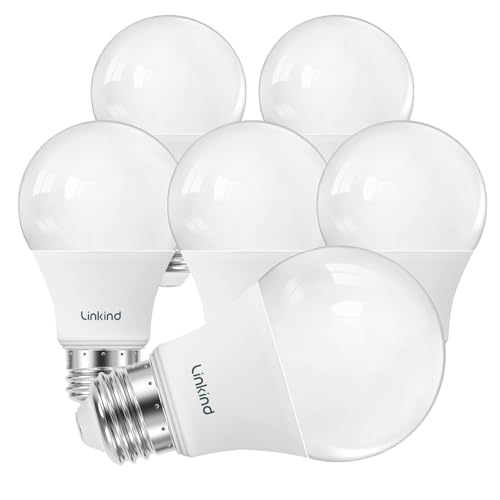
✔ 2700K WARM YELLOWISH LIGHT: The A19 dimmable LED light bulbs give off 800 lumens of 2700k cozy color light. Easy installation with the standard medium screw base E26. NOTE: Please confirm the Kelvin (K) value. This is the most accurate way to select your desired light color. This bulb is 2700K light, which produces a WARM YELLOWISH light. It is not a Bright White or Daylight White bulb. If you prefer a whiter light, please consider our 4000k Cool White or 5000K Daylight options.
Importance of Overhead Lighting
Recognizing the essential role of overhead lighting in a bathroom’s design is important for creating an inviting and functional space. Overhead lighting, particularly ceiling lights, establishes an even distribution of illumination, guaranteeing all areas are adequately lit for grooming and bathing tasks. To achieve balanced ambient lighting, the recommended lumen output is between 70-80 lumens per square foot within the bathroom space. Employing a decorative fixture, such as a chandelier or pendant light, enhances aesthetic appeal while providing necessary functionality when properly installed. It is essential to maintain a minimum ceiling clearance of 8 feet above the bathtub to comply with safety standards. Additionally, incorporating dimmer switches allows users to adjust brightness levels, making tailored lighting solutions suitable for both daily routines and relaxation. Choosing fixtures made from durable materials ensures longevity and safety in a humid environment.
Safety Considerations for Bathroom Fixtures
Ensuring safety in bathroom lighting installations is essential, given the unique challenges posed by moisture and humidity. All bathroom fixtures must comply with safety regulations, especially in areas like Zone 0 and Zone 1, where proper ratings are vital. Fixtures in these zones must be low voltage, with Zone 0 requiring a maximum voltage of 12V and an IP67 rating, while Zone 1 needs at least an IP44 rating for splash resistance. In moisture-rich Zone 2, using wet-rated fixtures with a minimum IP44 rating protects against splashes. Moreover, all electrical circuits should feature Ground Fault Circuit Interrupters (GFCIs) to prevent electrical shocks. Consulting a licensed electrician is indispensable for ensuring compliance with electrical codes and industry safety standards during installations. Additionally, choosing energy-efficient LED options can improve light output while minimizing electricity costs.
Recommended Products

【PREMIUM QUALITY & LONG LIFE】 Square surface mount ceiling light led lampshade is made of ABS+PC, long-lasting enough to avoid from damage, quality and well made, lasts over 30,000 hours, reduce lights replacing frequency. This LED flush mount ceiling light has passed LVD / EMC / CE / ROHS certifications

【High Brightness Shower Light】: The flush mount ceiling light is made of high-quality LED chips, with a color temperature of 7200k, providing a high brightness of 2800 lumens.

【Ultra-Long Battery Life & Fast Charging】 Built-in 7000mAh rechargeable battery lasts 12-80 hours in always-on mode and up to 90 days in motion sensor mode (based on brightness and frequency of use). Fully charges in just 3 hours.
Creative Solutions for Small Bathrooms
In small bathrooms, creative lighting solutions can considerably enhance both functionality and aesthetics, making the space feel larger and more inviting. Wall-mounted sconces at eye level effectively replace bulky overhead fixtures, providing proper illumination around mirrors while saving valuable space. Recessed lighting creates sleek ambient illumination, contributing to an open and airy atmosphere. Additionally, LED strip lighting under floating vanities offers a stylish soft glow, adding visual interest without occupying floor space. Incorporating large or backlit mirrors enhances spatial perception, making grooming tasks more efficient by amplifying light. Utilizing mirrors and reflective surfaces can multiply brightness, ensuring a well-lit environment while maintaining a sophisticated design, all essential creative solutions for maximizing small bathrooms. The anti-fog features of modern LED mirrors further enhance practical usability by ensuring clarity post-shower.
Recommended Products

3CCT Selectable Color Temperature: Select your preferred color temperature via the toggle switch on the fixture before mounting. Three preset tones are available: 3000K Bright White, 4000K Cool White, and 5000K Daylight. This fixture requires hardwiring to a standard ceiling J-Box (sold separately). Once installed, it works only with a regular ON/OFF wall switch for basic on/off control. Recommended for flat ceilings with pre-installed junction boxes.

【Flush Mount Design & Farmhouse Style】Black ceiling light features durable metal base and clear glass shade. Frameless design makes the ceiling light fixture extremely aesthetic, and the glass shade ensures 360° wide-angle lighting for a beautiful and neat light projection. An optimal choice for flush mount ceiling light for farmhouse.

Modern Glass Semi flush mount ceiling light
Common Mistakes to Avoid in Bathroom Lighting
Effective bathroom lighting often requires a careful approach to avoid common mistakes that can dampen both function and aesthetics. One frequent error is using harsh color temperatures; opting for warm white light (2000K-3000K) creates an inviting atmosphere. Moreover, incorrect positioning of vanity lights, such as failing to install sconces at eye level, can cast unflattering shadows. Shower areas also require careful consideration, as insufficient lighting compromises safety. Relying solely on overhead fixtures without integrating task and accent lighting can lead to a dim environment. In addition, it is essential to follow IP rating guidelines; fixtures installed in wet zones must have at least an IP44 rating, ensuring safety and preventing electrical hazards. Correct implementation enhances the overall lighting design effectively. Also, selecting fixtures with energy-efficient technology can significantly reduce electricity bills while maintaining optimal brightness.
Frequently Asked Questions
What Are the Rules for Vanity Lighting?
In an era reminiscent of vintage salons, vanity lighting rules dictate fixture heights around 65-70 inches, warm color temperatures, energy-efficient bulbs, dimming options, and wall-mounted designs, emphasizing safe, flattering light for reflection-focused grooming tasks.
What Is the Rule of Thumb for Vanity Lights?
The rule of thumb for vanity lights includes maintaining a mounting height of 65 to 70 inches, selecting energy-efficient bulbs with appropriate brightness, considering dimmable options, and ensuring aesthetic appeal in various fixture types and color temperatures.
What Is the Recommended Practice Lighting Layout for a Bathroom Vanity?
In a painter’s studio, ideal lighting transforms creation. For bathroom vanities, wall-mounted fixtures at eye level provide task lighting, while dimmable bulbs at 2700K-3000K establish an ambient glow, ensuring flattering reflections and energy efficiency.
What Are the Rules for Bathroom Lighting?
Bathroom lighting rules prioritize safety features, utilizing ambient, task, and accent lighting. Layered lighting, dimmer switches, and energy-efficient bulb types should consider ceiling height and appropriate light color for ideal functionality and aesthetics.