As an Amazon Associate, we earn from qualifying purchases. Some links on this site are affiliate links at no extra cost to you. Our recommendations are based on thorough research and editorial judgment.

Motion‑Activated Security Lighting: Coverage and Placement Tips

Motion-activated security lighting enhances safety through strategic placement and optimized coverage. To achieve effectiveness, position lights at heights between 6 to 10 feet, focusing on key areas like entry points, driveways, and dark spots. Select LED lights rated IP65 or higher for durability and adjust sensor sensitivity to reduce false triggers. Guarantee overlapping light coverage and avoid common pitfalls like obstructing sensors with large objects. For more insightful tips on maximizing home security, exploring further will provide valuable information.
Key Takeaways
- Identify and illuminate key entry points, driveways, and walkways to deter intruders and enhance visibility for visitors.
- Mount motion sensors 6 to 10 feet above ground for optimal detection and to reduce blind spots.
- Organize lights to provide overlapping coverage, eliminating dark corners and effectively illuminating vulnerable areas.
- Regularly maintain lights by cleaning lenses, checking bulb functionality, and adjusting sensor settings to minimize false triggers.
- Communicate with neighbors about your lighting plans to ensure compliance and foster cooperation on shared safety concerns.
Understanding Motion-Activated Security Lighting
Understanding motion-activated security lighting is vital for homeowners looking to enhance their property’s safety and security. These innovative security lights primarily utilize motion detection technology through passive infrared (PIR) sensors, which detect heat changes from warm objects. For maximum effectiveness, it is essential to install these lights at appropriate mounting heights of 6 to 10 feet, with adjustable sensor ranges to minimize false alarms. Proper lighting placement at entry points, driveways, and walkways not only improves visibility but also deters potential intruders. Furthermore, overlapping coverage areas eliminates dark corners and blind spots, ensuring thorough illumination. Selecting weatherproof fixtures and energy-efficient LEDs contributes to durability and cost savings, amplifying the overall effectiveness of motion-activated security lighting systems. Additionally, many energy-efficient options are available that can save homeowners a significant amount on electricity bills.
Assessing Your Property’s Lighting Needs
Evaluating the lighting needs of a property is a foundational step in implementing effective security measures. Homeowners should begin by reviewing the property’s layout, identifying key entry points, walkways, and shadowy areas that could compromise safety. Existing lighting conditions must also be examined, highlighting spots that are inadequately lit and may provide hiding places for potential intruders. Conducting an evaluation at night is vital, as it allows for a better understanding of visibility issues. Additionally, considering the size and geography of the property aids in determining the quantity and type of motion-activated security lights needed to detect movement. Finally, utilizing local crime statistics can help prioritize lighting in the most vulnerable zones, ensuring a well-secured environment. Incorporating motion sensors with adjustable sensitivity can further enhance the effectiveness of your security lighting system.
Recommended Products
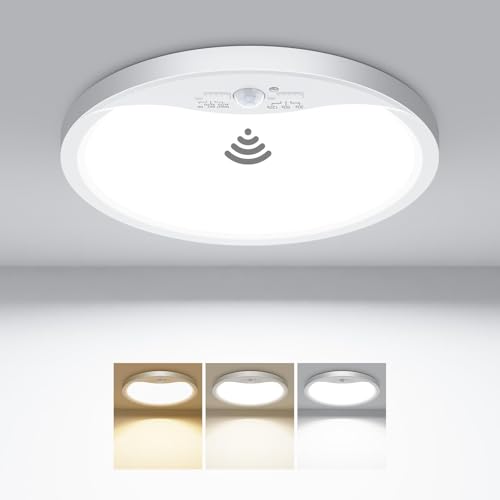
【PIR Motion Sensor Ceiling Light Wired】Built-in PIR motion sensor offers 120° wide-angle coverage and detects movement within 10-20ft to turn on instantly. With 30s/60s/120s delay-off settings, this motion activated ceiling light provides hands-free lighting for closets, hallways, stairs, and entryways, helping you move safely in the dark without reaching for a switch

【3 Mode for Seamless Outdoor Illumination】This versatile porch ceiling light is the perfect solution for illuminating your hallway, patio, corridors, entryways, courtyard, garage, basements and porches. With three distinct lighting modes - motion-sensor, always-on, and dusk to dawn - you can enjoy hands-free, energy-efficient lighting tailored to your needs.

Modern Design: Featuring an attractive matte black metal square casing with white textured glass panels, the flush mount will add a modern style, security and safety to front porch and patio areas.
Choosing the Right Motion Sensor Lights
When selecting the right motion sensor lights, homeowners should consider various sensor types, such as passive infrared (PIR), microwave, and dual-technology options, which work together to enhance detection accuracy while minimizing false alarms. LED motion sensor lights are a superior choice due to their energy efficiency, long lifespan, and lower electricity consumption compared to traditional halogen lights. It is essential to choose products rated IP65 or higher for weather resistance, ensuring durability for outdoor installation. Homeowners should also look for models with adjustable sensitivity and detection range settings to suit specific property needs, preventing unnecessary triggers from passing animals or vehicles. Ultimately, investing in quality motion sensor lights enhances overall security systems at home. Additionally, lights such as the Tuffenough Solar Outdoor Security Lights offer sustainable solar energy options that reduce electricity costs.
Recommended Products

ENERGY SAVING: LED units output 72W, 7500 Lumens, 5000K brightness(daylight white), equivalent to 720W incandescent bulb. Also save your electricity bill by up to 88%.

40W Brightness and Energy Saving: Powered by LED lamp bead as the security light source, enables it to produce up to 4000 lumens at low power of 40W; With optical designed filter lens, it provides better illumination

High-Efficiency Lighting: Onforu hardwired dual-head motion sensor outdoor lights deliver 3200LM brightness with 32W power and a 6500K cool white light, ensuring optimal illumination for your outdoor spaces.(No Solar, No Plug, No Camera)
Ideal Placement for Motion Sensors
Placing motion sensors in the right locations greatly enhances their effectiveness in securing a property. Ideal placement involves mounting sensors 6 to 10 feet above the ground, which provides a peak detection range while minimizing tampering. It is beneficial to position sensors in corners, as this maximizes their coverage and reduces blind spots in critical areas. Avoid obscuring sensors behind large furniture or near heat sources, as these can trigger false alarms or create blind spots. Additionally, installing sensors above doorways enhances security and keeps them out of sight from potential intruders. Finally, testing the detection area post-installation verifies that motion sensors work effectively, covering important zones without being affected by passing vehicles or pets. Implementing these strategies can lead to effective lighting solutions for various indoor spaces, improving overall security.
Recommended Products

𝐍𝐞𝐰 𝐕𝐞𝐫𝐬𝐢𝐨𝐧 𝐌𝐨𝐭𝐢𝐨𝐧 𝐒𝐞𝐧𝐬𝐨𝐫 𝐂𝐞𝐢𝐥𝐢𝐧𝐠 𝐋𝐢𝐠𝐡𝐭: Equipped with a 360 degree microwave sensor and light sensor. Our sensor light offers a wider detection angle, range and higher sensitivity. The light will automatically turn on when you move within a range of 3 to 20 feet from the light. (Recommend installing at least 1.5m away from the switch and Wi-Fi routers.) 𝐍𝐎𝐓𝐄: 𝐇𝐚𝐫𝐝𝐰𝐢𝐫𝐞𝐝 𝐂𝐞𝐢𝐥𝐢𝐧𝐠 𝐋𝐢𝐠𝐡𝐭, 𝐍𝐨𝐭 𝐁𝐚𝐭𝐭𝐞𝐫𝐲 𝐏𝐨𝐰𝐞𝐫𝐞𝐝

2 Installation Methods: Round flush mount ceiling light can be installed on the ceiling or a wall. The lighting looks like a moon or sunset, creates different moods. ( 𝐖𝐢𝐫𝐞𝐝 𝐦𝐨𝐭𝐢𝐨𝐧-𝐬𝐞𝐧𝐬𝐨𝐫 𝐥𝐢𝐠𝐡𝐭, 𝐧𝐨𝐭 𝐰𝐢𝐫𝐞𝐥𝐞𝐬𝐬)

PIR Sensor Wired Light - No Batteries, No Fumbling: Tired of dead batteries and groping for switches? The hardwired motion sensor ceiling light features a highly sensitive PIR motion sensor featuring a 120 detection angle and detection range of 3-6 metres (recommended installation height: 2-3 metres), it delivers automatic illumination. Hands-free lighting that follows your movements, ensuring effortless navigation
High Traffic Areas for Optimal Detection
High-traffic areas like entry points and pathways stand as critical zones for motion-activated security lighting, as they serve as primary targets for intruders. Installing detectors in these locations guarantees that even the slightest movement triggers illumination, providing immediate visibility and deterrence. Pathways and driveways not only enhance safety by illuminating potential hazards but also discourage unauthorized access after dark. When positioning lights, opting for corner placements increases the coverage area and minimizes blind spots, which intruders may seek to exploit. Aiming the sensors to cover a wide span in these busy zones further maximizes detection capability, ensuring that all movements are recognized and alarming responses can be initiated swiftly, thereby reinforcing the overall security of the property. Additionally, incorporating features like built-in human passive motion sensors can improve the efficiency of motion detection in high-traffic areas.
Importance of Sensor Height and Angle
For effective motion detection, the height and angle of security sensors play an essential role in maximizing their performance. Installing motion sensors at a height of 6 to 10 feet is recommended, as this range enhances detection range while reducing the risk of tampering. Proper sensor angle is equally important; angling sensors downward focuses on immediate movement, enhancing efficiency in critical areas. This strategic placement minimizes blind spots and prevents intruders from evading detection. Additionally, adjusting the sensor angle limits false triggers caused by cars or small animals, improving overall reliability. Finally, testing detection areas post-installation guarantees sensors are positioned correctly, confirming ideal functionality and thorough security coverage for any property. For optimal performance, consider lighting modes that can adapt to different situations, ensuring enhanced user convenience.
Key Areas to Illuminate for Safety
Properly illuminating key areas around a property is essential for enhancing safety and security. Brightly lit entry points, such as front and back doors, deter potential intruders while ensuring visibility of visitors. Pathways and walkways require illumination to prevent trips and falls, improving safety for residents traversing at night. Additionally, driveways and parking areas benefit from motion detectors, enhancing visibility and reducing vehicle break-in risks. It is imperative to eliminate dark spots by ensuring overlapping light coverage in corners and blind spots, which diminishes hiding spots for intruders. Finally, outdoor living areas like patios and decks become inviting spaces for evening gatherings when equipped with motion-activated lights, making them a must-have enhancement for any home. Incorporating energy-efficient lighting solutions such as motion sensor lights can further increase safety while lowering energy costs.
Recommended Products

Smart Motion Detection: This motion sensor outdoor ceiling light combining the advanced PIR motion sensor. the outdoor motion sensor light will auto light up your space with full brightness when motion detected at night and turns off after 120s with no motion detection. Save your energy and free your hands from the trouble of forgeting turn off the lights.
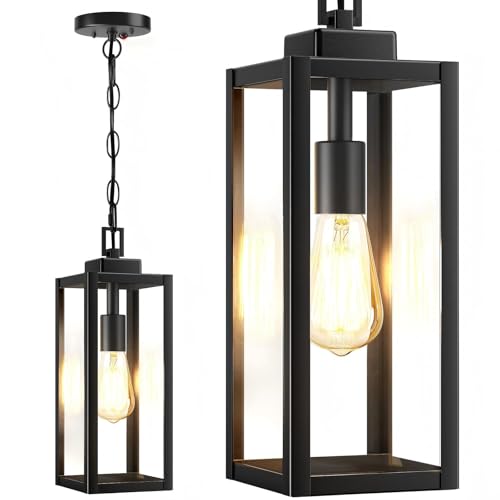
【Creative Motion Activated & Dusk to Dawn Sensor】Our outdoor pendant light offers 3 lighting modes: ① DIM MODE: Activates at dusk, our outdoor lights switch on at 15~50% brightness when no motion is detected, and brighten to 100% upon motion detection. ② ECO MODE: Lights up at 100% when motion is detected at dusk, exterior lighting fixtures turn off after about 5 seconds of no motion. ③ PC Mode(Dusk to Dawn Mode): Maintains 100% brightness throughout the night, our outdoor coach lights automatically turn off at dawn. (Please Note: We only support outdoor use)

❗❗❗【Upgraded Motion Sensor】This motion sensor outdoor ceiling light combining the advanced PIR motion sensor & IC light sensor. Featuring with dusk to dawn function, these motion sensor lights will auto turn on at dusk and off at dawn. Furthermore, with upgraded motion sensor, the outdoor motion sensor light will auto light up your space with full brightness when motion detected at night.
Avoiding Poor Placement Scenarios
Placement of motion-activated sensors greatly influences their effectiveness and reliability. It is essential to avoid positioning sensors behind large furniture, as this creates blind spots that can hinder detection capabilities. In addition, placing sensors near heat sources like heaters can lead to false alarms, triggered by unintended heat signatures. Non-climate-controlled spaces, such as attics or garages, should be avoided, as fluctuating temperatures may impair sensor performance. Moreover, sensors positioned at the top of stairs often trigger due to pets, resulting in unnecessary false alarms. Finally, placing sensors directly across from doors can limit the detection scope, impacting their ability to monitor movement effectively. By carefully selecting appropriate locations, users can greatly enhance their security lighting systems. Furthermore, ensuring that the sensors have a suitable detection range helps maximize their performance in various environments.
Enhancing Coverage by Overlapping Light Zones
Enhancing coverage through overlapping light zones greatly improves the effectiveness of motion-activated security lighting. By ensuring overlapping coverage, homeowners can eliminate dark corners and blind spots where intruders may hide. Each motion sensor light should be strategically placed to cover the area where the previous light’s coverage ends, creating a seamless band of illumination. Ideally, maintain a maximum distance of 20-30 feet between motion lights to effectively detect changes while avoiding gaps in coverage. High-traffic areas, such as walkways and entry points, benefit remarkably from overlapping light zones, which enhance security and deter potential intruders. Utilizing multiple motion sensor lights with overlapping detection zones can reduce the number of fixtures needed while maximizing overall safety and visibility around the property. For optimal performance, consider utilizing lights with motion sensors that automatically activate under low light conditions.
Regular Maintenance of Security Lighting
Effective security lighting requires ongoing attention and regular maintenance to maximize performance and reliability. Conducting maintenance checks at least biannually is essential to ascertain fixtures remain clean, functional, and free from obstructions that can impede movement detection. Cleaning lenses and sensors with a soft cloth is vital to prevent dirt buildup, which may lead to reduced effectiveness and false activations. It is also important to promptly inspect and replace any faulty bulbs, as dim or burned-out lights can compromise security. Regularly checking sensors alignment ensures they adequately cover targeted areas and do not miss potential intruders. Finally, reviewing the settings, including sensitivity adjustments, guarantees that motion-activated lights operate efficiently, minimizing unnecessary triggers from pets or passing vehicles. Additionally, consider using dimmable LED lighting to provide flexibility in brightness, enhancing both security and ambiance around your property.
Recommended Products

MOTION SENSOR CEILING LIGHT INDOOR: Built-in microwave motion and light sensor with 360 degree detection angle, our ceiling light fixtures automatically turn on when motion is detected within 5-20 feet, If no movement is detected, the light automatically turns off (Note: This sensor light is hardwired, AC120V, not battery-powered)

Ultra Thin and Low Profile: Black ceiling light's diameter: 8.7 inches; thickness: 0.99 inch. Suitable for low ceilings, attic, loft. The low profile means that in closets and hallways in particular, if one is hauling around a ladder or other tall item there is no risk of hitting the lamp and breaking it

5 Color Temperature Options – This outdoor ceiling light offers five popular light shades from 2700K to 5000K (2700K, 3000K, 3500K, 4000K, 5000K). Easily match the perfect atmosphere for your porch or entryway, from cozy warm white to energetic daylight
Community Considerations for Outdoor Lighting
When considering outdoor motion-activated security lighting, it is crucial to think about how such installations affect the larger community. Community considerations should include light spill, which can disturb neighbors and damage relationships. Adhering to local regulations regarding light intensity and design guarantees compliance, providing effective security without affecting surrounding properties. Positioning lights away from neighbors reduces privacy violations, minimizing potential legal issues related to glare and trespass. Effective communication with neighbors about planned lighting fosters cooperation and can resolve concerns regarding brightness or disruptions. Moreover, adjusting timers and motion sensors minimizes unnecessary disturbances, creating a balance between safety and community harmony. Overall, thoughtful planning and adherence to guidelines lead to a secure yet neighbor-friendly environment.
Frequently Asked Questions
Where to Place Motion Sensor Lights?
Motion sensor lights should be strategically placed at heights of 6 to 10 feet, focusing on entry points and building corners to maximize sensor range, while enhancing outdoor lighting for greater security and visibility in critical areas.
Where Should You Not Place a Motion Sensor?
Avoid placing motion sensors in areas where environmental distractions abound or sensor interference issues arise, like behind furniture, near heat sources, or in non-climate-controlled spaces. Also, consider placement height to prevent unnecessary false alarms.
What Is the Best Position for a Motion Sensor?
The best position for a motion sensor is six to eight feet high, ensuring ideal detection. For outdoor use, angle sensors downward, adjusting sensitivity to minimize interference, while indoor sensors can focus on corners for maximum coverage.
Where Should Security Lights Be Placed?
Where should security lights be placed for ideal safety? Security light types vary, but positioning them at key entry points with appropriate lighting intensity and sensor sensitivity guarantees extensive coverage and enhances overall property security.